Imago
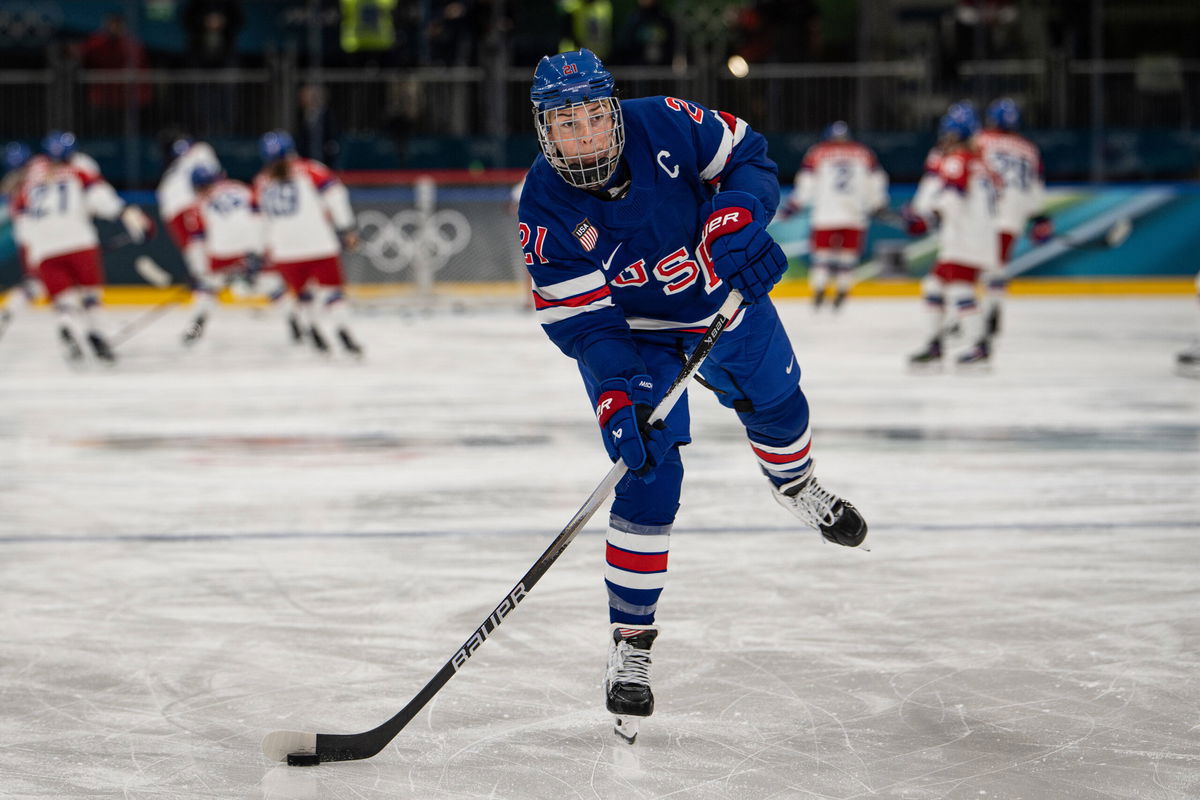
2026 Winter Olympics: Czechia vs USA Women s Hockey Hilary Knight 21 of the United States during pregame of a match against Czechia in the 2026 Winter Olympics, Thursday, February 5, 2026, at the Milano Rho Ice hockey, Eishockey Arena, in Milan, Italy. USA defeated Czechia 5-1 in the Preliminary Round. Jon Endow/Image of Milan Lombardy Italy EDITORIAL USE ONLY Copyright: xJonxEndowx JonxEndowx iosphotos395061
Imago
2026 Winter Olympics: Czechia vs USA Women s Hockey Hilary Knight 21 of the United States during pregame of a match against Czechia in the 2026 Winter Olympics, Thursday, February 5, 2026, at the Milano Rho Ice hockey, Eishockey Arena, in Milan, Italy. USA defeated Czechia 5-1 in the Preliminary Round. Jon Endow/Image of Milan Lombardy Italy EDITORIAL USE ONLY Copyright: xJonxEndowx JonxEndowx iosphotos395061
In the NHL, fans are used to seeing players get into fights. Usually, they just get a five-minute penalty and stay in the game. But the 2026 Winter Olympics in Italy are very different. The rules for international games are much stricter, as these games are run by a group called the IIHF. Fighting is seen as a major problem that can get a player kicked out of the tournament immediately.
The people who run the Olympics believe that fighting is not part of what hockey should be about. While the NHL uses fights to get the crowd excited, the Olympics focus only on being fast and having great skills. For the stars playing in the 2026 Games, this means they have to stay very calm. If they lose their temper and start a fight, they could be sent home, which would really hurt their team’s chance to win a medal.
What are the rules and penalties at the Winter Olympics?
The Olympic rulebook is very clear about fighting. If a player starts a fight or even just joins one, the punishment is very harsh. Unlike the NHL, where players usually go to a “penalty box” for a few minutes and then come back, Olympic players are almost always kicked out of the game right away. This is called a “game misconduct” penalty.
The rules also say that if a teammate jumps in to help a friend who is fighting, they will be kicked out too. The referee can also give a “major penalty,” which lasts for five minutes. During those five minutes, the team has to play with one less person, even if the other team scores many goals. If a fight is very bad, the player might even be banned from playing in future games.
Why is fighting not allowed in Olympic hockey?


The Olympic Games are all about being a good sport and playing fairly. The IIHF says that fighting is “not part of international hockey’s DNA.” This means they want the sport to be about how well people can play, not how well they can fight. They want to show the world that hockey is a safe and professional sport for everyone to watch.
Imago
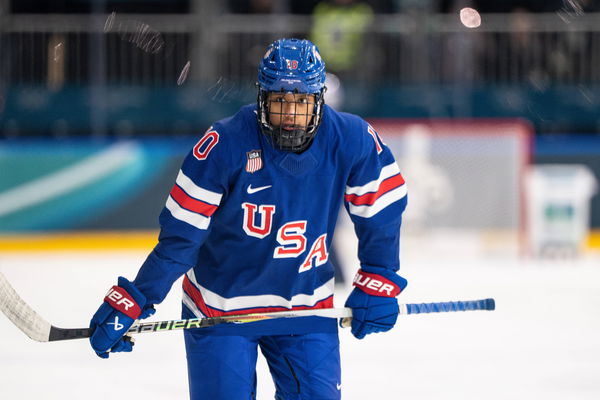
2026 Winter Olympics: Finland vs USA Women s Hockey Laila Edwards 10 of the United States during the 2026 Winter Olympics against Finland, Saturday, February 7, 2026, at the Milano Rho Ice hockey, Eishockey Arena, in Milan, Italy. USA defeated Finland 5-0 in the Preliminary Round. Jon Endow/Image of Milan Lombardy Italy EDITORIAL USE ONLY Copyright: xJonxEndowx JonxEndowx iosphotos395358
There is also a simple reason for the ban: every player is needed. Olympic teams are smaller than NHL teams, and they don’t have “enforcers” whose only job is to fight. Every person on the ice is a star player. If someone gets kicked out for fighting, the team loses a great player they can’t easily replace. Since the tournament is very short, one mistake, like a fight, can ruin the whole team’s dream of winning gold.
Do ice hockey players get fined for fighting?
In the NHL, players often have to pay thousands of dollars if they get into a fight. In the Olympics, it works a little differently. The Olympic Committee usually doesn’t take money from the players. Instead, the real “cost” is being suspended. If a player is banned from a game in the Olympics, that ban can follow them to other big tournaments later in the year.
However, the player’s own country might have its own rules and could fine them for acting badly. The biggest loss is usually the “medal bonus.” Most countries pay their athletes a lot of money if they win a gold or silver medal. If a player gets kicked out for fighting and their team loses because of it, they lose out on that prize money and the chance to be a hero in their home country.
How do penalties work at the Winter Olympics?
Penalties in the Olympics are made to keep the game moving fast. A “minor penalty” lasts for two minutes and ends if the other team scores. A “major penalty” lasts for five minutes and does not end even if the other team scores many goals. If a player is kicked out of the game, one of their teammates has to sit in the penalty box for the full five minutes.
The 2026 Games also use a “misconduct penalty.” This sends a player to the box for ten minutes, but a teammate can still take their place on the ice. This is used for things like being rude to the referee or trying to start an argument with the other team. The goal of all these rules is to make sure the game stays focused on the puck and the players’ skills, not on their anger.