
Argentina shipped half a ton of beef. Norway flew in salmon. Brazil built an ice cream machine. World Cup teams are redefining what it means to prepare. For the FIFA World Cup that comes every four years, teams plan meticulously. Those plans are not restricted to squad selection and on-field tactics. It included fitness regimens and players’ dietary plans, as seen with some teams at the 2026 FIFA World Cup. Most of them prefer having their own chefs who cater to players’ dietary plans in line with the coaching staff, while also ensuring that players get a taste of their home countries through the foods they choose.
Watch What’s Trending Now!
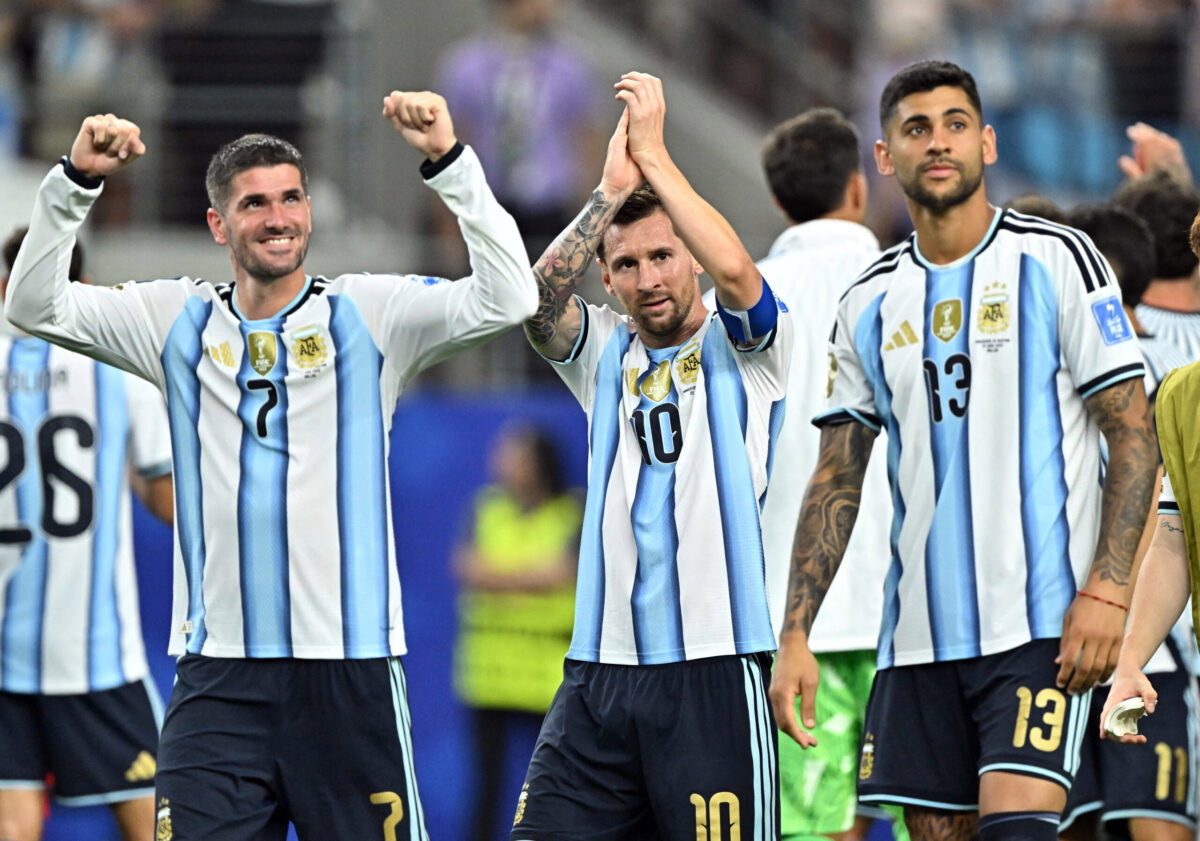
One country leading the charge in this matter is defending champions Argentina. The Albiceleste have brought in 500 kg ( 1,100 lbs approx.) of prime-quality beef from their country so players can have the kind of food they want. Transporting that much cargo across borders is no mean feat, but the team was determined to provide every support to its players so that they could have an excellent World Cup. The team was recently seen enjoying themselves while Chef Diego Iacovone had the grill on with large slabs of beef being prepared on it.
The teams taking food with them also have cultural significance, as barbecue-style cuisine, or Asado, is unique to Argentinian culture. Similarly, fish is a staple of the Norwegian diet. That is why Norway left nothing to chance, bringing in its own cache of food reportedly over 1000 kg (2,200 lbs approx.), that included 300 kg (660 lbs approx.) of salmon and white fish, along with 116 kg (256 lbs approx.) of Brunost, a type of cheese native to the Scandinavian nation. The team also brought in 6000 oranges, keeping in mind the US’s very different weather conditions, which are much milder than those in the lower-temperature zones back home. The three-chef team under Aarom Espeland works a tight shift, preparing four meals for 60 people throughout the World Cup.
While Argentina wants a slice of its home cuisine and Norway doesn’t want to risk local cuisine during an international tournament, especially in different climates, Brazil and England have approached their food regimens very differently. The Three Lions have a very practical menu before a match, with player recovery in focus, while street food like burgers is provided after the match. On the other hand, Brazil has gone for flavor, introducing a customized ice cream machine that helps players meet their nutritional needs.


🚨🇦🇷 Argentina are NOT playing around. They shipped HALF A TON of premium Argentine beef to their World Cup camp just to keep the asados going! This is how world champions eat! Writer: Claudio
Some teams like tradition. Australia’s barista has been a mainstay with the national team. Their barista up to 80 cups a day for the team in Qatar in 2022; they have brought one here in the USA this year as well.
Japan, on the other hand, has kept a standard menu of hamburger steak, miso-marinated grilled sablefish, and unagi eel, which is somewhat of a superstition as well, as chef Yoshiteru Nishi feels any variation from this fixed menu might bring bad results for the team.
The teams and their chefs will have to be at their top game in the next few weeks, as the knockout stages begin on June 28, and all the teams discussed above will feature. Defending champions Argentina have looked in fine form, courtesy of Lionel Messi, who has already scored six goals in the tournament. In contrast, the likes of Norway, who have reached the World Cup finals after a long time, will want their players in pristine condition before their match against the Ivory Coast.
All teams have their own motivations for winning the trophy, with Brazil hoping that some delicious ice cream brings them luck and takes them to a sixth title after 24 long years. They take on Japan, who will be determined to put their best foot forward and win their first knockout match after close losses to Belgium and Croatia in the last two editions.