
Accessibility – that is what FIFA was flexing before the 2026 World Cup. The tournament – held across the U.S., Canada, and Mexico – became the first sports tournament that gained KultureCity’s Sensory Inclusive recognition. FIFA added audio-descriptive commentary, sign language interpretation, and sensory Spaces to all 16 venues and all 104 matches to make this possible. While these efforts are commendable and deserve recognition, the injustice done to the majority is glaring.
Watch What’s Trending Now!
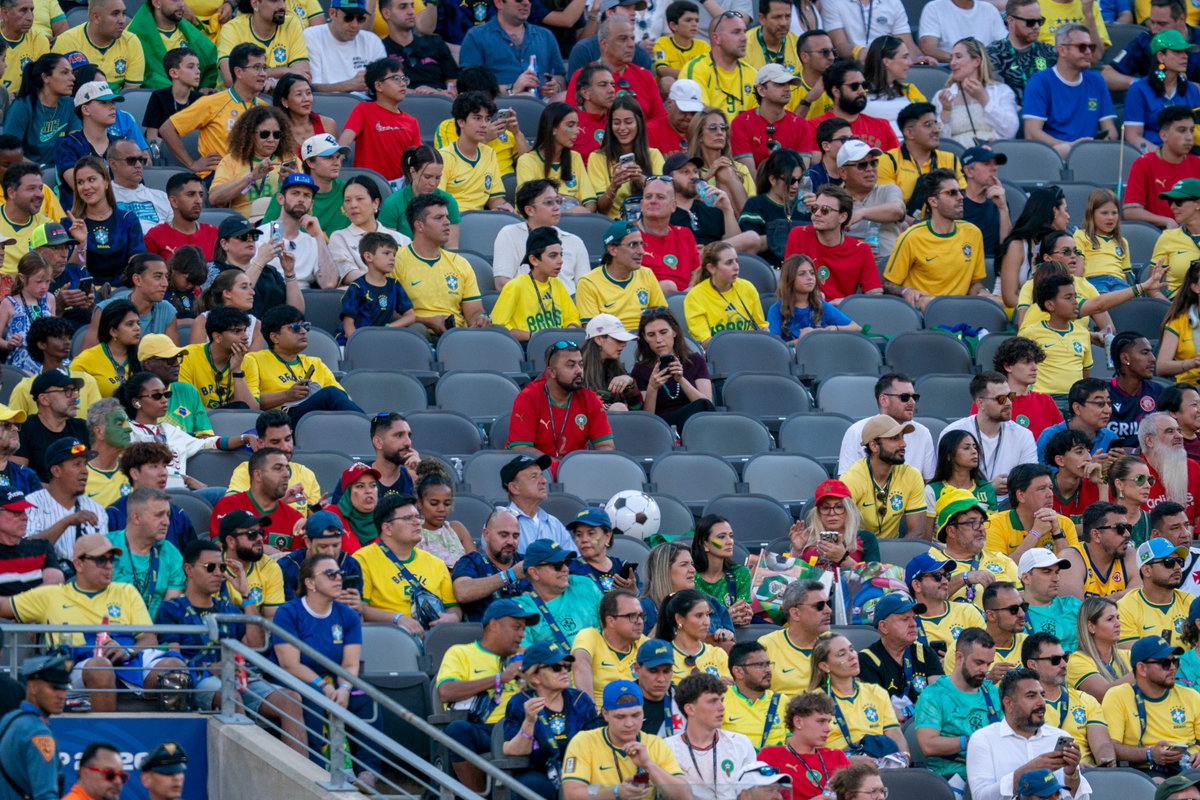
To the fan who wanted to buy tickets to the tournament and watch the match from the stands, the 2026 World Cup is a harrowing experience. The greatest show on Earth finally seemed within reach with FIFA’s lofty claims, but it all fell apart quickly, leaving fans with eight-hour online wait times, website crashes, and dynamic pricing that increased ticket prices to nearly $11,000. The sight of rows and rows of empty seats became one of the tournament’s most jarring images. FIFA claims to have sold more than six million tickets, but approximately 180,000 seats remained unsold in host cities before the tournament kicked off.
When FIFA chose the United States, Canada, and Mexico to host the 2026 World Cup, they made a promise. A seat in the final would cost no more than $1,550. This level of commitment gave the bid the appearance of a genuine invitation to the entire world. By April 2026, the cheapest standard final ticket cost $5,785.
The most expensive seats were sold for $10,990 and then tripled in the resale market. Politicians in New York and New Jersey have launched a formal investigation into allegations that FIFA misled fans and raised prices. In response, FIFA implemented a $60 supporter entry tier, which accounted for approximately 10% of each national association’s allocation, or a few hundred seats in stadiums with capacities of up to 80,000 people. It made no difference in terms of pricing except to provide a line for the press release.

FIFA can't sell enough World Cup tickets. They're too overpriced and the economy is trash in the USA rn.

The images from the first week told the story more effectively than any statement. The South Korea-Czech Republic match in Guadalajara was perhaps the starkest example, with visible stretches of empty seats in the 45,664-capacity Guadalajara Stadium.
FIFA had an explanation for it, too. They justified the announced attendance of 44,985, saying, “Official attendance figures reflect the number of tickets scanned and spectators present within the stadium footprint, rather than visual assessments of seating occupancy at any given moment during the match… Please note that, during last night’s match in Guadalajara, several ticketed fans could be seen standing in concourses rather than staying in their assigned seats throughout the match.”
In FIFA’s defense, yes, there were plenty of fans out of their seats and at the concourses. But Guadalajara was not an isolated case.
More than 1,000 seats remained unsold for Canada’s World Cup debut against Bosnia and Herzegovina at BMO Field, with the majority of Category 1 and 2 tickets priced between $1,645 and $2,240. Local fan Andrew Villareal summed up the experience of thousands: “I looked up the US games; it came in at like $2,700 for a single ticket. I’m not gonna do that.” He eventually found his way in after months of lotteries, digital queues, and a change of strategy.
The dynamic pricing model introduced for this tournament made things worse. Before 2026, World Cup ticket prices had remained relatively stable, after accounting for inflation. FIFA’s new pricing strategy shifted the entire structure upward.
Fans who entered the queue had no idea how much they would pay when they arrived at the checkout. Just days before kickoff, over 4,400 unsold seats for the USMNT opener against Paraguay were listed across official channels, with average prices still exceeding $800 despite significant discounts.
Fans react to the empty seats at FIFA World Cup 2026 stadiums
“Literally nobody in the USA gives a f*** about soccer,” one fan wrote on X. “High school football games have higher attendance than professional soccer games. It’s not because of the economy, but the tickets are definitely overpriced. Probably should be $12-15 per ticket, not $100+.”
The pricing counter-argument came quickly. “Knicks and Spurs sold out every game at record-high prices,” another fan shot back. “The US doesn’t care about soccer, especially when other countries are playing.”
A third fan, who appeared to be skeptical that seats were actually empty, held opposing views. “At least post a picture of an actual game when the game is being played,” he said, and many people appeared to agree, claiming that the images were mostly from an hour or so before the match, before fans filled the seats.
There were a few other fans who brought numbers to debunk the original claims. Screenshots of attendance records spoke a different story than the images of empty seats.
According to the Sports Business Journal’s records, all the matches played till June 15 had a minimum of 97% or higher attendance. Five games, including the opener, reported 100% attendance.
One fan posted a screenshot of these numbers and wrote, “Hope that helps to overcome stupidity.” Another said, “Weird…Almost every game is sold out despite the incredibly high prices. Nice snapshot from 2 hours before the game though.”
FIFA set prices that excluded casual fans, implemented a dynamic model that perplexed and deterred even motivated buyers, and is now hosting a tournament in a country where the sport lacks the cultural gravitas required to bridge that gap.
Attendance records might still be broken as the tournament is still being watched by billions around the world. However, when the cameras pan across empty rows in a 70,000-seat stadium, the story tells itself.