
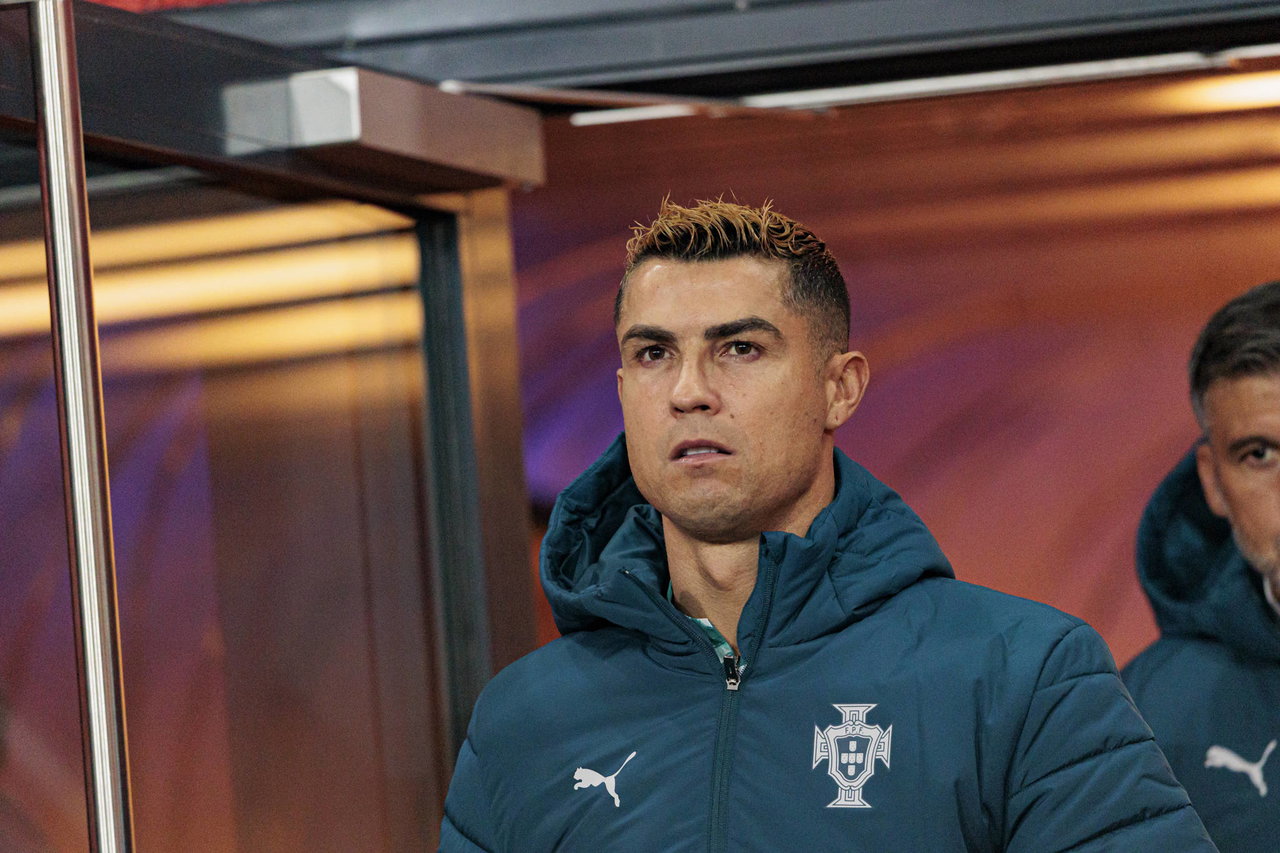
Cristiano Ronaldo’s dispute with Portugal coach Jorge Jesus has now spilled into the media, with the coach’s lawyer delivering a stinging assessment of the football icon before ending his association with a newspaper partly owned by the Al-Nassr star.
Watch What’s Trending Now!
“Cristiano Ronaldo, with his actions, his behaviors, and the obsession with certain metrics, is succeeding in doing what no opponent has ever managed: ruining our ability to remember all the good he has given us.”
“He is increasingly surrounded by people who tell him what he wants to hear and less and less by those who tell him what he needs to hear. It is the fate of the gods and the autocrats: they end up alone on Olympus, surrounded by mirrors.”
His departure was no ordinary farewell. Henrique explained that Ronaldo’s financial stake in Medialivre, the media group that owns the publication, made it inappropriate for him to continue writing while representing a coach caught in a dispute with the Portuguese captain.
Henrique stressed that no one had pressured him to leave. Instead, he said the decision came down to professional independence and the uncomfortable position he would occupy by continuing to receive payment from a company in which Ronaldo holds a stake.
“Cristiano Ronaldo is a major shareholder in Medialivre, the company that owns Record,” he wrote, explaining that the conflict between the forward and Jesus extended to him as the coach’s lawyer.
“There is no intellectual independence without financial independence. Those who express opinions about power cannot be subject to the very power they criticize,” Henrique added.
He also made it clear that he wanted to remove any suggestion that Ronaldo could influence his professional choices. “Freedom exercised only when it comes at no cost is merely a convenient option, and I have never written for convenience or easy gain,” he concluded.
Yet Henrique’s final column went beyond explaining his exit. His criticism of Ronaldo focused on the danger of allowing an extraordinary career to become overshadowed by an obsession with records and a reluctance to hear uncomfortable truths. For the lawyer, the issue was not what the 41-year-old had achieved, but how his recent actions might affect the way people remember those achievements.
The remarks arrive amid a turbulent period for Portugal. Ronaldo left the national team camp during the September international window after tensions surrounding his involvement in a match against Norway. The forward had reportedly expected to play after warming up but remained on the bench during Portugal’s 2-1 victory.
Ronaldo later met with Jesus and other members of the team setup before leaving the training facility. The coach later insisted that the door remained open for his captain, saying Ronaldo could return for the next international window if he wanted.
The player, however, offered his own account in a lengthy social media statement. He accused Jesus of breaking his word twice, including over the promised playing time against Norway and a disagreement concerning preparations for a press conference. Ronaldo also acknowledged that leaving camp was a mistake and apologized to his teammates while maintaining that the breakdown in trust had contributed to his decision.
Jesus declined to prolong the public argument when asked about the statement. He confirmed that he had read it but said he would continue focusing on his work with the national team.
The Portuguese Football Federation has also sought to calm the situation. President Pedro Proença indicated that the federation, coaching staff, and players want Ronaldo back, but disciplinary proceedings will continue through the appropriate process. A return during the November international window remains a possibility, but the dispute has raised questions about how the captain and coach will work together again.
The disagreement has also sparked wider debate in Portugal about the balance between Ronaldo’s status and the standards expected of every national team player. Critics have questioned whether his stature should afford him special treatment, while others have argued that the federation’s response helped turn a sporting disagreement into a public crisis.
Former players and commentators have criticized different sides of the dispute, with some questioning Cristiano Ronaldo’s decision to leave camp and others faulting the federation for failing to contain the situation early. The common concern is that the prolonged argument risks distracting from Portugal’s preparations and placing unnecessary pressure on the dressing room.
For Henrique, however, the issue reaches beyond one disagreement over selection. His final column challenged Ronaldo to consider the people around him and whether they offer honest advice rather than simply reinforcing his views.
Ronaldo’s achievements remain immense, and his desire to keep competing at the highest level has defined much of his career. But as the dispute with Jesus continues, his influence and leadership are facing renewed scrutiny.
Portugal still has a route toward reconciliation, and both the federation and Jesus have left the door open to Cristiano Ronaldo’s return. Whether that reunion can happen without further controversy remains uncertain. For now, the captain’s next chapter with the national team will depend not only on the disciplinary process but also on whether the sides can rebuild the trust that has been damaged.