
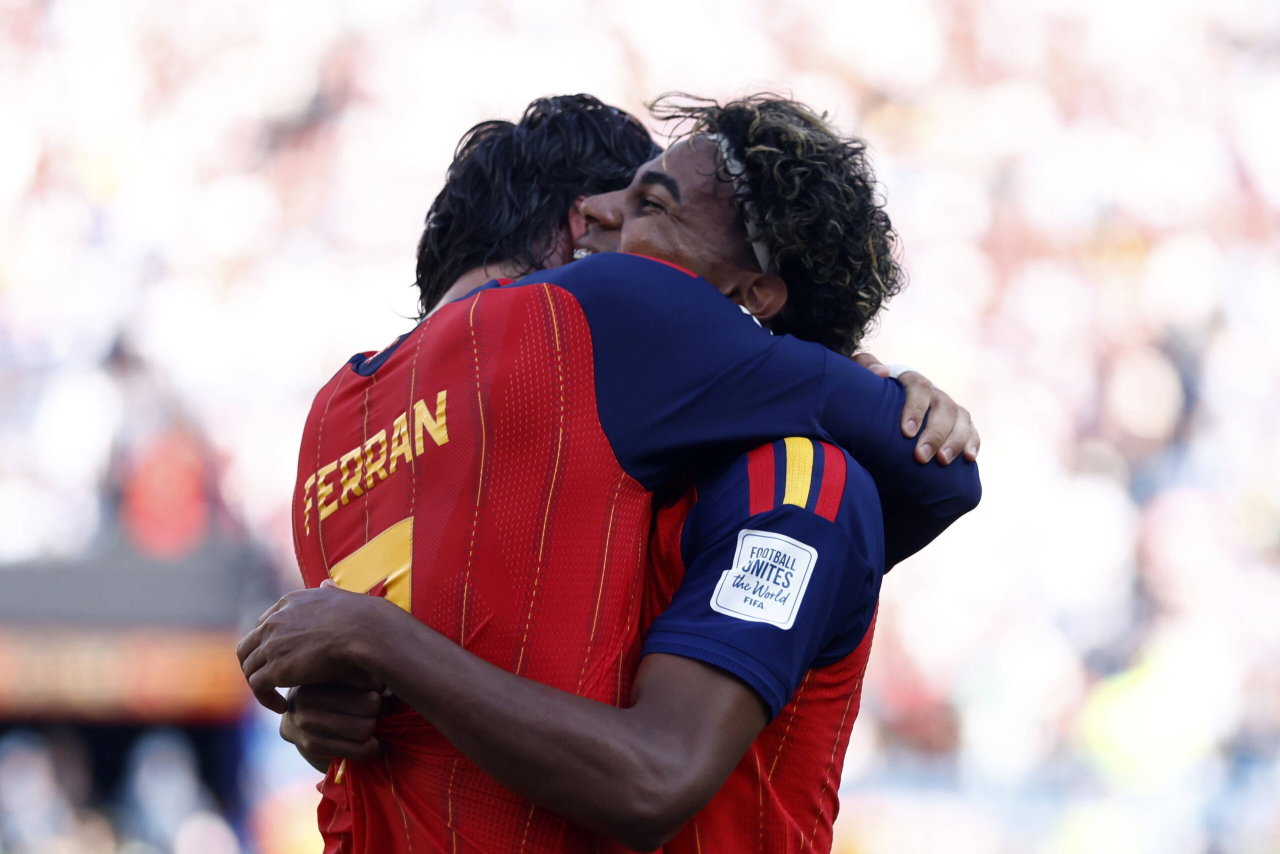
The dream run has ended for Lionel Messi‘s Argentina as Ferran Torres‘ late winner handed Spain their second FIFA World Cup title on Sunday at MetLife Stadium. Spain dismantled Argentina’s whole plan as they dominated the defending champions in every aspect of the game. Argentina, though, were able to take the game deep, but could not hold on to it. Here is how the game unfolded.
Watch What’s Trending Now!
Lineups: A Big Call From Scaloni
Luis de la Fuente made no changes to the Spain side that beat France in the semifinal, sticking with the same XI: Simon; Porro, Cubarsi, Laporte, Cucurella; Ruiz, Rodri; Yamal, Olmo, Baena; Oyarzabal.
Meantime, Lionel Scaloni went a different direction, making three changes to the team that saw off England. Gonzalo Montiel, Rodrigo De Paul and Nicolas Gonzalez all came into the XI. The bigger story was who didn’t start. Leandro Paredes, Argentina’s holding midfielder, was left out of the starting lineup entirely, a call that pushed Alexis Mac Allister, Enzo Fernandez and De Paul all into central positions without a true specialist shielding the back four.
Argentina lined up in a 4-4-2: E. Martinez; Montiel, Romero, Li. Martinez, Tagliafico; De Paul, Fernandez, Mac Allister, Gonzalez; Messi, Alvarez.
A Show Before a Ball Was Kicked
Imago
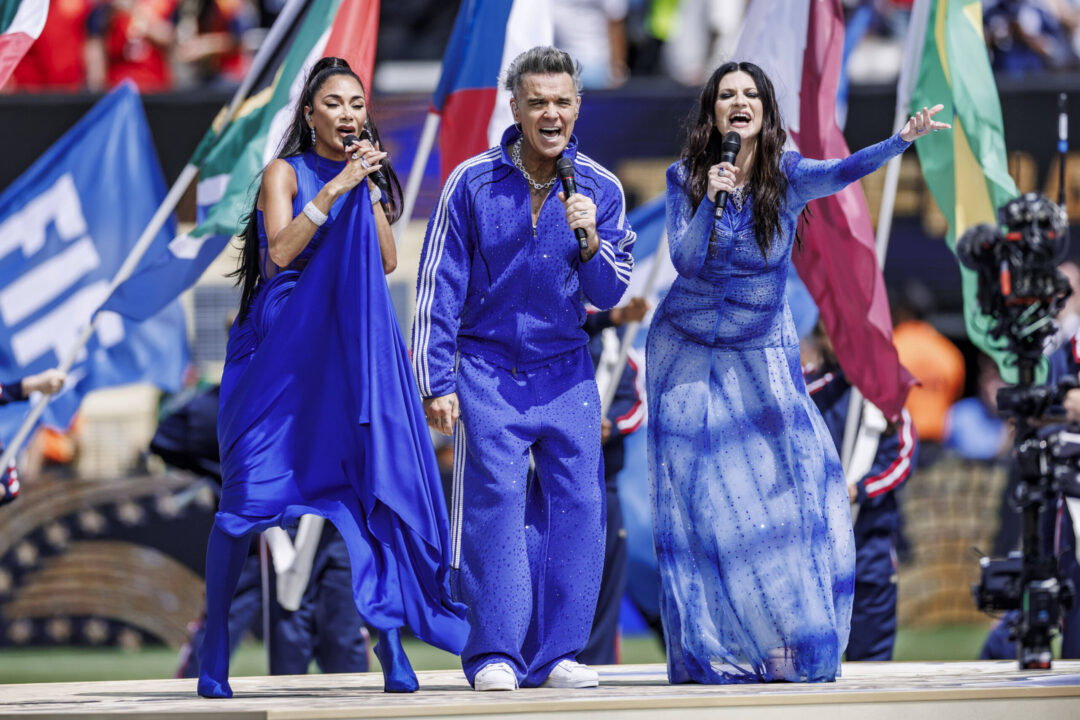
Spain vs Argentina – FIFA World Cup, WM, Weltmeisterschaft, Fussball 2026 – 19/07/2026 Nicole Scherzinger L, Robbie Williams and Laura Pausini R before the FIFA World Cup 2026 final match between Spain and Argentina at New York New Jersey Stadium on July 19, 2026 in East Rutherford, New Jersey, United States East Rutherford United States Copyright: xPGSxPhotoxAgencyx
Kickoff didn’t arrive on schedule. The match started six minutes later than advertised, after a pregame spectacle that ran well past its planned window. FIFA’s closing ceremony began 90 minutes before the match, headlined by Post Malone and featuring Laura Pausini, Nicole Scherzinger, Robbie Williams, Swae Lee and IShowSpeed, before the World Cup trophy itself was carried into the stadium by tennis star Carlos Alcaraz and actress Jung Ho-yeon.
Tom Cruise took the microphone for an extended, largely inaudible address to the crowd promoting his new film, before Tom Holland added his own dramatic monologue on top of it.
By the time both teams finally made their way out of the tunnel, the ceremony had eaten well into the pregame schedule, and Argentina got the actual football started six minutes behind plan.
A Cagey First Half
Imago
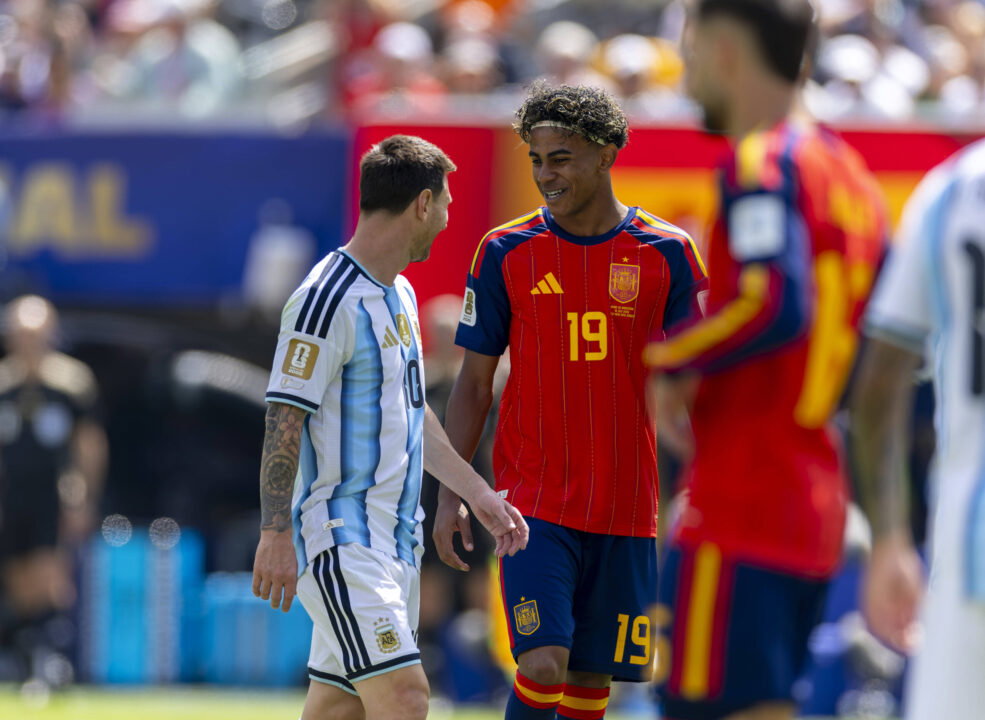
19.07.2026, Fussball Weltmeisterschaft 2026 in den USA, Finale, Spanien – Argentinien, im MetLife Stadium New York/New Jersey East Rutherford, Ikonisches Aufeinandertreffen, v.li: Lionel Messi Argentinien mit Lamine Yamal Spanien ***FIFA regulations prohibit any use of photographs as image sequences and/or quasi-video. EDITORIAL USE ONLY*** *** July 19, 2026, 2026 FIFA World Cup in the U.S., Final, Spain vs. Argentina, at MetLife Stadium in East Rutherford, New Jersey, near New York, Iconic matchup: from left, Lionel Messi Argentina and Lamine Yamal Spain ***FIFA regulations prohibit any use of photographs as image sequences and/or quasi-video. EDITORIAL USE ONLY***
Spain controlled the ball from the opening whistle, racking up as much as 66 percent possession in the early stages, but their dominance rarely translated into danger.
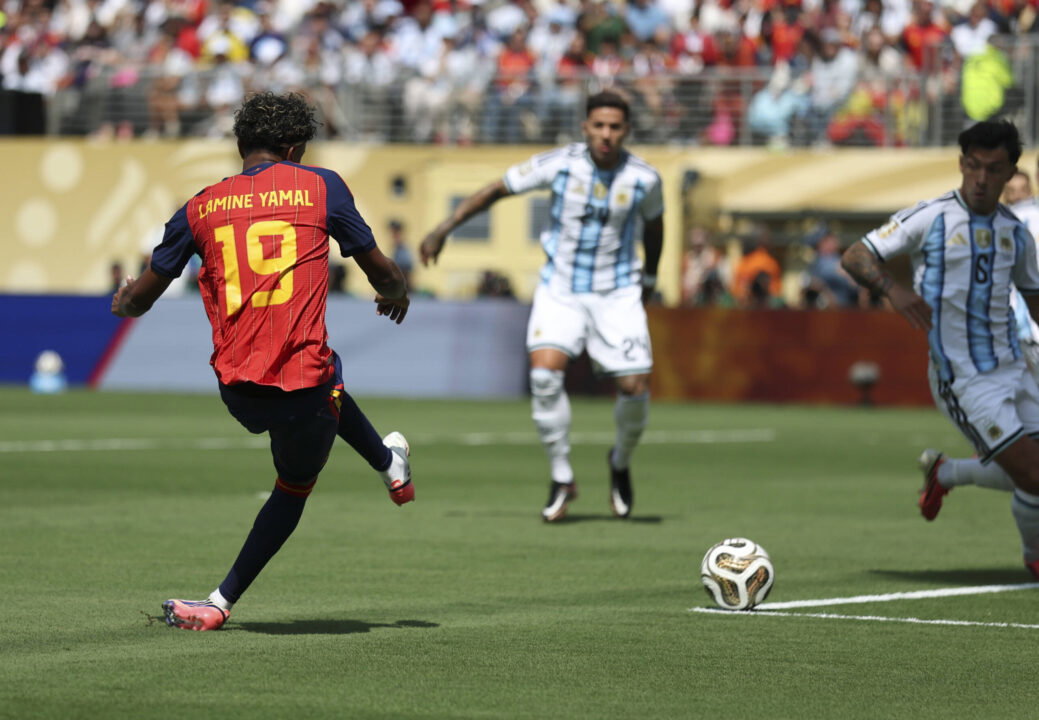
Lamine Yamal had the game’s first real look inside five minutes, only for Emiliano Martinez to get down quickly and smother the chance. Argentina, by contrast, barely threatened at all; their only meaningful moment came on a counter that saw Messi nearly in behind before Unai Simon raced out to defuse it.
Imago
260720 — NEW JERSEY, July 20, 2026 — Lamine Yamal L of Spain shoots during the final match between Spain and Argentina at the 2026 FIFA World Cup, WM, Weltmeisterschaft, Fussball at the New York New Jersey Stadium, the United States, July 19, 2026. SPU.S.-NEW JERSEY-FOOTBALL-FIFA WORLD CUP-FINAL-ESP VS ARG LixMing PUBLICATIONxNOTxINxCHN
The half’s biggest moment wasn’t a chance but an injury. Lisandro Martinez, already booked for a first-half foul on Mikel Oyarzabal, was forced off just before the break, with Nicolas Otamendi coming on in his place.
Argentina went into the locker room having failed to register a single shot on goal, the furthest into a World Cup match since 1966.
An Unprecedented Break, Then More of the Same
Imago
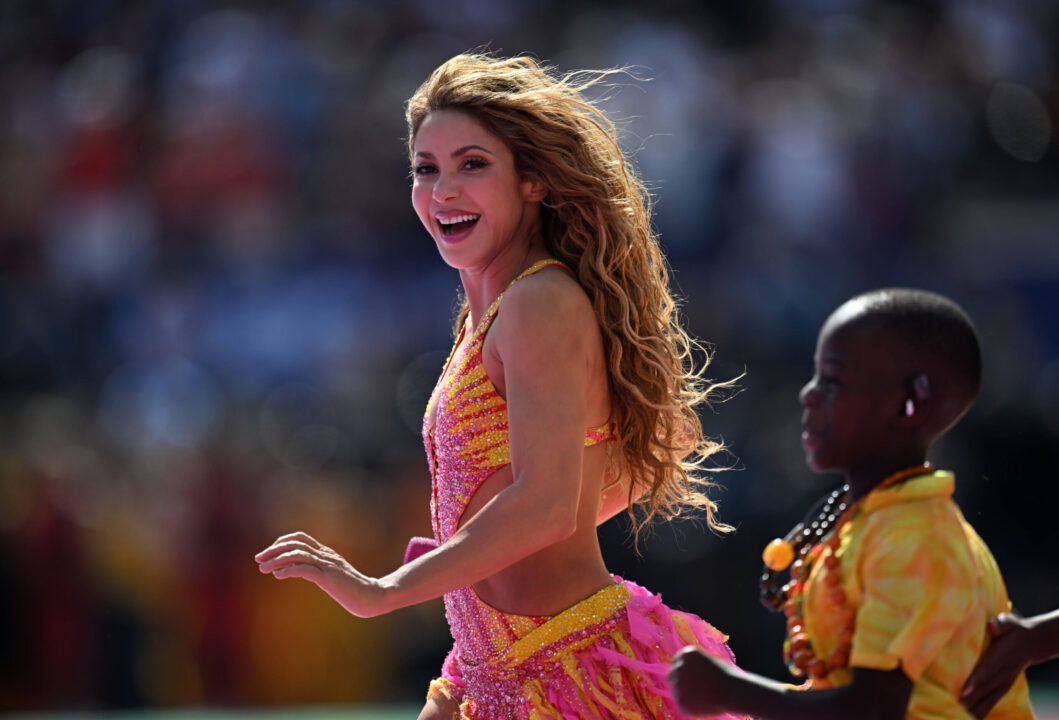
260720 — NEW JERSEY, July 20, 2026 — Singer Shakira performs during the halftime show of the final match between Spain and Argentina at the 2026 FIFA World Cup at the New York New Jersey Stadium, the United States, July 19, 2026. SPU.S.-NEW JERSEY-FOOTBALL-FIFA WORLD CUP-FINAL-ESP VS ARG WuxXiaoling PUBLICATIONxNOTxINxCHN
The interval turned into a production of its own. FIFA staged its first Super Bowl-style halftime show at a World Cup final, featuring Madonna, Shakira, BTS and Justin Bieber, stretching the usual 15-minute break out toward 30 minutes. Whether it helped either side regroup was hard to say once the second half began, because the pattern from the first 45 minutes mostly continued.
Imago
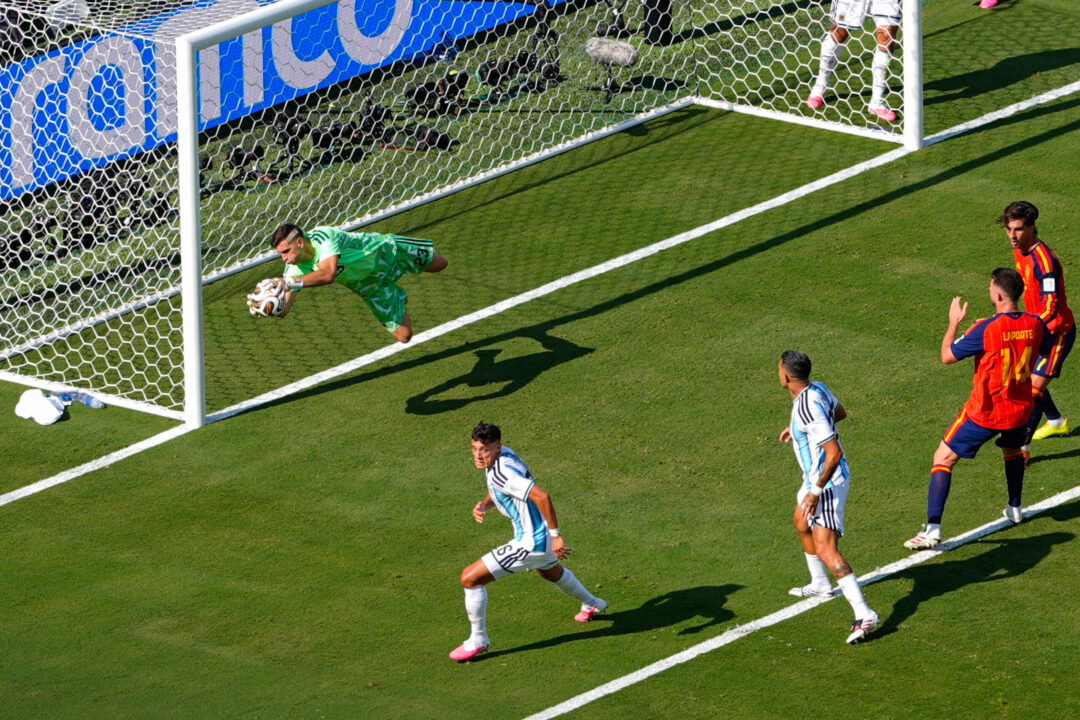
Emiliano Martinez Argentina, 23 hält den Ball FIFA World Cup, WM, Weltmeisterschaft, Fussball 2026 Final: Spanien v Argentinien 19 July 2026, FIFA World Cup 2026 Finale: Spanien v Argentinien Final at New York New Jersey Stadium in East Rutherford, New Jersey, USA. Photo: Marco Bader *** Emiliano Martinez of Argentina, 23, saves the ball during the 2026 FIFA World Cup Final between Spain and Argentina on July 19, 2026, at New York New Jersey Stadium in East Rutherford, New Jersey, USA. Photo by Marco Bader Copyright: HMBxMedia/xMarcoxBader
Spain kept generating half-chances without finishing them. Pedro Porro forced a smart save out of Emiliano Martinez, then Pau Cubarsi tested him again from distance. Oyarzabal, a player with a habit of scoring in major finals, including the Euro 2024 decider, couldn’t quite convert his sight of goal either.
Argentina’s night worsened when Cristian Romero also went off injured, forcing Nicolas Tagliafico into a fullback role he’d have to hold for the rest of the match, and sending Argentina through all five of their permitted substitutions in the process.
Red Card Chaos in Stoppage Time
Imago
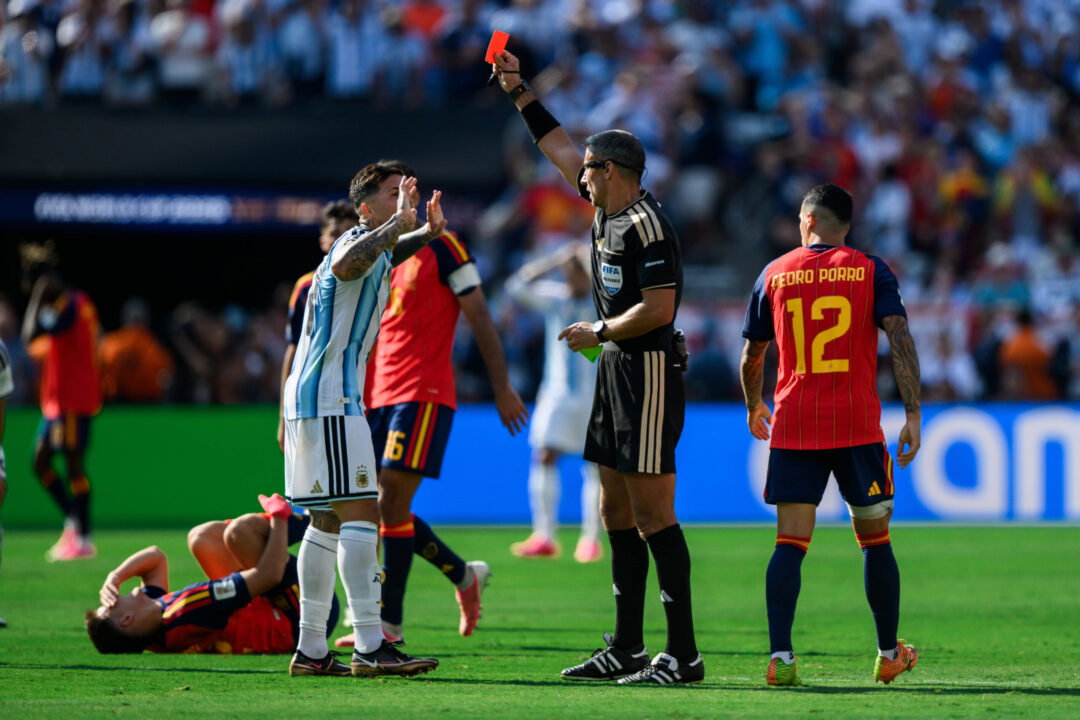
260719 Enzo Fernandez of Argentina is shown a red card by Referee Slavko Vincic during the FIFA World Cup, WM, Weltmeisterschaft, Fussball 2026 final football match between Spain and Argentina on July 19, 2026 in East Rutherford, New Jersey. Photo: Joel Marklund / BILDBYRAN / kod JM / JM0829 bbeng fotboll football soccer fotball vm fotbolls-vm fotball-vm fotbolls-vm 2026 fifa world cup 2026 final *** July 19, 2026: Enzo Fernández of Argentina is shown a red card by Referee Slavko Vincic during the 2026 FIFA World Cup final soccer match between Spain and Argentina on July 19, 2026 in East Rutherford, New Jersey. Photo by Joel Marklund. BILDBYRAN code JM JM0829 bbeng soccer football soccer World Cup soccer World Cup 2026 FIFA World Cup 2026 final PUBLICATIONxNOTxINxSWExNORxFINxDEN Copyright: JOELxMARKLUND BB260719JM069
The match’s decisive moment before the whistle for extra time had nothing to do with a goal.
Deep into second-half stoppage time, Enzo Fernandez, already carrying a yellow card, caught Pau Cubarsi late near the touchline and was shown a second yellow, then a straight red, by referee Slavko Vincic.
Argentina, already down to their final substitute options and missing both starting centre-backs, would play the rest of the match a man down.
By full time, Spain had out-shot Argentina 12 attempts to zero, the first time in tournament history a team had failed to register a single shot in a World Cup final.
Nico Williams’ Goal Disallowed
Imago
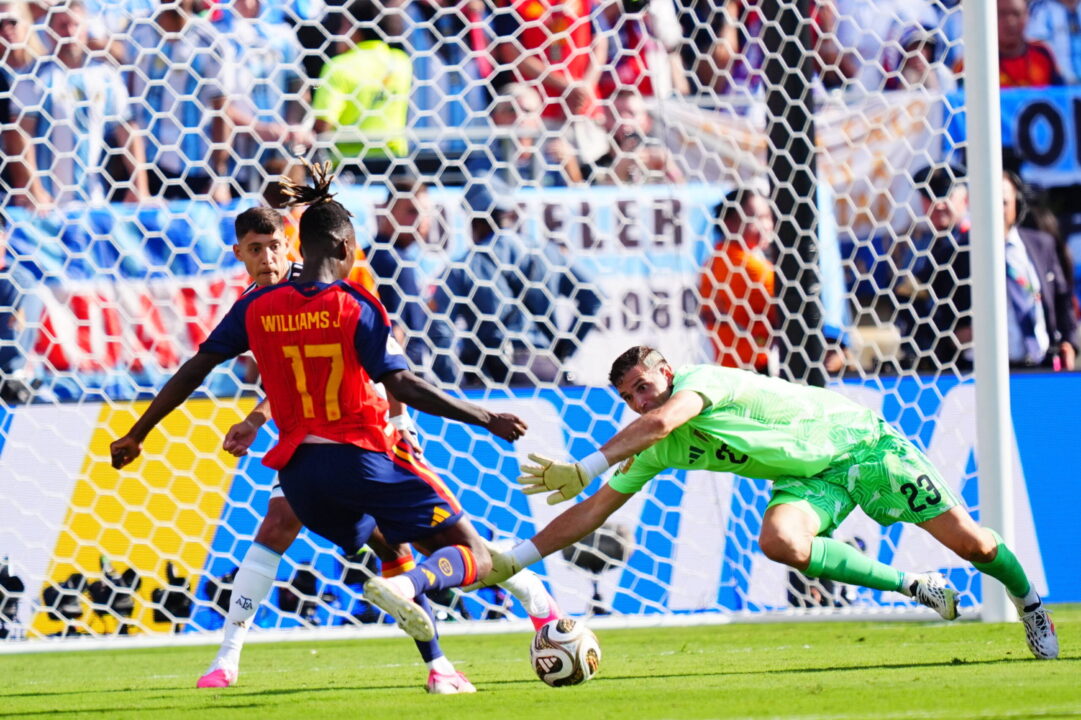
Spain v Argentina – FIFA World Cup, WM, Weltmeisterschaft, Fussball 2026 – Final EAST RUTHERFORD, NEW JERSEY – JULY 19: Nico Williams of Spain scores a disallowed goal during the FIFA World Cup 2026 Final match between Spain and Argentina at New York New Jersey Stadium in East Rutherford, New Jersey, USA on July 19, 2026. Evrim Aydin / Anadolu New Jersey United States. Editorial use only. Please get in touch for any other usage. PUBLICATIONxNOTxINxTURxUSAxCANxUKxJPNxITAxFRAxAUSxESPxBELxKORxRSAxHKGxNZL Copyright: x2026xAnadoluxEvrimxAydinx
Spain continued to dominate possession once extra time began. However, real chances stayed scarce until Mikel Merino nearly broke through in the 103rd minute, heading a Nico Williams cross narrowly wide of the far post.
Nine minutes later, Spain thought they had the breakthrough when Williams poked a loose ball into the net, only for the goal to be disallowed on review for a marginal foul on Otamendi moments earlier.
By the midpoint of extra time, the gap in the shot count had become almost absurd. Spain had fired 19 attempts at goal, 11 of them on target. Argentina, despite still being level on the scoreboard, hadn’t managed a single shot across more than 90 minutes plus half an extra period. Emi Martinez had already made 11 saves by that point, several of them the only thing keeping the match scoreless.
Argentina used their final substitution to bring on Marcos Senesi for Julian Alvarez, shifting to what amounted to a back five plus Messi up front, a shape built around surviving to penalties.
Ferran Torres Breaks the Deadlock
Imago
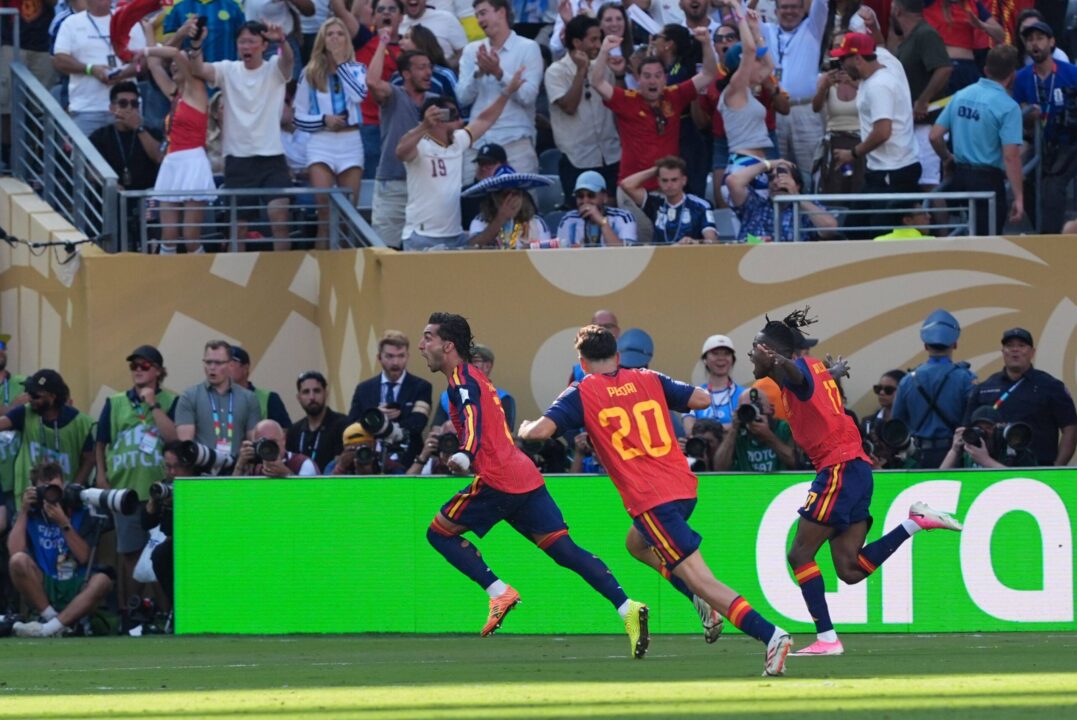
Ferran Torres of Spain celebrates their goal to make it 1-0 Spain v Argentina, 2026 FIFA World Cup, WM, Weltmeisterschaft, Fussball Final, Football, New York New Jersey Stadium, East Rutherford, New Jersey, USA – 19 Jul 2026East Rutherford New York New Jersey Stadium New Jersey NJ United States of America PUBLICATIONxINxGERxSUIxAUTxHUNxGRExMLTxCYPxROUxBULxUAExKSAxCHNxDENxINDxITAxPORxESPxSWExTURxMEXxCOLxVENxPERxECUxBRAxARGxCHIxURUxPARxPANxONLY Copyright: xIsmaelxAdnan/Shutterstockx 16998023fc
Whatever plan Argentina had for holding out until penalties collapsed 37 seconds into the second period of extra time.
Pedro Porro’s deep cross was headed back across goal by Nico Williams, and Ferran Torres arrived to lash it left-footed into the roof of the net. Spain led for the first time all night, 1-0, in the 106th minute.
Torres’ name now sits alongside a short list of players to have scored the winning goal in a World Cup final, company that includes Andres Iniesta and Mario Gotze from the two most recent European title runs before this one.
Spain nearly doubled the lead soon after. Torres thought he’d added a second in the 114th minute, running through to beat Martinez, but semi-automated offside technology ruled it out by the barest of margins.
Argentina Woke Up, But It was Too Late
Imago
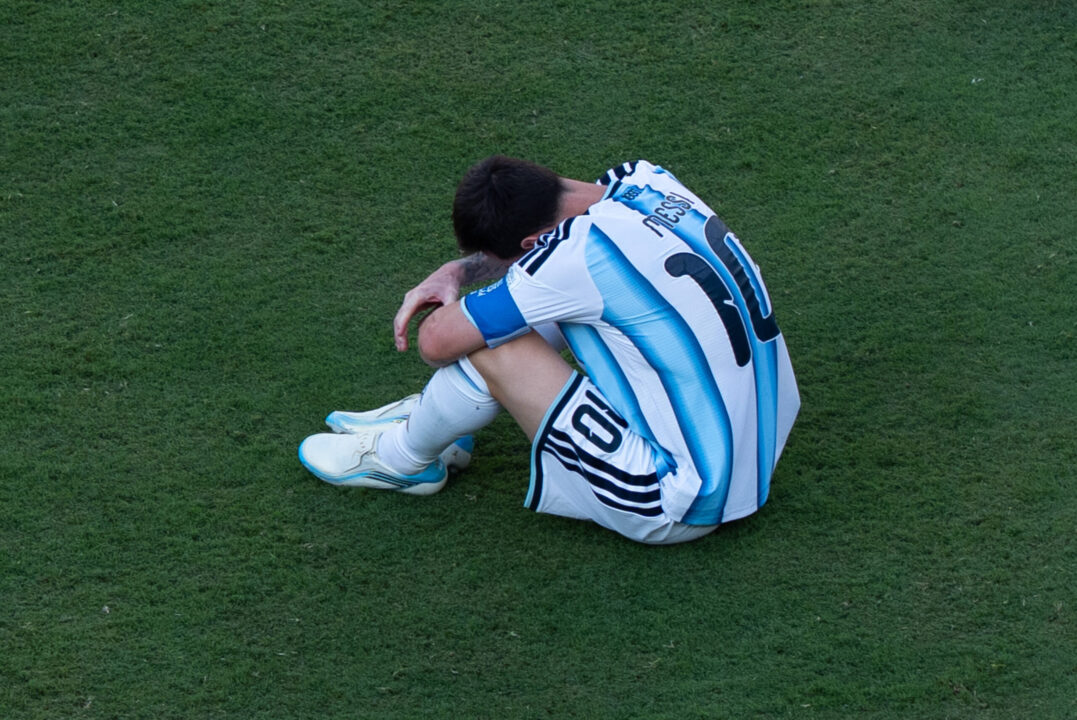
Lionel Messi Argentina, 10 enttäuscht nach der Niederlage im Finale FIFA World Cup, WM, Weltmeisterschaft, Fussball 2026 Final: Spanien v Argentinien 19 July 2026, FIFA World Cup 2026 Finale: Spanien v Argentinien Final at New York New Jersey Stadium in East Rutherford, New Jersey, USA. Photo: Marco Bader *** Lionel Messi of Argentina, No. 10, looks disappointed after the loss in the 2026 FIFA World Cup Final between Spain and Argentina on July 19, 2026, 2026 FIFA World Cup Final: Spain vs. Argentina at New York New Jersey Stadium in East Rutherford, New Jersey, USA. Photo by Marco Bader Copyright: HMBxMedia/xMarcoxBader
Messi curled a dangerous free kick off a short corner in the 115th minute that clipped the roof of the net without troubling the scoreline further. For the first time in the match, Argentina started looking like the side that had won its last three major tournament finals.
In the 116th minute, Nico Williams beat Nahuel Molina down the left and had the simplest of low passes available to set up Torres for a second; instead, he attempted a flicked pass that ran out of play, the kind of miss that would have haunted Spain for years had the scoreline stayed the same.
A minute later, Messi produced Argentina’s first shot attempt of the entire match, a long-range strike that struck Merino square in the face hard enough that Merino needed a concussion check before play could continue.
It was a stark measure of the night, 117 minutes into a World Cup final, and Argentina’s expected-goals tally sat at 0.04.
Argentina’s best chance of the match arrived deep into stoppage time. A short Messi free kick found Giovanni Simeone breaking in behind, and his low, hard cross was turned behind at the near post by Cubarsi in what might have been the tournament’s most important defensive touch.
Moments later, with five minutes of added time on the board, Messi’s corner was only half-cleared back to Simeone, who fired over the bar from 10 yards while falling backwards, Argentina’s clearest look of the entire final, and their last.
But, eventually, it was Ferran Torres’ lone goal that took Spain to glory and ended Lionel Messi and Argentina’s dream run as the World Champions. The question now remains: after a heartbreak, have the fans seen the last of Lionel Messi in international football? We might have to wait a bit for that answer.