
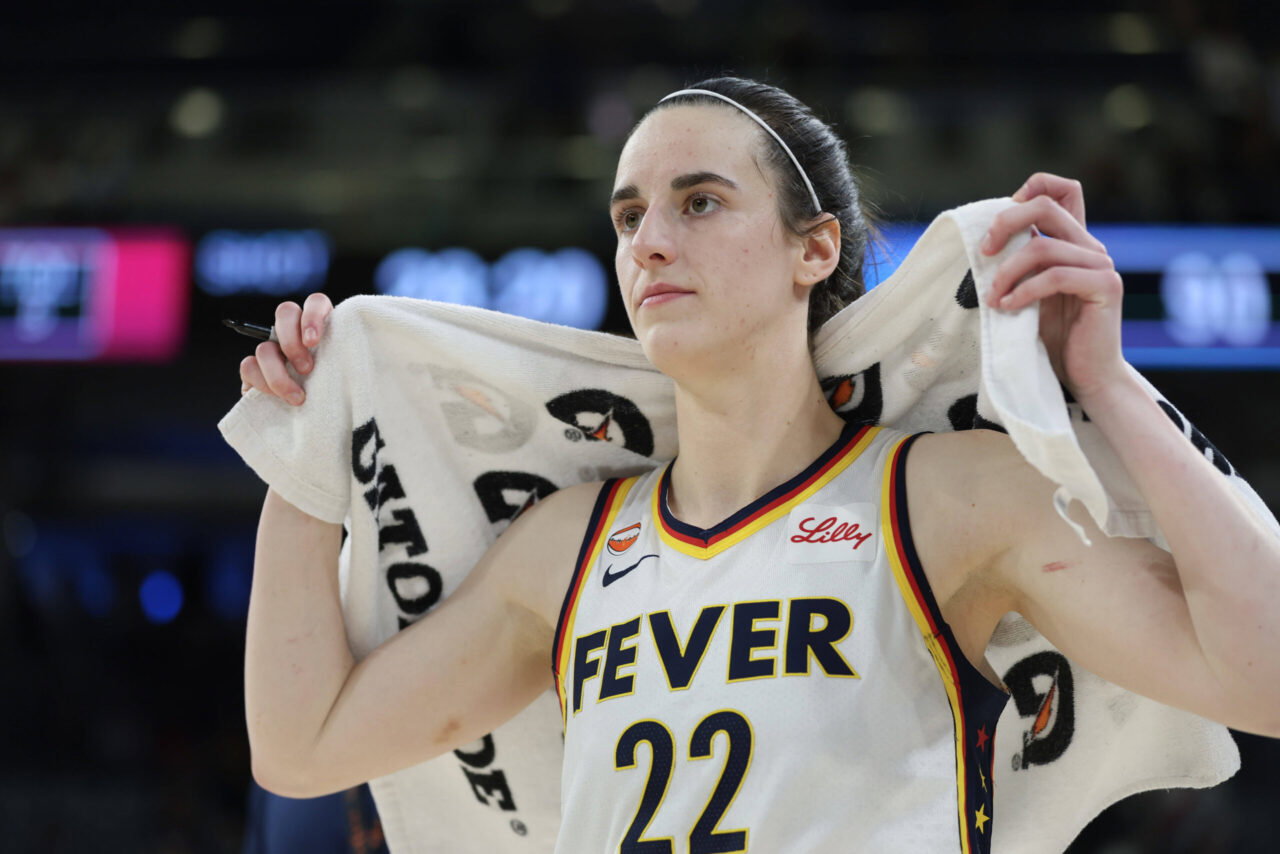
The WNBA’s growth has been impossible to ignore over the past few seasons, with rising attendance, record viewership, and new franchises adding to the league’s momentum. The 2026 season took that progress another step forward, as the Golden State Valkyries delivered a historic championship run just two years after entering the league. And Caitlin Clark, who has been at the center of the WNBA’s growing popularity, had plenty of appreciation for what the expansion franchise accomplished.
Watch What’s Trending Now!
During her recent appearance on Good Morning America, Clark was asked about the league’s record-breaking season, Golden State’s championship victory over the Atlanta Dream and the broader impact of women’s sports. While discussing what lies ahead for the WNBA, the Indiana Fever star made sure to give the Valkyries their flowers for achieving something few could have anticipated.
“I feel we’re kind of just scratching the surface of where we can begin to go,” the 24-year-old said, per an X post. “And I think by 2030 we’re going to be at 18 teams. So that’s more opportunities for roster spots, and it allows more young girls to dream and actually have the possibility to make it into the WNBA or NWSL or whatever professional league that they want to play in.”
She then turned her attention to Golden State, adding, “The Golden State Valkyries, I want to give them credit and a shout-out because what they were able to do this year was absolutely incredible. And Coach (Natalie Nakase), like in that whole organization, their very first class. So it was fun to kind of watch their story and their journey to win a championship in their second year. That’s pretty incredible.”
In the 2026 regular season, the WNBA recorded 90+ million unique viewers across national networks. Even more tellingly, 51 telecasts averaged at least one million viewers, a massive jump from 19 in 2025. The number of telecasts averaging more than two million viewers also reached a record nine, compared to just four the previous season.
Caitlin Clark’s own influence has been an important part of that growing conversation. As one of the league’s most recognizable stars, her arrival in the WNBA helped bring an enormous amount of attention to women’s basketball. However, her comments also point toward something bigger than individual popularity.
The league is expanding its reach, creating more opportunities for players and building an ecosystem where new franchises can quickly become meaningful parts of the championship picture.
Perhaps nothing demonstrated that progress better than what the Valkyries accomplished this season. After entering the league as an expansion franchise, the team needed just two seasons to reach the top of the WNBA. Golden State defeated the Dream 68-63 in Game 7 of the Finals, becoming the first team in North American major sports history to win a championship so quickly after its establishment.
The achievement was particularly remarkable considering the circumstances surrounding the franchise. Rather than relying on an established collection of superstars, the Valkyries built their identity around collective effort, defensive intensity, and a group of players willing to embrace their roles.
Their championship run also reflected the strength of the organization put together by general manager Ohemaa Nyanin, team president Jess Smith and head coach Natalie Nakase. The franchise set ambitious expectations from the beginning, with owner Joe Lacob publicly promising a championship within its first five years. And the Valkyries ultimately delivered on that ambition three years ahead of schedule.
But the Valkyries did not simply win another WNBA title. They demonstrated what investment, strong organizational decisions, and the right team culture can accomplish in a league that is continuing to expand.
The WNBA has previously added two more expansion teams in Portland and Toronto. And they will be followed by Cleveland, Detroit, and Philadelphia in the coming years. So, as Caitlin Clark pointed out, the WNBA is only scratching the surface of what it can become.