March usually belongs to college basketball chaos. Yet while fans are consumed by the madness, a far more consequential issue is quietly unfolding in professional women’s basketball. The WNBA’s ongoing collective bargaining agreement negotiations have entered a tense phase with a key deadline already passed.


The league had set March 10 as a target date to reach a new CBA term sheet to avoid disruption to the 2026 season. That date came and went without an agreement, and negotiations have continued through lengthy meetings in New York. At the same time, basketball analyst Rachel DeMita has raised alarms about another troubling element surrounding the talks.
Watch What’s Trending Now!
According to DeMita, the negotiations are unfolding with almost no attention from the very networks invested in the league’s future. DeMita highlighted the lack of network discussion in a recent YouTube video posted after the March 10 target date passed. “The longer all of this draws out, people do not care.”
She then pointed to what she viewed as a surprising absence of coverage during a major broadcast. “The fact that last night was the deadline that Adam Silver placed for the CBA, and it was buried… Like, not a mention during the NBC Broadcast last night. Not one mention that there’s a negotiation going on, and if they miss this deadline, the season could be delayed.”
Her comments come as negotiations between the WNBA and the WNBPA continue across consecutive days of meetings. Reports indicate that marathon discussions have taken place with multiple proposals exchanged, though a final agreement has not yet been reached.
Still, the stakes remain significant. The 2026 season is scheduled to begin May 8, and unresolved negotiations could affect key offseason events such as the draft, free agency, and training camps.
The league has never experienced a formal lockout. However, a precedent exists. In 2003, stalled negotiations delayed the WNBA Draft and preseason before a new agreement was eventually finalized.
Financial terms have been central to the talks. The league’s most recent proposal raises the salary cap to $6.2 million in Year 1 of the deal, a dramatic increase from the roughly $1.5 million cap in 2025.
Maximum base salaries would also rise above $1 million under the proposal, with projections that they could climb closer to $2 million later in the agreement. Average salaries are expected to approach roughly $570,000 initially.
Despite those significant financial changes, the absence of broader discussion across major broadcasts has sparked debate. That silence stands in contrast to ESPN’s recently announced summer programming initiative built around women’s sports, which includes WNBA games as a core component.
Charles Barkley issues latest warning amid CBA negotiations
While media coverage has remained limited, voices from the NBA world have weighed in on the situation.
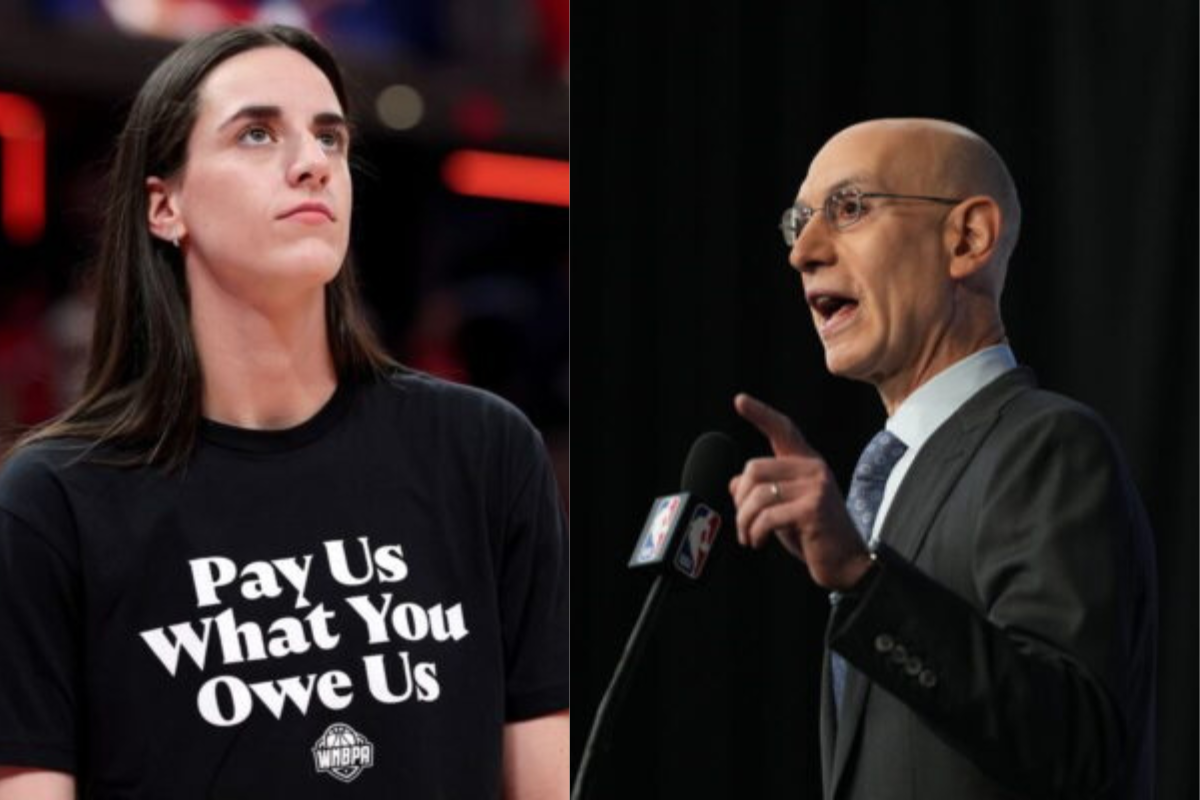
During NBA All-Star Weekend earlier this year, commissioner Adam Silver urged both sides to bring urgency to the negotiating table. Silver warned that dragging out the process too long could jeopardize the league’s momentum heading into its 30th anniversary season.
Now former NBA MVP and longtime analyst Charles Barkley has offered a far more direct perspective. “You could see this damn train wreck coming.” Barkley followed with a broader message about negotiating power in professional sports.
“I love the WNBA. I wish you women nothing but the best. But this notion that y’all were gonna just hold everybody’s feet to the fire and get whatever y’all wanted, that’s not the way it works. You have to make the best deal possible. But the people that got all the money they’re going to make the rules.”
His comments reflect the reality facing both sides in the negotiations. The league must protect the investments of team owners and stakeholders, while players are pushing for compensation that better reflects the WNBA’s rising popularity and commercial growth.
The current proposal attempts to bridge that gap. A salary cap more than four times larger than the previous figure represents a massive structural shift, even as players continue pushing for additional gains through revenue sharing and other benefits.
Both sides have indicated that talks remain active and that progress has been made in recent meetings. However, the absence of a finalized agreement keeps the possibility of a delayed season in play.
That uncertainty is why Silver emphasized urgency earlier this year. With the WNBA preparing for its milestone 30th season, the next few weeks of negotiations could determine whether the league enters that anniversary with momentum or with disruption hanging over it.
Related Newsletters