Imago
IMAGN
Imago
IMAGN
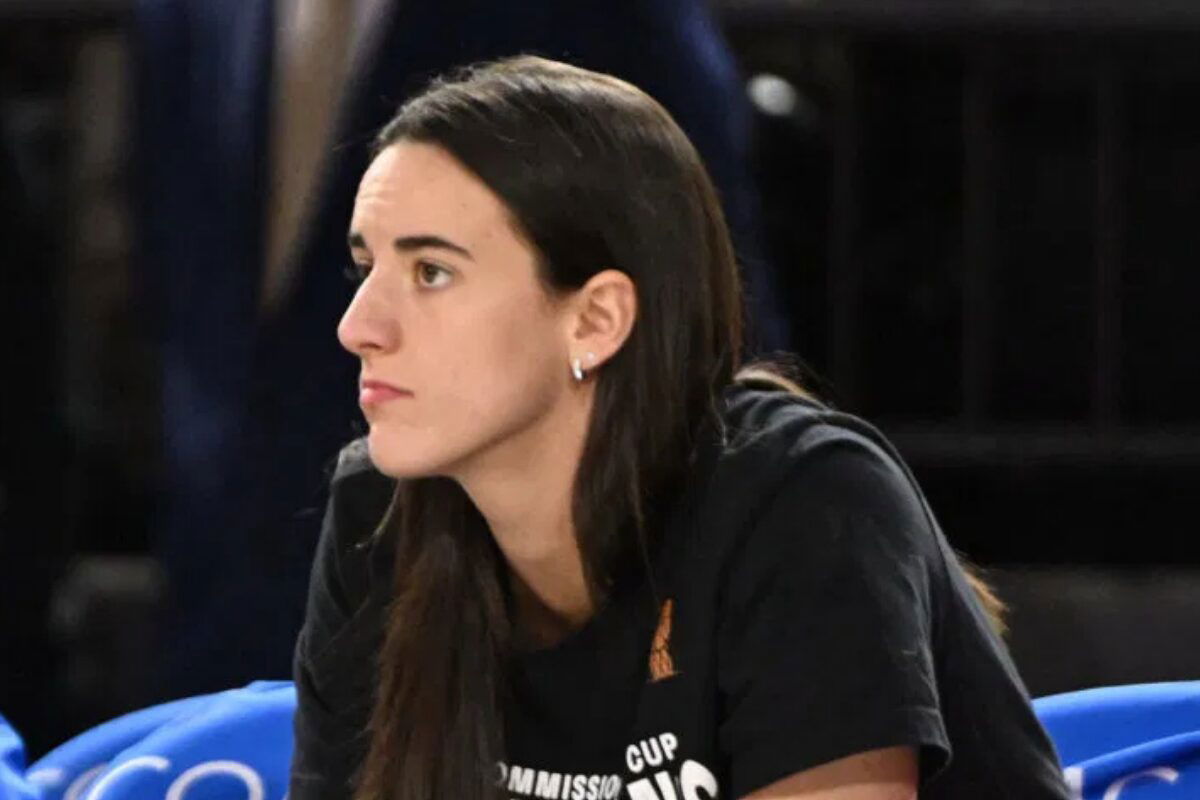
The spotlight around the WNBA keeps getting brighter. At the same time, the pressure that comes with it is becoming harder to manage. Caitlin Clark’s rise has brought unprecedented attention to the league, but it has also exposed a growing tension beneath the surface. The challenge is no longer whether Clark should be promoted. It is how the league, media, and fans respond when she is.


That tension surfaced again this week. Former ESPN anchor Elle Duncan addressed the issue while appearing on the Awful Announcing podcast with Brandon Contes. Her comments followed a recent moment involving the WNBA and Clark that quickly spiraled into backlash.
Watch What’s Trending Now!
The WNBA recently shared an Instagram post highlighting Caitlin Clark’s involvement in NBA broadcasting. The post was later deleted after drawing a wave of hostile and divisive responses in the comments. That reaction has become increasingly familiar. Whenever Clark is promoted, a segment of the conversation shifts away from her accomplishments and toward arguments about who else deserves recognition. Instead of celebration, the discourse turns corrective. Instead of momentum, it becomes defensive.
Imago
Credit: IMAGO
Duncan explained why that framing is flawed. “You should celebrate Caitlin,” Duncan said. “I think with women in general, there’s this idea that if you exceptionalize one woman, you have to acknowledge every other woman that came before her. We don’t have to break off the crown and give every single little person a piece.” Her point was not about ignoring history. It was about removing the condition attached to praise.
This is not a Caitlin Clark problem in isolation. It is a league-growth problem. Clark’s popularity has undeniably expanded the WNBA’s reach. However, the response to that growth has exposed a recurring discomfort with singular stardom in women’s sports. Posts meant to amplify players are increasingly met with arguments instead of engagement.
As a result, the burden shifts to stakeholders. Duncan made it clear that responsibility does not fall on Clark, or even on fans alone. It extends to the league, media outlets, and broadcasters who shape how success is framed. When promotion is consistently followed by caveats, it trains audiences to see celebration as exclusion rather than progress.
That dynamic ultimately limits the league’s upside.
Caitlin Clark’s next step amplifies the spotlight even further
The timing of this discussion matters because Clark’s profile is still rising. NBC recently announced that Caitlin Clark will serve as a special contributor for the launch of Sunday Night Basketball. She will appear alongside established NBA voices, including Vince Carter, Carmelo Anthony, and Tracy McGrady, with Maria Taylor hosting the coverage.
Clark is set to contribute to pregame and halftime analysis during the Knicks vs. Lakers broadcast. For a second-year WNBA player, it is a significant off-court milestone. It is also a test.
Every new platform increases visibility. Every increase in visibility magnifies the same tension Duncan described. The reaction to the WNBA’s deleted post offered a preview of how easily progress can be reframed as controversy.

Imago
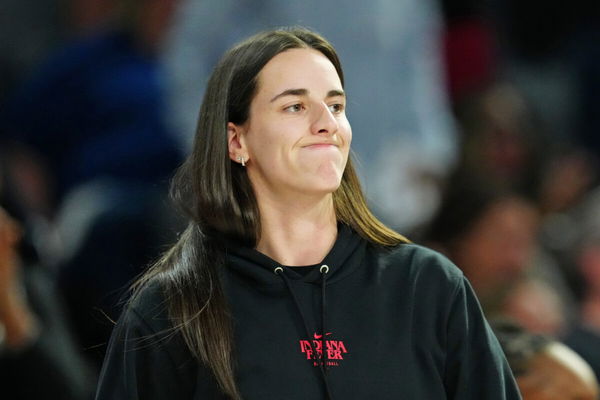
Aug 31, 2025; San Francisco, California, USA; Indiana Fever guard Caitlin Clark (22) walks on the court before the game against the Golden State Valkyries at Chase Center. Mandatory Credit: Darren Yamashita-Imagn Images
The larger takeaway is not about Caitlin Clark alone. Players like Clark and Angel Reese are expanding the commercial and cultural footprint of the WNBA. That growth benefits the entire league. However, it only works if success is allowed to exist without constant recalibration.
Celebration does not erase legacy. Promotion does not diminish others. Clark’s upcoming NBC role places her in front of an even broader audience. How the league and its partners handle that moment will signal whether the WNBA is ready to embrace star power without hesitation.
If that balance is struck, the payoff extends far beyond one player. If it is not, the same cycle will repeat every time the spotlight finds its next star. And that is the hidden problem Duncan was calling out.
Written by

Edited by

Ved Vaze