
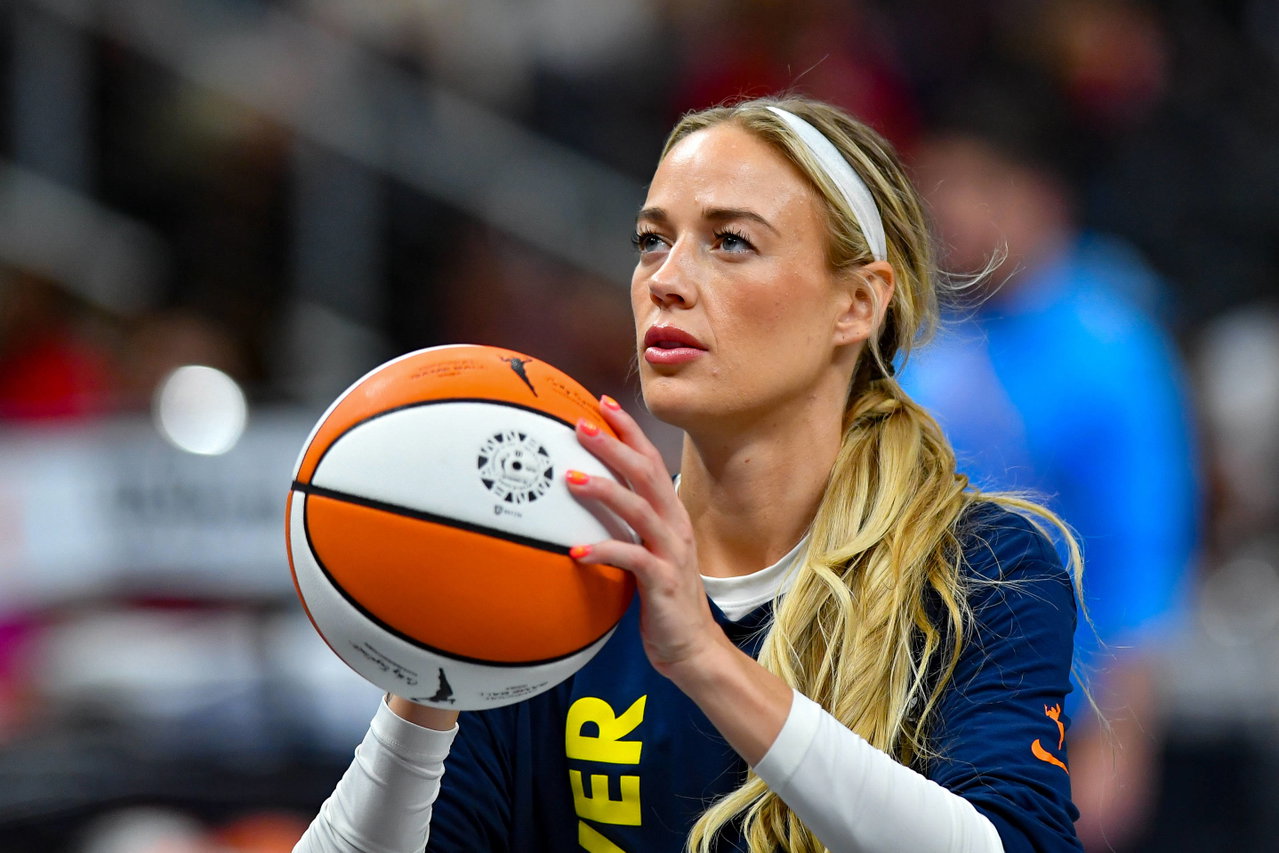
According to Caitlin Clark’s former teammate Sydney Colson, the WNBA of today looks and operates very differently from the league it used to be. Bigger contracts, larger audiences, major media deals, and increased commercial attention have transformed it into a far more valuable business. But in Colson’s view, all that financial growth has also had a quieting effect on how free players like Sophie Cunningham feel to express themselves.
Watch What’s Trending Now!
Speaking on Thursday’s episode of the We Need to Talk podcast, Colson expressed concern that some WNBA players may be growing increasingly hesitant to weigh in publicly on controversial issues, precisely because the financial stakes of being a professional player in this league are now so much higher than they used to be.
“There is a difference between what our league looked like and stood for back then and how vocal players were about things. I think we galvanized, obviously, and we had to come together for CBA negotiations to fight for what we believed that we deserved. And people have their opinions about it, but we are where we are now.
“What I’m seeing is, I think, with some people, there might be a fear to speak up about a lot of things. That is typically what happens when big money comes around, you know? Agents might be talking to you, telling you not to get involved with certain things, say certain things.”
Among those who don’t fit the mold Colson spoke about is Sophie Cunningham. The Indiana Fever guard spoke her mind about not supporting trans athletes competing in women’s sports in her July 21 profile by ESPN’s Haillie Grossman, and then defended her stance in the face of massive backlash.
“I said what I said. I think it’s kind of common sense. And I think I’ll always believe in that. I think it’s really important to protect children, and that’s little girls who are also involved in that category. I stand on what I said,” Cunningham said on July 22 ahead of the Fever game with Connecticut.
However, the Fever itself has an example of what Colson was talking about. Caitlin Clark, for instance, has deliberately stayed neutral, making clear that the cultural debate is not her focus and framing it as a question for the WNBA rather than individuals.
“I think first and foremost, you speak when you feel like you want to speak… I try to just show up and be myself every single day,” Clark told reporters on August 6.
In a separate interview, she added: “I think it’s for leagues and governing bodies to work with their athletes to find solutions.”
It is entirely understandable why players might not want to wade into a topic as polarising as transgender inclusion in sport. Sophie Cunningham has experienced that firsthand, being booed at nearly every road game since she first made her position public.
However, Colson hopes that players can still find a collective voice when issues truly demand it, even within a league where financial incentives now cut more deeply than ever before.