
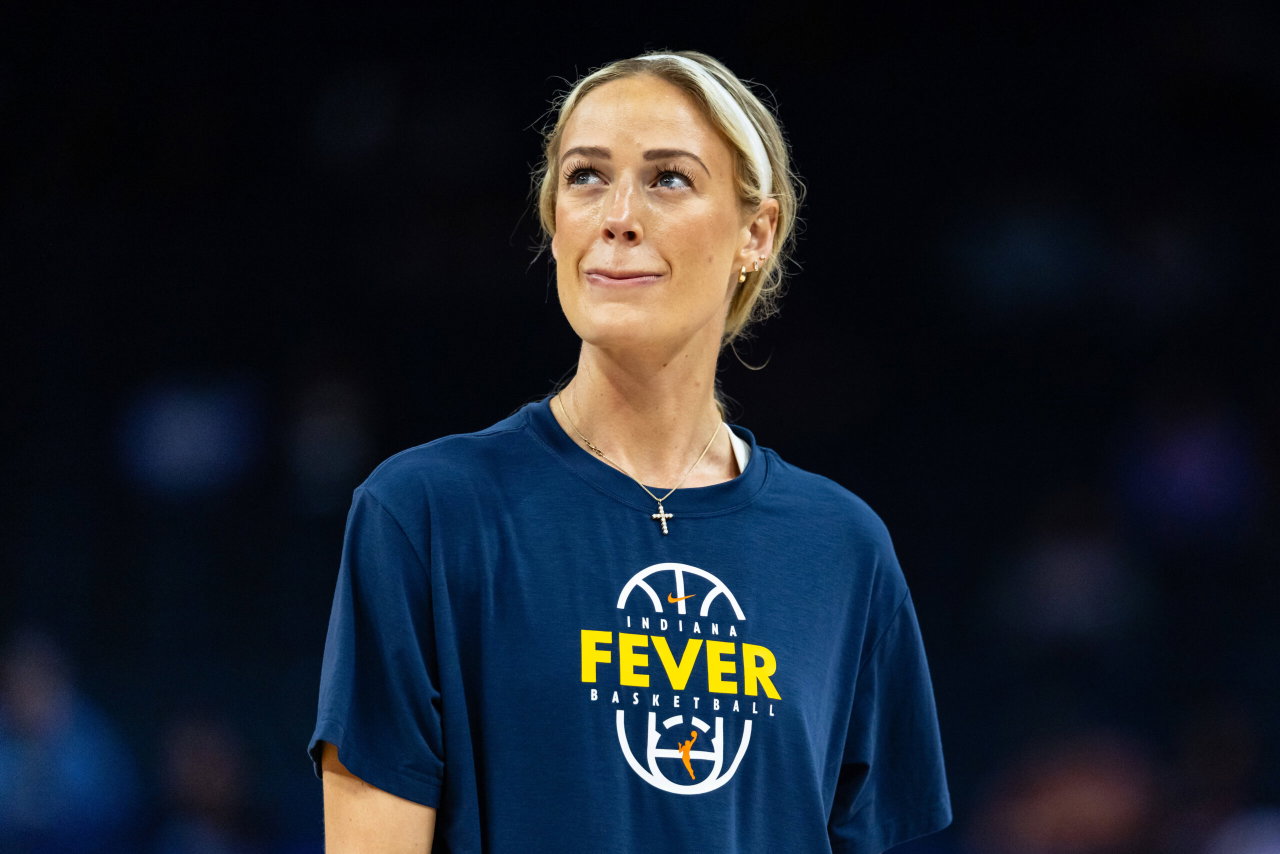
“The WNBA media, all we ever do is cover everything except basketball. It’s like, ‘What are we doing?'” Those were Sophie Cunningham’s exact words to reporters at Gainbridge Fieldhouse before practice on Wednesday. It was a remark that perfectly captured the frustration surrounding the league over the past few weeks, an off-court controversy that simply refuses to go away.
Watch What’s Trending Now!
It has been exactly two weeks and three days since ESPN published the Sophie Cunningham profile that appears to have plunged the WNBA into what seems like a full-blown culture war now. And even Cunningham herself seems to be tired of the never-ending discourse her own comments sparked.
“You can talk about other things,” she said.
But that has not been the case. Each time it seems like the conversation might finally be moving on, one more interview, protest, public statement, reaction, comment, or action stirs it right back up again. The question that is becoming increasingly difficult to avoid now is: when does this end?
The honest answer, as things stand, is that nobody can say. But while the controversy rages on, it is worth going back through the full timeline to trace exactly how we arrived at this point, starting from July 21.
The Sophie Cunningham ESPN Profile, Backlash, and Double Down
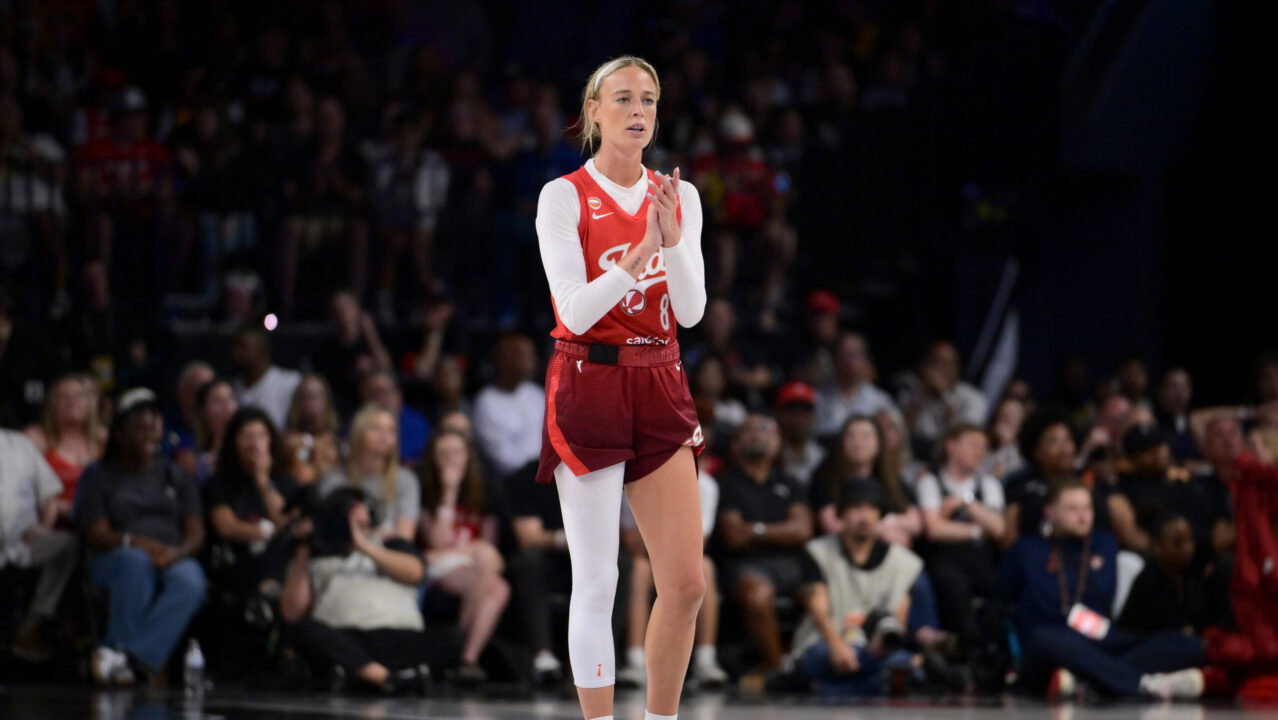
The WNBA was far from free of off-court controversy before ESPN published its profile on Sophie Cunningham on July 21. At the exact moment it landed, the league was already contending with a separate and deeply charged set of issues: the racial abuse directed at players including Alyssa Thomas and Chelsea Gray on social media, the infamous Alyssa Thomas fist-to-the-throat foul on Caitlin Clark, congressional intervention in the matter, and sustained criticism of Commissioner Cathy Engelbert’s leadership, among other underlying tensions.
It was exactly three days before the start of the 2026 WNBA All-Star Weekend, a period when, despite the controversies simmering beneath the surface, the general atmosphere was still one of anticipation for what turned out to be a memorable and eventful All-Star celebration. But it was precisely in that window that ESPN published the Sophie Cunningham profile, which they titled “Love her or hate her, Sophie Cunningham won’t be ignored.”
Written by Hallie Grossman, the feature saw Cunningham express clear and unambiguous opposition to transgender women participating in female sports, framing her position around the protection of young girls.
“I got a lot of negative feedback about me hating trans. And I’m like, ‘I never once said that,'” Cunningham told ESPN. “I think that I am here to extend love. But I also think with that love is truth, being honest. And I want to protect young girls in a locker room, or young girls in sport who shouldn’t have to go against biological men.”
The backlash after those comments was swift and significant. But when asked about it again, Cunningham did not soften her language or qualify her position. Instead, she doubled down without hesitation.
“I said what I said. I think it’s kind of common sense,” she said, via The Athletic. “And I think I’ll always believe in that. I think it’s really important to protect children, and that’s little girls who are also involved in that category. I stand on what I said.”
That doubling down did nothing to cool the conversation. If anything, it poured fuel onto a flame that had only just been lit. And as is now very clear, it is still burning.
Cheryl Reeve Position, Brianna Turner Support, and Unexpected Scandal Revelation
Long before Sophie Cunningham’s stance became the defining controversy of the WNBA’s summer, Minnesota Lynx head coach Cheryl Reeve had already made her position on the broader transgender rights debate publicly known. In a video shared by beat reporter Andrew Dukowitz on X on July 17, before the Cunningham profile even dropped, Reeve spoke directly about the June 30th U.S. Supreme Court ruling allowing certain states to ban transgender girls and women from participating in female sports.
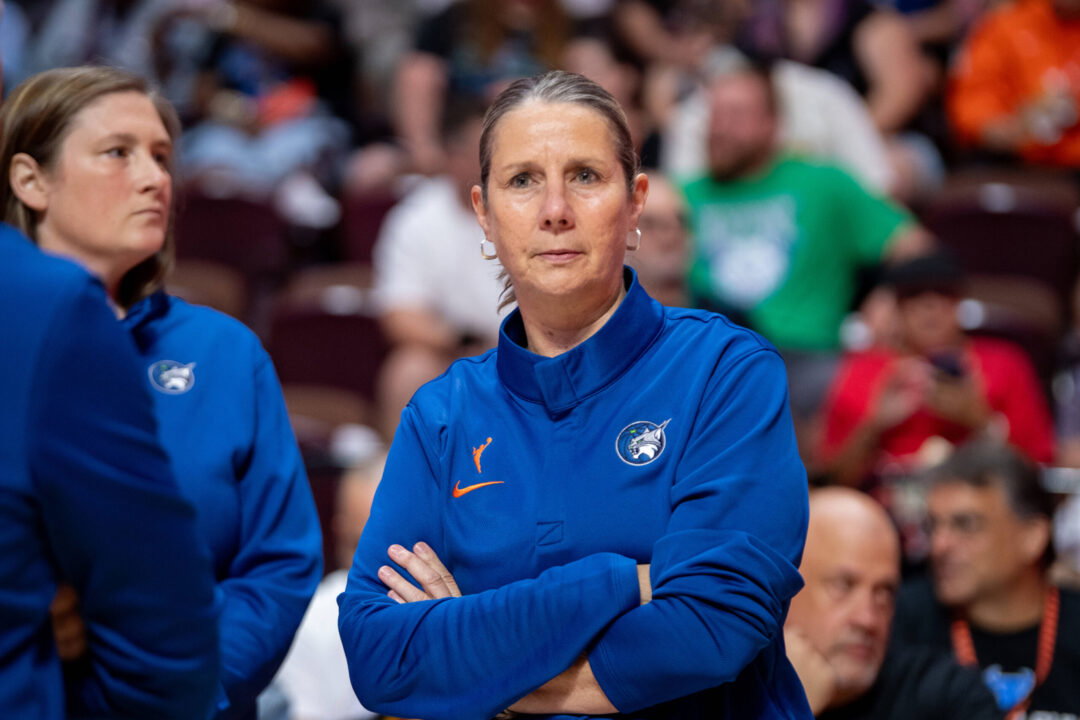
She described the ruling as part of a broader attack on transgender people, saying the situation weighed heavily on her.
“Of course it weighs on me,” Reeve said to reporters before a Lynx practice. “The attacks on trans people, the attacks that they’ve gone through, it seems like it’s got way more aggressive. It’s sort of sickening when the issues they are trying to tackle are really not issues. Exclusion is never the answer, separate isn’t equal, and trans lives matter.”
In the wake of Cunningham’s ESPN profile and the firestorm that followed, Las Vegas Aces center Brianna Turner turned her attention to Reeve’s interview on July 23, and publicly affirmed everything the Lynx head coach had said.
“‘Because exclusion is never the answer, trans lives matter.’ Beautifully said. I’ve been an advocate for the trans community since I entered the WNBA. So many takes about them are based on fear mongering and bigotry,” Turner wrote in her response to the video.
But Turner did not stop there. She went on to post a full thread on X, and buried within it was a revelation that had nothing to do with transgender athletes and everything to do with what she claimed happened inside the Indiana Fever organisation the previous season.
“An issue that has caused problems though? Last year on my WNBA team a male staff member was fired for sexual harassment, but we were encouraged to keep quiet about it. That is an issue. Sexism, misogyny, homophobia, and racism are all issues,” Turner wrote.
Her point was simple: the national conversation around transgender athletes frames them as the urgent issue requiring legislative action, whereas there were more pressing problems within sports, such as harassment. Case in point, what she claimed had happened during her time with the Indiana Fever.
That revelation once again lit up the league. But after the Indiana Fever released a clarifying statement on the matter, the discussion around Turner’s claims appeared to die a natural death. What didn’t die, however, was the transgender controversy. It continued to spread like wildfire.
The Seattle Pro-Cunningham Rally, Counter Rally, and the Fever’s Official Position
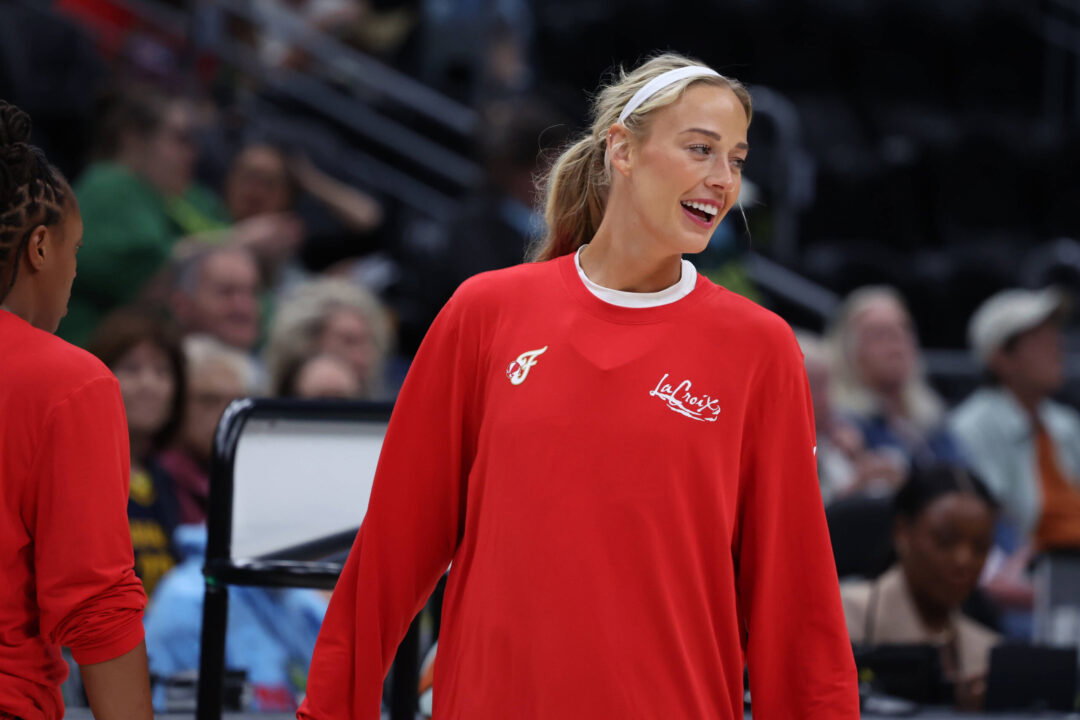
Sophie Cunningham’s public opposition to transgender athletes in women’s sports not only generated backlash, but also organised support from those who believed she had said exactly what needed to be said. And to demonstrate that support ahead of the Fever’s road game against the Seattle Storm on July 28, advocacy groups planned a rally outside the arena in her honour.
That rally, however, did not unfold without friction. Counter-protesters and transgender rights activists arrived at the same time to stage their own demonstration, making the scene outside the arena a charged and contested one before the game had even begun.
Following the game, the Indiana Fever did not make Sophie Cunningham available for media availability. But that did not stop reporters from directing questions at Fever head coach Stephanie White about the rally and Cunningham’s recent comments. But rather than offering a direct response, a Fever public relations representative stepped forward and read from a prepared statement.
“Neither our organisation nor Sophie had any knowledge of this demonstration and no contact with its organizers. Our only goal as a team, whether at home or away, is to win basketball games and make Fever fans for life, and we are united in that mission,” the statement read.
That statement was meant to draw a clear line between the organisation and the demonstrations unfolding in its name. But as it turned out, it was not the only thing that kept the Cunningham-trans controversy burning during that Seattle game. Something else happened too, and it only added more fuel to an already blazing fire.
The Seattle Storm Executive Suspension
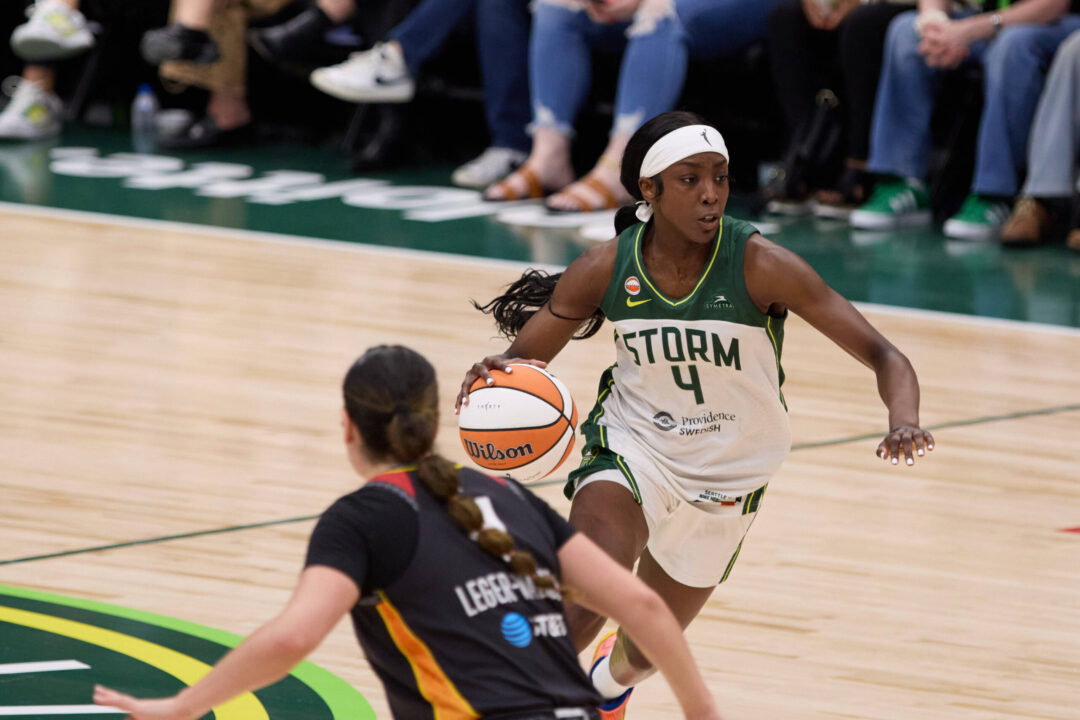
During that same Seattle Storm game, two 16-year-old female fans sat courtside wearing shirts from the apparel brand XX-XY Athletics, representing biological sex chromosome pairs, and holding handmade signs that read “Thank you Sophie for speaking up for girls.” While boos rained down from the stands directed at Cunningham, the two teenagers were quietly and peacefully showing their support for her. Storm minority co-owner Celeste Keaton, however, did not appear to welcome what the girls were expressing, and she confronted them directly.
According to reports, Keaton went as far as berating the teenagers with expletive-laden language. The confrontation was in fact, severe enough that one of the girls was left in tears.
As a result of Keaton’s actions, the WNBA issued an official suspension barring her from attending the Storm’s next five home games and also imposed an undisclosed financial fine. Storm majority owner Ginny Gilder later released an official statement apologizing to the fans over the incident.
Sophie Cunningham was also not going to let the moment pass without comment. She took to X to make her feelings known, and characteristically, she did not hold back.
“I truly believe there is a safe space and love for EVERYBODY. Biological girls, biological boys, trans women, and trans men. Everyone is welcome at my table! You can disagree and still be kind,” Cunningham wrote. “Bravo to those girls for standing up for what they believe. You’ll be hearing from me soon 💕 yay for gifts. Truly embarrassing of the co-owner. Unfortunately shows the type of leader she is.”
The suspension of a team executive for confronting teenage fans at an arena had never happened in the WNBA before. And it added yet another extraordinary chapter to a controversy that was showing absolutely no signs of running out of material.
Indiana Fever HC Stephanie White’s Statement on Transgender Athletes
A Fever public relations representative had stepped in to prevent Stephanie White from commenting on the ongoing controversy after the Seattle Storm game. But reporters would raise the very same questions ahead of Indiana’s next game against the Portland Fire, and this time, White responded directly.
She was specifically asked about her stance on biological men playing in women’s sports. And while her response was far from definitive, it still drew criticism.
“I wouldn’t say I’m educated enough from a scientific standpoint, but I don’t ever believe that exclusion is an answer,” White said. “I just don’t. And I do think, when we think about various levels of sport, various governing bodies of sport and things that go into that — as I said, I’m not educated enough at the different levels. I know growing up that I played with the boys all the time. There weren’t girls’ sports back then.”
White’s response appeared to lean toward support for transgender inclusion, particularly with her statement that exclusion was not the answer. However, her admission that she was not educated enough to give a more direct answer to what many in the pro-Cunningham camp saw to be a straightforward question drew its own wave of criticism.
Portland Fire head coach Alex Sarama also faced a similar question ahead of that same game, and his answer was equally non-committal, choosing to express general support for inclusion without engaging with the specifics of the debate.
More Pro-Cunningham Rallies, Counter Protests, and Cheryl Reeve’s Rebuttal
By the time the Minnesota Lynx game came around, the rally pattern had become a fixture of Indiana Fever road games. Three pro-Cunningham rallies had now been held, outside the Seattle Storm arena, outside the Portland Fire game, and now outside the Target Center in Minneapolis. And each of these rallies had also brought out counter-protesters and trans activists staging their own demonstrations on the other side of the dividing line.
What had, however, remained relatively controlled in Seattle and Portland escalated in Minneapolis. It culminated in a mild but notable physical confrontation between protesters from opposing sides, captured on camera and quickly shared online.
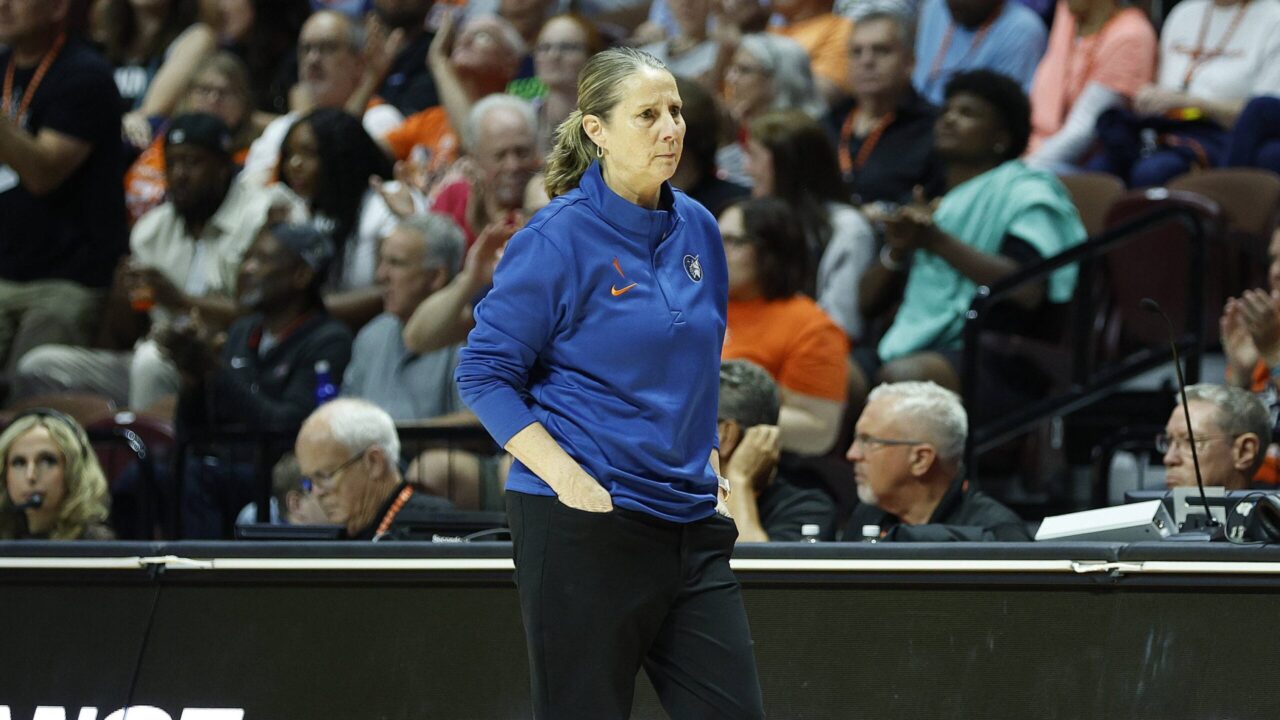
The Lynx game itself added another vivid visual to the timeline. Lynx head coach Cheryl Reeve arrived wearing a light blue “Trans Kids Belong” T-shirt, a deliberate, visible reinforcement of the position she had already publicly stated. And despite what appeared to be a warm and amicable pre-game conversation between Reeve and Sophie Cunningham at mid-court, the fans inside the Target Center were considerably less diplomatic.
Cunningham met with sustained and heavy booing throughout the game, the loudest and most hostile reception she had faced across any of the three away games that had now become defined as much by the controversy surrounding her as by the basketball itself.
Presidency Support For Sophie Cunningham’s Stance
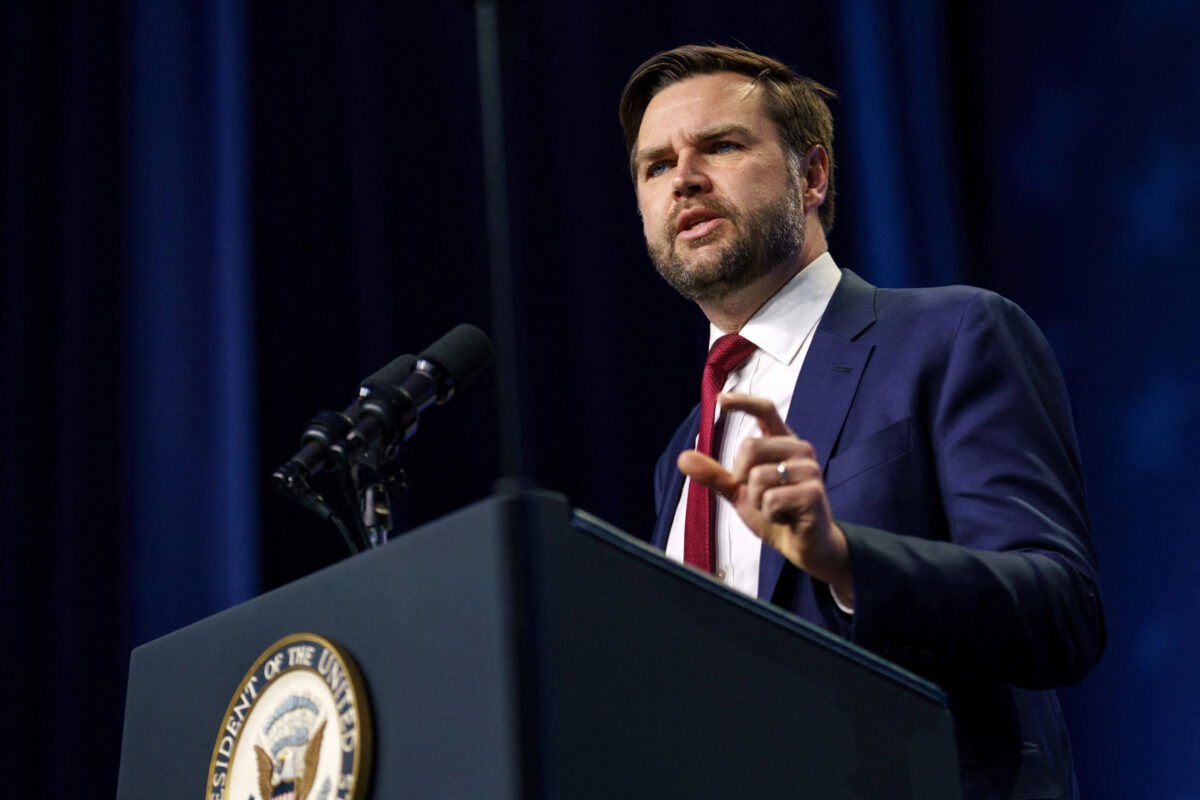
The conversation surrounding transgender athletes had already extended far beyond the confines of the WNBA and into the political arena. But on Wednesday, it took another major leap, drawing public support from the White House.
During an interview on Fox News, Vice President JD Vance was asked about Sophie Cunningham’s stance, the support it had received, and the criticism it had attracted after she publicly voiced her position. As expected, the vice president firmly backed Cunningham and encouraged her to continue speaking out.
“Look, sometimes when you’re courageous in this country, some of the worst people in the world will try to attack you. What I would tell Sophie and anybody is to keep speaking your mind. You actually are inspiring a dozen people for every person that criticizes you,” Vance said.
“We cannot take our country back; we cannot save the United States of America unless you have people of courage who are speaking their mind. The thing about courage is it’s contagious. When you see one person, even if they have the mob come after them – one person speak their mind in a courageous and honest way, it inspires a lot of people to do the same. So I would tell Sophie to keep going,” the vice president added.
With support now coming from one of the highest offices in the United States, the controversy had clearly grown far beyond a debate within the WNBA. And judging by everything that has unfolded over the past two weeks and three days, there is little indication that the conversation will end anytime soon.
And it didn’t. In fact, just about 24 hours later, another WNBA player who appeared to support transgender inclusion faction openly declared that she would have no problem welcoming a transgender athlete onto her team.
Valkyries Forward Gabby Williams Open to Welcoming Trans Athlete To The WNBA
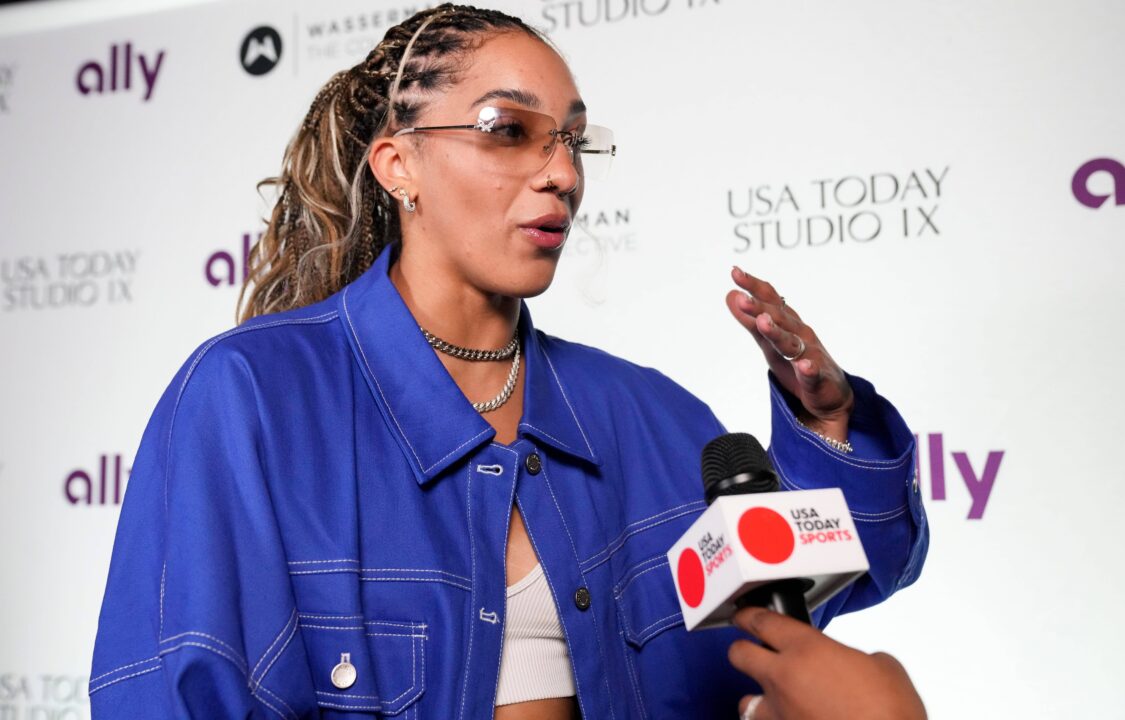
Golden State Valkyries forward Gabby Williams, in a statement she made as recently as Thursday, has now expressed her willingness to welcome a transgender athlete to the WNBA. In fact, in her remarks, she described transgender rights as the new battle athletes should be fighting and suggested that welcoming transgender athletes into the league was simply an act of kindness and inclusion.
“I think it’s trans, trans rights, right now, is our new battle,” Williams said. “We see people’s trans rights being stripped away from them; there’s a lot of discourse around trans athletes and what they can compete in. I would welcome a trans athlete on my team or against my team, anytime. I don’t think it’s a problem in the world. It’s just another way to kind of trans people.”
“We’ve seen players like Layshia Clarendon, who stepped into that forefront, and have been brave enough, and courageous enough, to step up. So I guess that’s the next battle we have to fight as athletes,” she added.
Layshia Clarendon, whom Williams referenced, is a former professional basketball player who became the WNBA’s first openly transgender and non-binary athlete. Clarendon went on to undergo gender-affirming top surgery in 2021 and officially retired from the WNBA after completing a 12-season career with the Los Angeles Sparks in 2024.
With Williams now becoming the latest prominent WNBA figure to publicly weigh in on the issue, the debate surrounding transgender athletes in women’s sports continues to show no signs of slowing down. Instead, it remains one of the league’s most polarizing conversations, with new voices and fresh reactions continuing to emerge.