
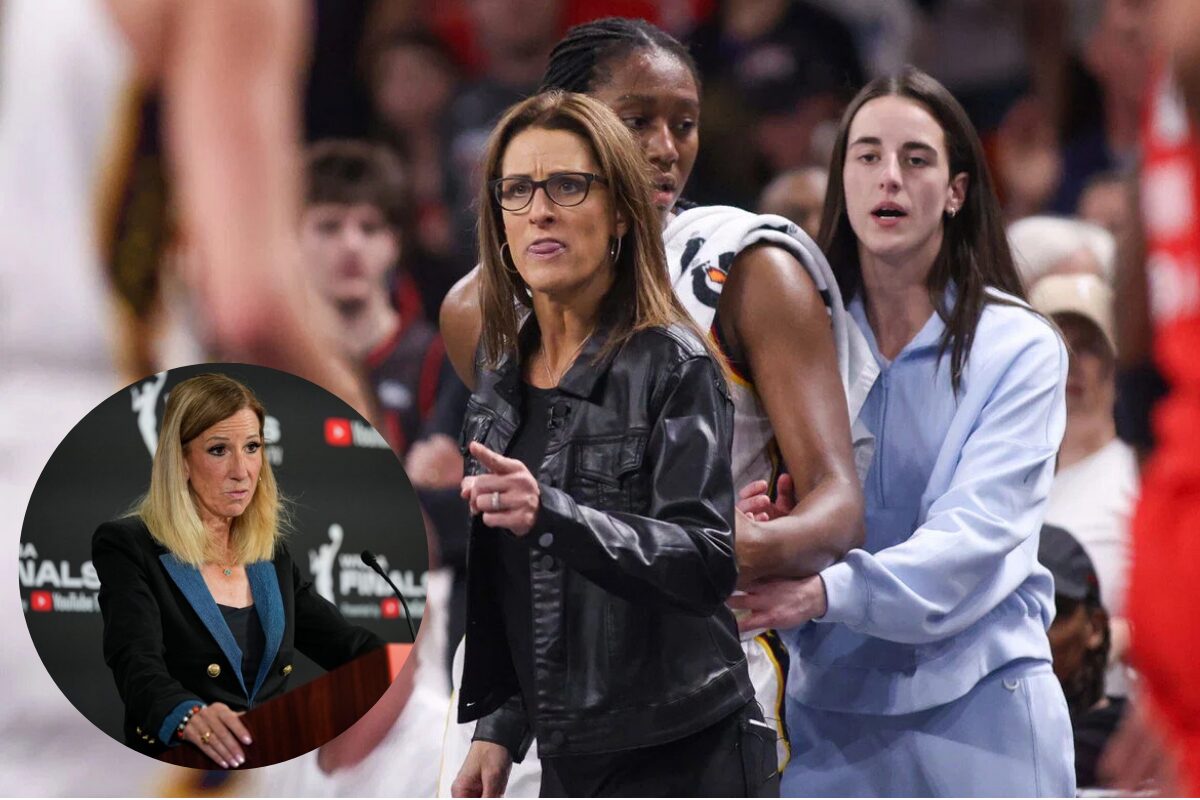
Ever since Alyssa Thomas made contact with Caitlin Clark’s throat, the WNBA has found itself playing catch-up. Amid all the backlash Thomas has faced, her biggest concern remained that she didn’t hear anything from commissioner Cathy Engelbert during this period. Indiana Fever head coach Stephanie White believes this is where the league should have acted first.
Watch What’s Trending Now!
“When there’s a lack of communication, the void is filled with negativity,” the coach said in a conversation with reporters ahead of Fever’s practice on Wednesday. “I think being able to communicate, being able to be the one who reaches out first, is important. So yeah, I’m sure if I was in that situation, I would have wanted to hear from the league.”
“Look, none of us can control social media, the things that we can do to minimize it. Some of us are in a better position than others. Me myself as a coach, I don’t have to get on there. Players – their brands are on there, and so it’s different,” she further added.
Imago
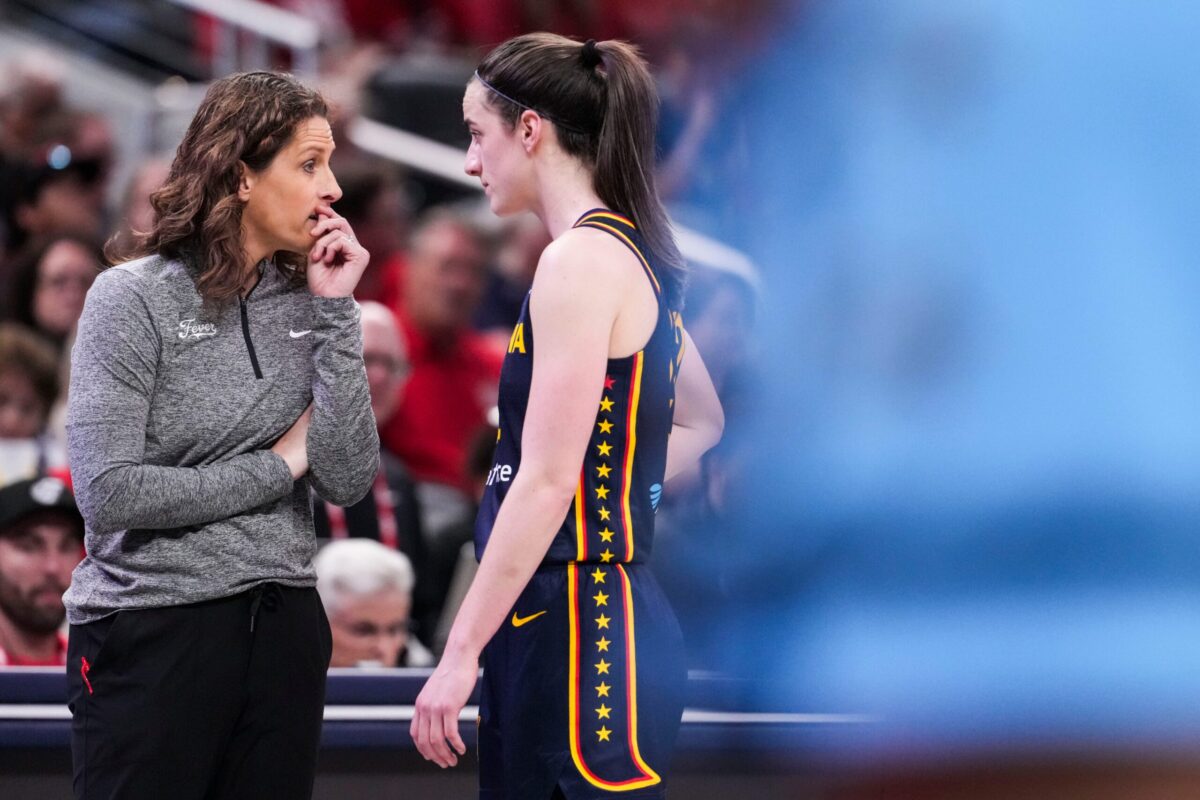
Indiana Fever head coach Stephanie White talks with Indiana Fever guard Caitlin Clark (22) on Thursday, June 11, 2026, during the second half of a game at Gainbridge Fieldhouse in Indianapolis. The Indiana Fever defeated the Chicago Sky, 114-106.
The dangerous play between Clark and Thomas took place when the Fever locked horns with the Phoenix Mercury for the second time. And while it shouldn’t have happened in the first place, Thomas continuously maintained it was a “complete accident.” However, after review, the league punished her for it.
The WNBA upgraded the initial no-call to a Flagrant Foul 2 and suspended Thomas for one game. However, the backlash from fans never stopped, even when she picked up a baseball this week at the Giants vs. Diamondbacks game.
It was only a couple of hours after Thomas’s statement that the commissioner reiterated the WNBA has zero tolerance for such behavior. She explained that the league, along with its security team, “have been in contact with the Phoenix Mercury organization,” as they are committed to protecting their players.
In fact, the WNBA has been actively trying to combat problematic behavior. Last year, they launched the “No Space for Hate” initiative. However, the fallout from the Clark-Thomas incident has shown just how quickly situations can spiral beyond the court.
Thomas has already served her suspension and paid $1000 in fines. But as Stephanie White pointed out, once the conversation moves to social media, the league can only do so much. That’s why getting ahead of situations like these may be the biggest lesson the WNBA takes away from the past week.