
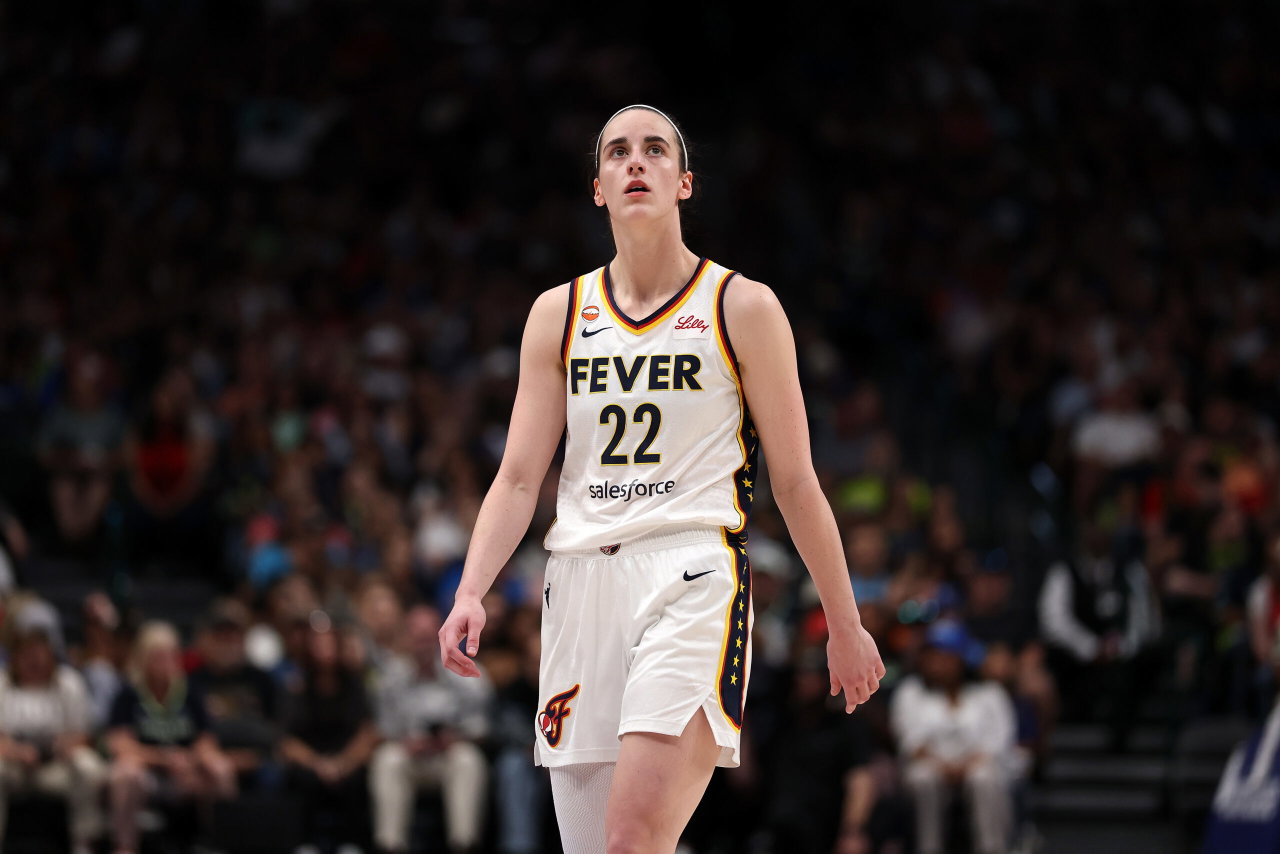
The WNBA has been enjoying unprecedented growth over the past few seasons, with its fan base and mainstream visibility reaching levels the league has never seen before. Some credit Caitlin Clark for helping drive that surge. What is worth noting, however, is that such growth also brings increased scrutiny. And as the league has found itself under a much bigger microscope, not every player appears to be facing the same level of criticism.
Watch What’s Trending Now!
That is where WNBA broadcaster Ryan Ruocco believes the conversation needs to change, particularly when it comes to Clark and Angel Reese.
“For this league to grow, people have to feel comfortable being critical, and it not being a personal attack or hating. And people have to be critical of more than just Caitlin Clark, quite frankly,” Ruocco said in his latest appearance on the Road Trippin’ Show. “In my opinion, most of the ecosystem feels comfortable being critical about one player; maybe two (Angel Reese) would be the other. Everybody else – people are very afraid to say anything bad about, even if it’s a very small micro thing, and that’s not real sports.”
Now, his point was not that Caitlin Clark or Reese should be shielded from criticism. Instead, he argued that genuine sports coverage should allow analysts to break down performances, point out mistakes, and discuss flaws without turning that criticism into a personal attack. And that distinction becomes particularly relevant when looking at the two players who have arguably faced the most scrutiny since entering the WNBA.
Clark and Reese have become two of the most heavily scrutinized players in the league, with almost every performance capable of sparking a much bigger conversation. Take the drama involving Clark and head coach Stephanie White early in the 2026 season, or how her heated moment on the court was blown out of proportion, as an example.
Both Clark and Reese entered the league after becoming major stars in college basketball, with Caitlin Clark’s final season at Iowa and Reese’s time at LSU helping generate enormous attention around women’s basketball. That spotlight followed them into the WNBA, where their performances, rivalry and even individual moments on the court have routinely become larger conversations.
Caitlin Clark, in particular, has often found herself at the center of debates that extend well beyond her box score. Whether it is her performance, turnovers, defense, officiating or an interaction with an opposing player, conversations involving the Fever star can quickly move beyond basketball, which has been more than evident in the ongoing season.
That is precisely why Ruocco believes the league’s growing audience should lead to broader scrutiny rather than simply more attention on its two biggest young stars.
As mainstream coverage of the WNBA has expanded, the league has increasingly been brought into the same daily sports conversation occupied by the NBA, NFL and other major leagues. Defensive mistakes, poor offenses, and questionable decisions are no longer limited to a smaller audience. The challenge, however, is separating sports criticism from personal attacks.
This becomes important as the growing popularity of the WNBA has also led to frequent and growing online criticism and hate. Players across the league have spoken about the impact on their mental health. The league and its players’ association have repeatedly addressed the need to protect players from harassment.
The league even launched its No Space For Hate platform last season, which, according to WNBA.com, is a “multi-dimensional platform designed to combat hate and promote respect across all WNBA spaces — from online discourse to in-arena behavior.”
And that effort highlights the balance the league now has to maintain.
As the WNBA continues to attract a larger audience, more players are going to find themselves under the kind of scrutiny that comes with being a professional athlete in a major sports league. Mistakes will be analyzed, performances will be questioned, and bad games will become part of the conversation. That is simply part of what comes with the league’s growing spotlight.
However, Ruocco believes that the same level of openness should extend beyond Caitlin Clark and Angel Reese, allowing the rest of the league to be evaluated on the basketball as well.