
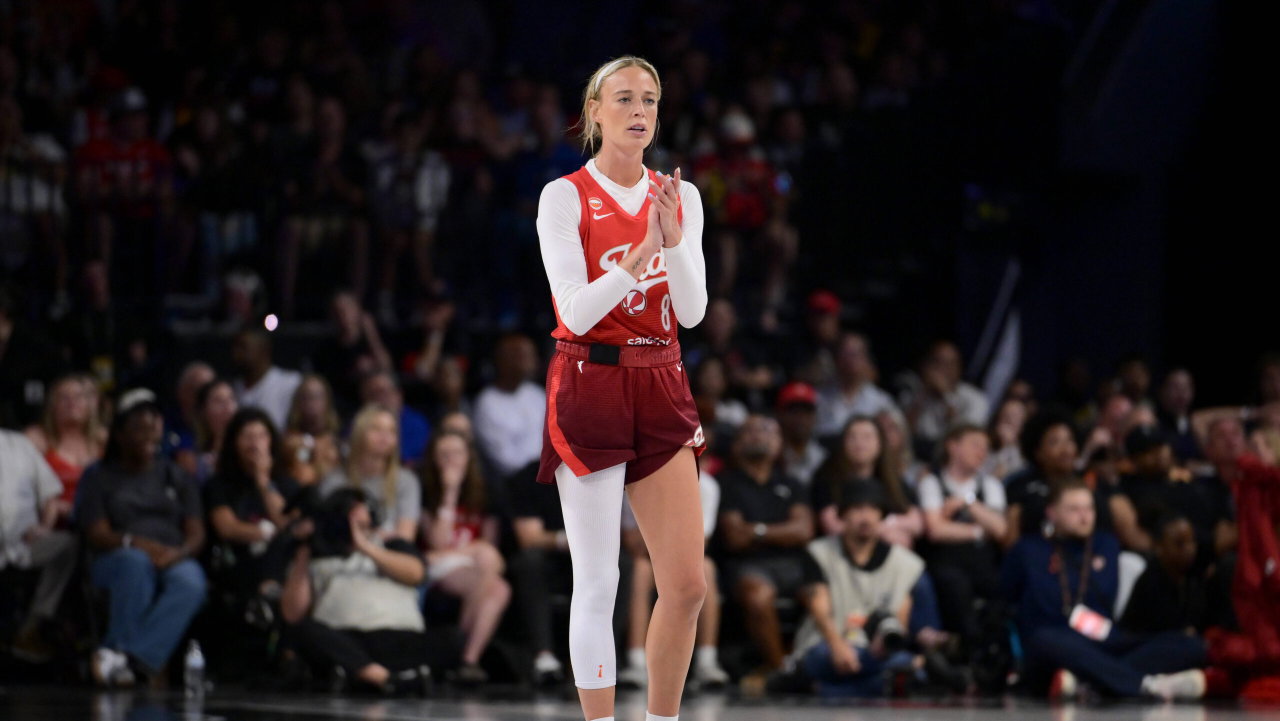
Sophie Cunningham had a conversation with Cheryl Reeve ahead of the Indiana Fever vs Minnesota Lynx game a few days ago, the details of which are still private. The Lynx head coach said she would not like to share the details of the chat with the media, but appreciated that they had an in-person discussion. Now, the Fever player, who remained silent about the discussion till her August 5 practice, echoed Reeve’s sentiments.
Watch What’s Trending Now!
“She just came up, and I respect her for coming up in person,” Cunningham told reporters. “A lot of people hide behind screens. She had stories about her point of view, and I had stories about my point of view. We left with love and respect, and I think that’s what it’s all about.”
Immediately after Minnesota’s 108-100 win, Reeve said they spoke because both understood the responsibility that comes with having a public platform.
“Both of us understand that we have platforms and we both talked about wanting to, more than anything, educate. It was nice to be in person, for sure.”
Both women revealed that despite their differing views, the meeting was anything but confrontational. While neither Cunningham nor Reeve suggested their conversation changed their positions, they described it as respectful and worth having in person. After weeks of public debate, that may have been the one point on which they fully agreed.
However, the controversy has followed the Fever player. Cunningham was booed throughout the contest, especially whenever she touched the ball on the court.
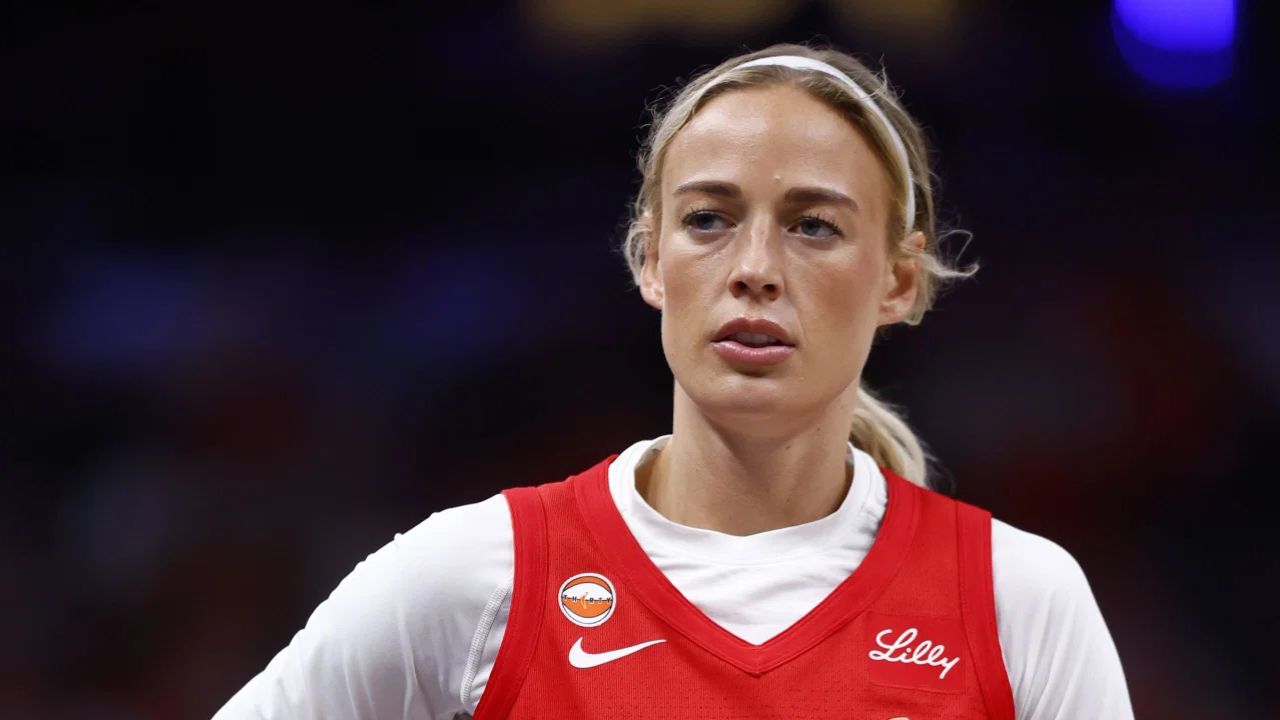
Imago
INDIANAPOLIS, IN – JULY 17: Indiana Fever guard Sophie Cunningham 8 during a WNBA, Basketball Damen, USA game between the Seattle Storm and the Indiana Fever on July 17, 2026 at Gainbridge Fieldhouse in Indianapolis, IN.Photo by Jeffrey Brown/Icon Sportswire WNBA: JUL 17 Seattle Storm at Indiana Fever EDITORIAL USE ONLY Icon071726054
This interaction and aftermath gained traction as Cunningham has been in the spotlight for her July 21 comments on an ESPN profile interview. In that conversation, she shared her views on transgender athletes competing in women’s sports, even as league records showed there are no openly transgender women on an active WNBA roster.
Cunningham said she wanted to protect girls’ locker rooms and women’s sports while emphasizing that she was speaking from her personal beliefs.
“I got a lot of negative feedback about me hating trans. And I’m like, ‘I never once said that.’ I think that I am here to extend love. But I also think with that love is truth, being honest. And I want to protect young girls in a locker room, or young girls in sport who shouldn’t have to go against biological men.”
Cunningham stood by those remarks two days later.
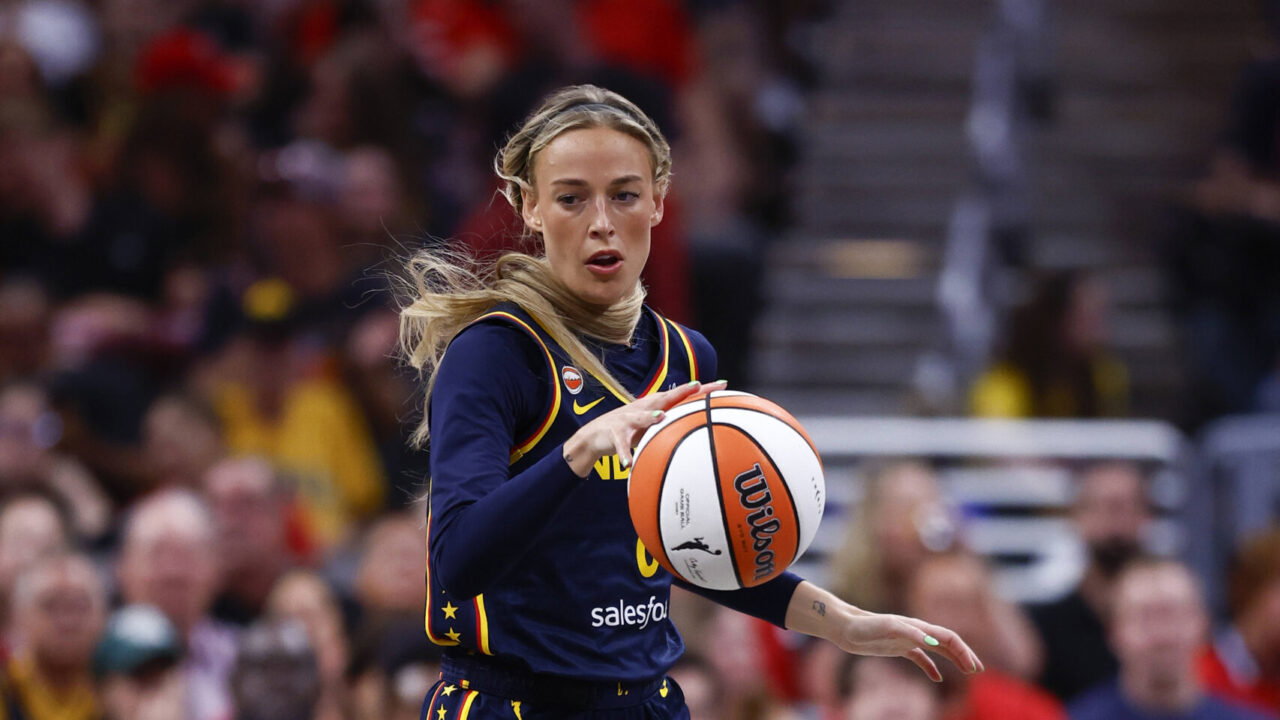
Imago
INDIANAPOLIS, IN – JULY 18: Indiana Fever guard Sophie Cunningham 8 brings the ball up court in the first half of play during a WNBA, Basketball Damen, USA game between the New York Liberty and the Indiana Fever on July 18, 2026 at Gainbridge Fieldhouse in Indianapolis, IN. Photo by Jeffrey Brown/Icon Sportswire WNBA: JUL 18 New York Liberty at Indiana Fever EDITORIAL USE ONLY Icon071826074
“I think I said what I said. I think it’s kind of common sense. And I think I’ll always believe in that,” said the player.
She also said her beliefs came from personal convictions while insisting she did not hate transgender people. The comments quickly became one of the league’s biggest off-court storylines and the debate soon extended beyond interviews, sparking organized rallies at every Fever road game.
This included one outside the Target Center before Indiana’s game against Minnesota. The Lynx head coach also addressed the subject ahead of the game.
She made it clear her disagreement centered on how the issue had been framed rather than simply the debate itself.
“It is not the case that we have, quote, ‘biological men in girls’ locker rooms,’ the way it’s being phrased,” Reeve said during her August 1 media availability. “The innuendo there that somehow transgender women are predators of some kind in the locker room is simply not what’s happening.”
She later added, “I come from a space of inclusion. The narrative that I think is problematic is to suggest that transgender athletes are the biggest problem in women’s sports.”
Reeve also made her stance visible, wearing a light blue “Trans Kids Belong” T-shirt during the game. She had it on during the midcourt exchange with Cunningham ahead of tip-off, and kept it on for the contest
All the focus on Cunningham’s comments has taken away some of the attention from the Fever’s basketball, which has seen Stephanie White being named Coach of the Month and Caitlin Clark earning Eastern Conference Player of the Week honors on two occasions.
This is something Cunningham called out in her chat with reporters after practice. After discussing the issue with Reeve, she shifted her focus away from the controversy and toward the coverage surrounding it.
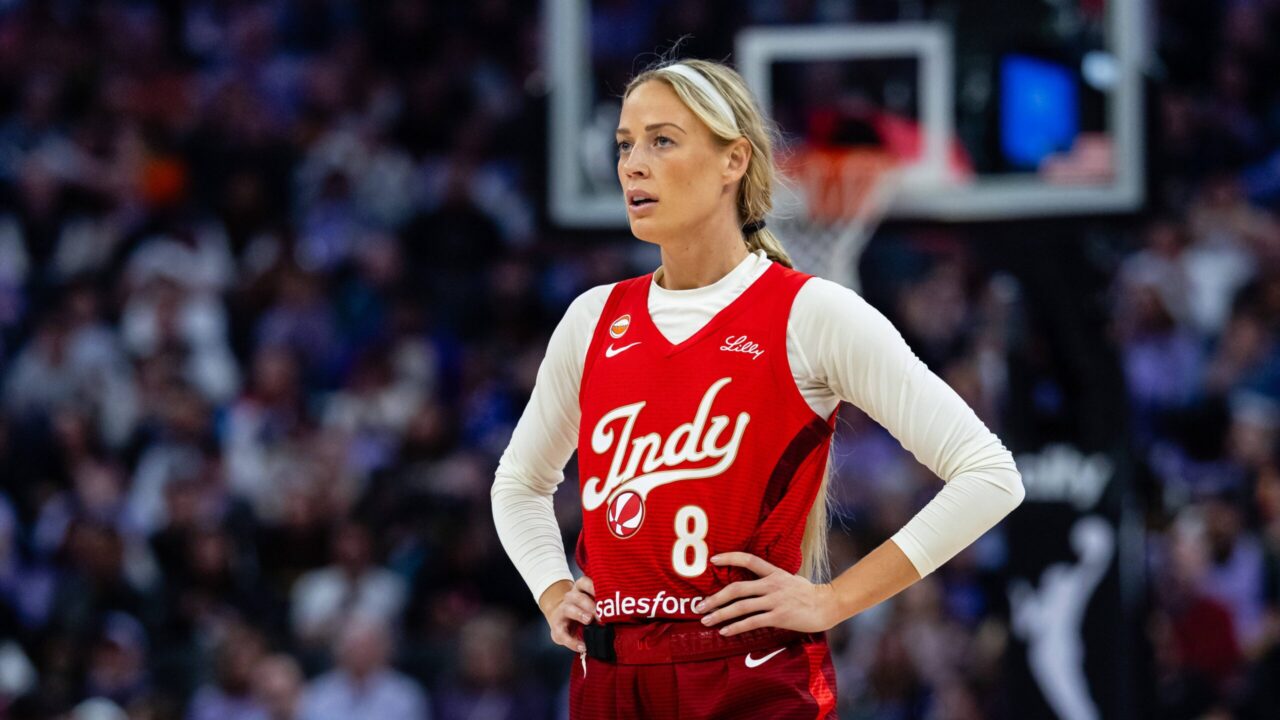
Imago
SAN FRANCISCO, CA – MAY 28: Sophie Cunningham 8 of the Indiana Fever looks on during a game against the Golden State Valkyries on May 28, 2026 at Chase Center in San Francisco, CA. Photo by Matthew Huang/Icon Sportswire WNBA, Basketball Damen, USA MAY 28 Indiana Fever at Golden State Valkyries EDITORIAL USE ONLY Icon260528221
Cunningham pointed out that there is so much good going on in the WNBA, with the Fever breaking history right now. However, according to her, conversations around the sport had become dominated by off-court storylines instead of basketball.
“The WNBA media, all we ever do is cover everything except basketball. You can talk about other things; those are great stories. It shows fans who people are outside of the court, but I think we have to keep the main thing, the main thing.”
Her comments are hard to dismiss. Over the last month, the league’s focus has centered more on her interview, the scrutiny around Cathy Engelbert in the aftermath of the Alyssa Thomas-Caitlin Clark incident, and DiJonai Carrington’s social media post than on the basketball being played on the court.
If Cunningham was asking the WNBA media to keep the main thing the main thing, the last month made her case for her.