
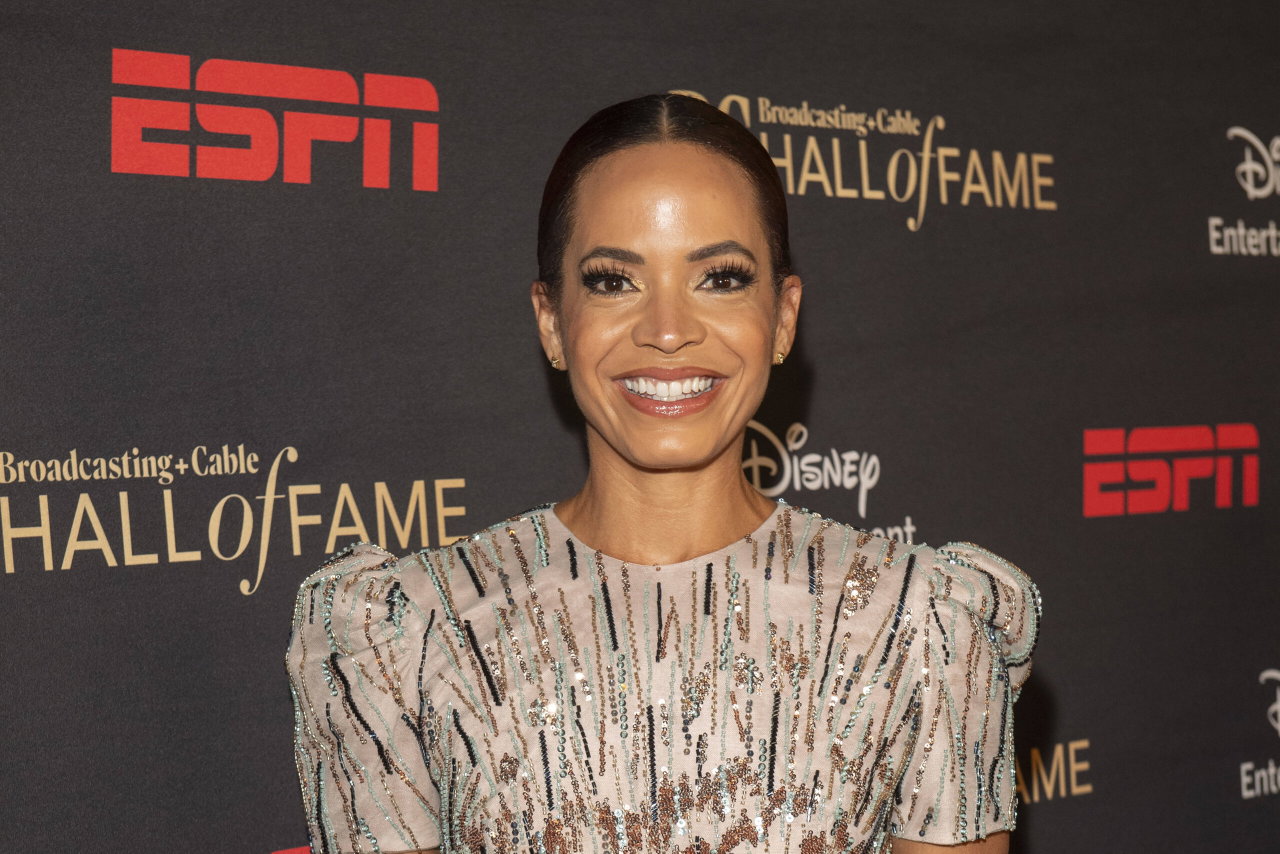
Since 2024, the WNBA has seen a massive surge in popularity, but not all the attention surrounding the league has been positive. In August, former ESPN anchor Elle Duncan described it as “the most toxic space to cover,” a remark she revisited during a conversation with Baker Machado at Front Office Sports’ Tuned In summit on Tuesday. She expanded on the treatment of marginalised communities in the league and called on the next commissioner to work towards rooting these problems out. However, her remarks, once again, did not sit well with many, including OutKick reporter Jon Root.
Watch What’s Trending Now!
“People like Elle Duncan are the problem, but they’re too narcissistic to notice,” Root wrote on X. “The problem with the WNBA isn’t conservatives, who were largely drawn to the league by Caitlin Clark and Sophie Cunningham. The problem is the media & most of its players are just a bunch of woke, divisive, left-wing activists.”
Elle Duncan’s initial comments came at a time when the WNBA was grappling with one of its most divisive debates. Indiana Fever star Cunningham sparked widespread controversy after her stance on transgender athletes in women’s sports and the need to protect young girls in locker rooms. The debate soon spilled beyond the court, with protests taking place outside arenas and former NBA players Enes Kanter Freedom and Royce White publicly declaring for the WNBA Draft before making appearances at games.
“It sucks because it’s not getting any better. It sucks because we thought three years ago, when this started, it will die down. They will see themselves out. Everything will regulate. And we are still here. And that’s why it’s toxic,” Duncan added during her interview with Machado. “It’s a disingenuous space that the people that are talking about the most are not fans and don’t care. They are literally there as opportunists to be divisive. And it’s working. That’s why it’s toxic because I love it and hate it all at the same time.”
She further pointed her finger at “opportunists” who single out “black and queer” players, saying, “It feels like open season to dunk on Black women because we do not have protection. Because no one cares. Because we are low-hanging fruit. Because it is very easy to dunk on us since we are, I would say, outside of transgender people, the most marginalized of the marginalized groups.”
Besides Root, women’s basketball content creator Rosalina Lee, who has written for Sports Illustrated’s Indiana Fever coverage, also criticized Duncan’s remarks.
“You don’t get to light a match and walk away from the flame. She was part of the problem,” Lee wrote. “If you’re going to speak on the problem, tell the whole story, not just half that serves your narrative. Otherwise, you’re not helping solve anything. You’re helping it grow.”
Meanwhile, Let’s Talk Sports interpreted Duncan’s remarks as hostility towards Caitlin Clark and Sophie Cunningham, posting: “Elle Duncan wants Sophie Cunningham and Caitlin Clark gone.”
Many have pointed to Caitlin Clark’s arrival in 2024 as a turning point in the WNBA’s growing culture-war divide. While the Indiana Fever star helped bring record-breaking viewership and unprecedented attention to the league, her rise also intensified debates that often extended beyond basketball.
Kelsey Mitchell, too, talked about this in her exit interview. “Playing with CC and having the eyes that she got, we get a lot of flak for just being on her team,” she began, adding: “If I showed y’all my DM’s about the hate, and all of the stuff that comes with being a professional athlete—but specifically being an Indiana Fever basketball player—it’s a lot that goes into that.”
Mitchell’s remarks prompted further debate, with even Courtney Williams questioning the discourse. “She [Mitchell] had one of her best years once Caitlin Clark got there,” Williams said.
Clark, meanwhile, has repeatedly pushed back against using her name to advance agendas beyond basketball. And she didn’t dismiss Mitchell’s feelings, either.
“As her teammate, that makes you upset, because you care about your teammates so much,” Clark said. “You don’t want any of them to go through something like that. For the people that follow me, obviously there is such a microscope on me, and that comes with everybody else that I’ve been teammates with, whether that was my time at Iowa or whether that’s been here. It comes with a lot of really great things and then at times there are some negatives.”
Duncan brought up what those “negatives” mean for other players with Machado, adding, “It’s twofold for them—so you get to lift this one person up, and you get to, ultimately, reduce everybody else that isn’t her to nothing”.
Her remarks have drawn support as well, with reporter Aya Abdeen posting, “LET HER COOK 👇 #WNBA.”
However, despite the toxicity she sees surrounding the league, Elle Duncan believes the answer is not to walk away but to keep supporting the WNBA through the controversy.
“Still support, still watch the games, still buy their merch, buy their apparel. That’s how you get these bad faith characters out of here,” she said. “You are bullish in the fact that you’re gonna keep supporting this league. You do not throw your hands up and go, ‘Well, never mind, I just, it’s too toxic, and I can’t deal with it because I need to protect my peace.’ The only way through this is through this.”
As for what the league needs to do, she was clear on how the goals for the next commissioner need to be “twofold”.
“The first thing is figuring out how we work on this divisiveness, how we wrestle the narrative back. The second thing would be connecting the players and owners,” Duncan said.
So Duncan’s message is clear: the league cannot move past its divisions if those who love it walk away. Whether fans agree with her assessment or Root’s criticism, the debate reflects the very tension that Duncan believes has made the WNBA so difficult to cover.