
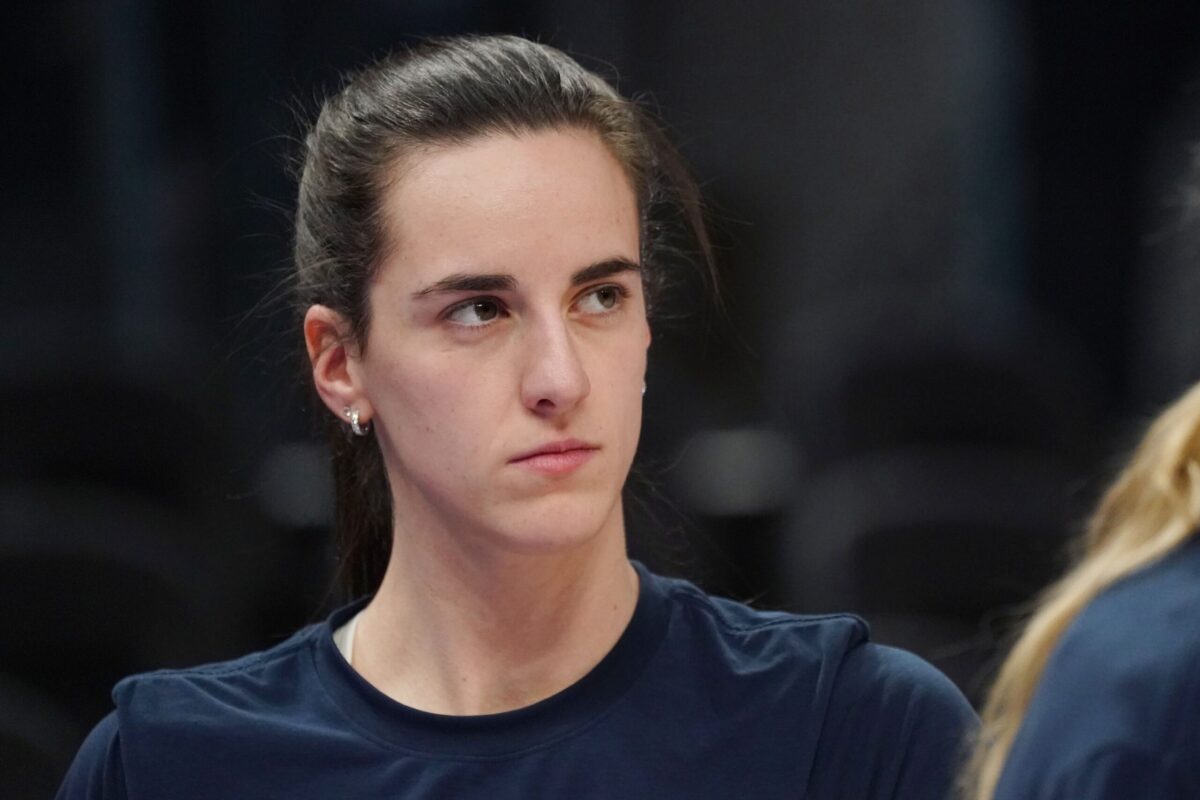
The Alyssa Thomas-Caitlin Clark incident has reignited questions around player safety and officiating, but for WNBA analyst Rachel Annamarie DeMita, one concern stood out above the rest. Speaking on the Friday episode of her Courtside Club podcast, she first turned the conversation toward what repeated incidents like these could mean for Clark before reflecting on how the latest controversy had also changed her own view of WNBA officiating.
Watch What’s Trending Now!
“How is her mental right now when you go out on the court and feel like you’re not being protected? Coach Stephanie White said it after the game, too—cheap shots, disrespectful. She’s not officiated the same way as other stars in this league, and she should be. She should have a whistle that protects her, keeps her on the floor, and allows her to play her game.”
While DeMita framed it as a question rather than a conclusion, her concern ties into what Clark herself has already said about the mental side of dealing with injuries. Earlier this season, the Fever guard admitted that coming back from multiple soft-tissue setbacks had been “a real mental challenge,” explaining that rebuilding confidence in her body has been just as important as the physical recovery. She also shared that she’s still working through “the mental hurdle of trusting my body” after time away from the court.
Those comments were about injury recovery, not officiating. Clark hasn’t publicly linked her mental state to how games are called or the physicality she faces. But DeMita’s point is that constantly taking hard, uncalled contact could make that process even tougher for a player already trying to regain confidence. That concern is what ultimately pushed her into questioning the league’s officiating more broadly, despite previously believing it had improved earlier this season.
“I actually thought officiating in the WNBA had gotten better because, early in the season, they were blowing the whistle a lot more. It was adding value to the game. We even saw how much they overcorrected in Monday’s Fever-Mercury game, so I honestly thought that would carry into Wednesday’s game, and it didn’t. When you step back and look at it, it’s just sad that we’re still having conversations like this and that moments like these continue to dominate social media.”
DeMita had actually come away from Monday’s first meeting between the Fever and the Mercury feeling optimistic about the direction of WNBA officiating. Yes, officials had been quick with the whistle, both in that game and throughout the early part of the season, but she viewed it as the league making a conscious effort to rein in unnecessary physicality. With emotions already running high between the two teams and several technical fouls issued on Monday, she felt the officiating crew had recognized the game’s intensity and responded accordingly.
That is why Wednesday’s rematch left her so surprised. Given everything that had unfolded just two days earlier, DeMita expected officials to carry that same level of awareness into the second game. Instead, one of the night’s most controversial moments came when Alyssa Thomas made contact with Caitlin Clark‘s throat during a loose-ball scramble without a foul being called. For DeMita, that no-call completely undercut the confidence she had begun to build in the league’s officiating and shifted the conversation back to the inconsistency that has repeatedly come under scrutiny.
As DeMita pointed out, it is deeply unfortunate that incidents like these continue to overshadow the basketball itself and become the dominant conversation surrounding the league. And until officiating concerns are addressed with greater consistency, debates like this are unlikely to fade anytime soon.