
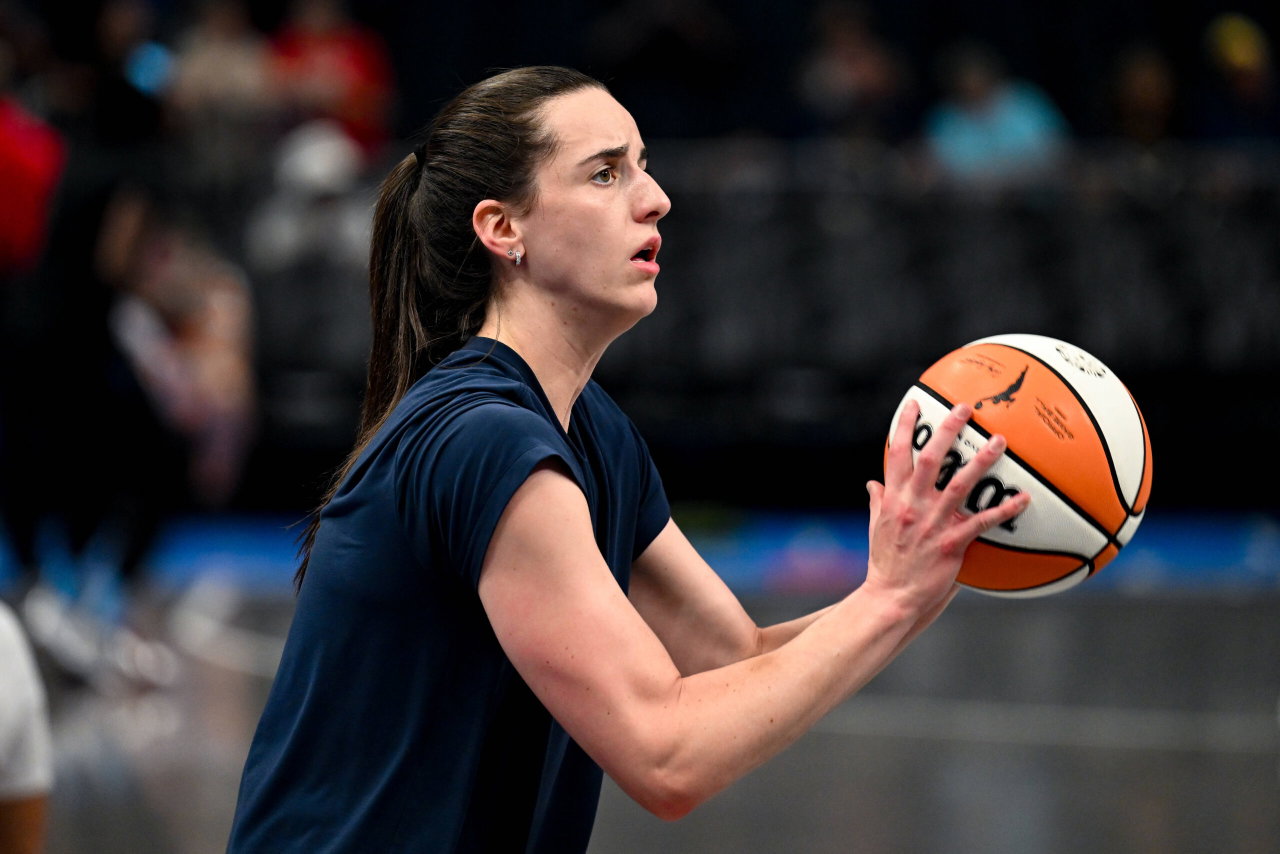
Officiating in the WNBA has been a point of contention for the entire 2026 season, especially when it comes to Caitlin Clark. Now that debate has spilled into international competitions as well, as Team USA heads to the FIBA World Cup in Berlin, Germany. Let’s understand the context first.
Watch What’s Trending Now!
Cindy Brunson, the longtime Phoenix Mercury play-by-play announcer, had earlier posted on Threads that “the freedom of movement whistles do not travel outside the U.S WNBA soil.” The account BrickCenter fired back, accusing WNBA media of hoping “Caitlin Clark gets bodied on Team USA.”
Now, Brunson has chosen not to back down. “Why are you so obsessed with what I say on Threads?!?” she wrote in response on August 31.
“I was literally talking about how our guards Rhy, Jack, PB5 and Soni can actually put folks in handcuffs w/o worrying about the freedom of movement whistle,” Brunson added. “FIBA is PHYSICAL and players only get 5 fouls instead of 6.”
And she’s right about the number. Under FIBA’s rulebook, a player fouls out after five personal fouls, compared to six in the WNBA.
Her original comment referenced the WNBA’s own “freedom of movement” push, a set of officiating changes introduced before this season to cut down on physical contact after complaints from players and coaches. The rules have led to more whistles league-wide, and nowhere has that shown up more than around Caitlin Clark and the Fever.
Indiana leads the WNBA in personal fouls per game this season, and Clark is tied with Chicago’s Angel Reese for the most technical fouls in the league at seven, one shy of the eight-technical threshold that triggers an automatic one-game suspension.
Officiating around Clark has already become a national story. In June, Phoenix Mercury forward Alyssa Thomas struck Clark in the throat during a game, a play the league upgraded to a flagrant foul 2 after review. Eleven members of the House Republican Study Committee wrote to Commissioner Cathy Engelbert weeks later, demanding the league address what they called a pattern of physical hostility toward Clark. Clark herself has tried to stay above the noise.
“I did think it was a flagrant foul, and our reffing just needs to be better,” she said afterward. “It’s tough. Obviously the refs are in a really difficult spot. It’s one of the hardest jobs in the world, in my opinion, is to make calls. All you do is get yelled at the whole time by everybody. You’re never winning.”
Now, none of that follows Team USA to Berlin, where Clark will play under a different rulebook and, according to Brunson at least, a different whistle entirely. Whether that turns out to be true is something Clark and her teammates will find out in real time, five fouls at a time.