
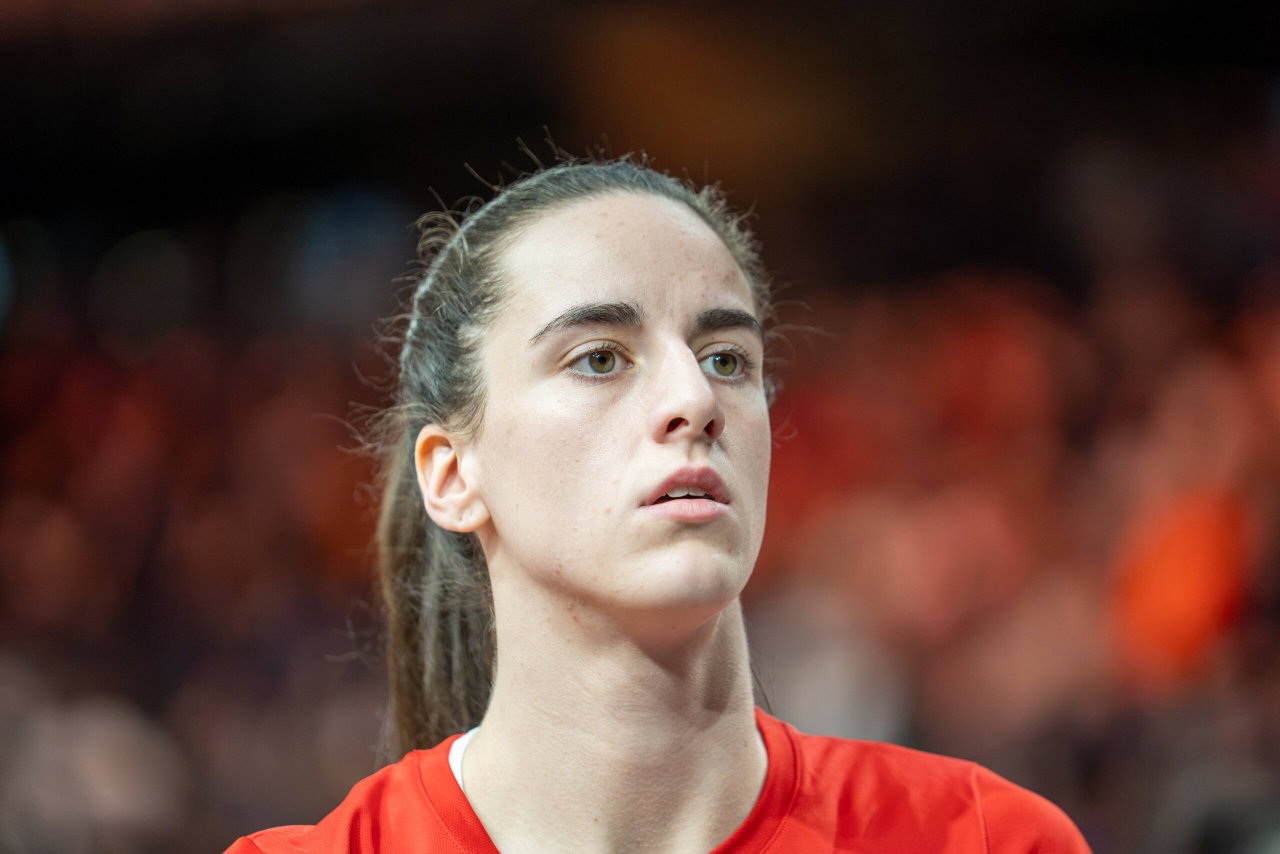
It does look like Elle Duncan was being sympathetic toward Caitlin Clark when she said it was unfair that the Indiana Fever star had found herself at the center of the seemingly never-ending controversy surrounding a toxic subset of her fans. She described these fans as using Clark as an avatar to push their own racial and cultural agendas rather than focusing on basketball.
Watch What’s Trending Now!
For WNBA broadcaster Robin Lundberg, however, Duncan’s comments do not appear to be helping the situation surrounding Clark in any way. If anything, he believes they may have escalated a controversy that has followed the young star since she entered the league.
“Caitlin Clark has handled everything better than anyone else,” Lundberg wrote in reaction to a video of Duncan’s statement. “How is calling something unfair and then fueling it productive?”
Elle Duncan made the remarks during a recent interview with Front Office Sports. In her assessment, some of the issues and narratives now associated with Clark’s fan base existed in the WNBA long before the young star arrived. She also acknowledged that Clark has repeatedly found herself in the unfortunate position of having to speak out against people who use her name to justify views she does not support.
“I think that Caitlin Clark has been put in a completely unfair situation,” Duncan said. “At the time when she came into the league, a 21, 22-year-old woman from Iowa, to understand why this was happening to her and why this is happening to all the other women in the league, it is so complicated. It is so nuanced.”
“It is long before Caitlin Clark ever stepped foot on a WNBA court that some of these ideas and narratives have been out there, but they used her as an avatar. And I think it’s not fair.”
“I also think that to whom much is given, much is expected. And I think Caitlin understands that as well. And so she has had to have been put in the unfortunate circumstance that she’s got to speak out, that she has to continue to say, I don’t believe these things. I was not raised this way. You do not speak for me. You do not represent me,” she added.
However, from Lundberg’s perspective, Duncan’s broader comments on the issue may have fueled the very controversy she appeared to be acknowledging rather than offering a sympathetic or exonerative assessment of Clark herself. In fact, another portion of the same interview appeared to associate Clark’s arrival in the WNBA with the culture war Duncan criticized, raising questions about whether her comments were ultimately helping the Fever star or adding another layer to the debate surrounding her.
Duncan described the WNBA as “toxic as hell” and suggested that the problem had persisted since the period when Caitlin Clark entered the league. Although she criticized the reduction of women’s basketball to a culture war, her reference to the controversy beginning three years ago appeared to connect the issue to the surge in attention surrounding Clark.
“It’s toxic as hell,” Duncan said. “This community that really truly doesn’t exist anywhere else. And to have it deduced to a culture war is disgusting. And it sucks. It sucks because it’s not getting any better. It sucks because we thought three years ago, when this started, it will die down. They will see themselves out. Everything will regulate. And we are still here. And that’s why it’s toxic.”
As Lundberg pointed out, such remarks risk further fueling an already contentious debate that has followed Clark since her WNBA arrival. The Fever star has repeatedly spoken out against racist rhetoric, harassment, and discrimination carried out by people who attempt to use her popularity to justify their behavior. She has also made it clear on multiple occasions, including during the current season, that she does not support such conduct and does not want her name associated with it.
Perhaps Lundberg’s criticism is rooted in the belief that Duncan’s comments, regardless of the intention behind them, have added fuel to an existing controversy rather than helped resolve it. And his was not the only objection to Duncan’s assessment.
Her remarks also attracted criticism from other WNBA media personalities and commentators, including Linda Cohn, who challenged the negative framing of Clark’s fan base and called attention to the significant commercial benefits the player’s popularity has brought to the league.
Elle Duncan Faces Backlash From Linda Cohn and WNBA Analysts Over Caitlin Clark Comments
One notable sports media personality who was quick to push back against Duncan’s comments about Clark was Linda Cohn. Cohn, who has consistently defended Clark and highlighted her impact on women’s basketball, took issue with Duncan’s characterization of the Fever star’s fan base. She argued that the increased interest in the WNBA following Clark’s arrival has translated into substantial commercial success for the league, making it important to acknowledge the positive side of her influence as well.
“Here’s something I wish Elle Duncan would talk about more, which I have yet to hear, especially in that interview,” Cohn said. “How about the other side of the story? How about what Caitlin Clark and her enormous fan base have actually done for the WNBA?”
“The increased attention, the television audiences, the sold-out arenas, the merchandise sales, the opportunities that come with all of that, the charter jet that’s for all the players, the new CBA. Why does the conversation always seem to come back to the negative? Elle, you’re better than that, I think,” she added.
Apart from Cohn, WNBA analyst Rosalina Lee also pushed back against Duncan’s statement. In fact, Lee appeared to take a position similar to Lundberg’s, arguing that Duncan was fueling the very narrative she was criticizing rather than offering a complete account of the situation.
“You don’t get to light a match and walk away from the flame. She was part of the problem,” Lee wrote. “If you’re going to speak on the problem, tell the whole story, not just half that serves your narrative. Otherwise, you’re not helping solve anything. You’re helping it grow.”
Duncan’s remarks also did not sit well with OutKick reporter Jon Root, who offered a blunt assessment of the ESPN broadcaster’s position.
“People like Elle Duncan are the problem, but they’re too narcissistic to notice,” Root wrote on X.
It appears that the discussion surrounding Clark’s place in the WNBA has taken another contentious turn. Duncan has, however, not publicly walked back her comments or apologized for her statements.