Imago
IMAGN
Imago
IMAGN
The CBA deadlock continues as we head into the middle of February. Normally, by this time, free agency begins to take shape, and contracts start getting announced by teams. However, the CBA negotiations have taken center stage, with Unrivaled Basketball and the AU Pro Basketball league currently providing women’s basketball action for the fans.


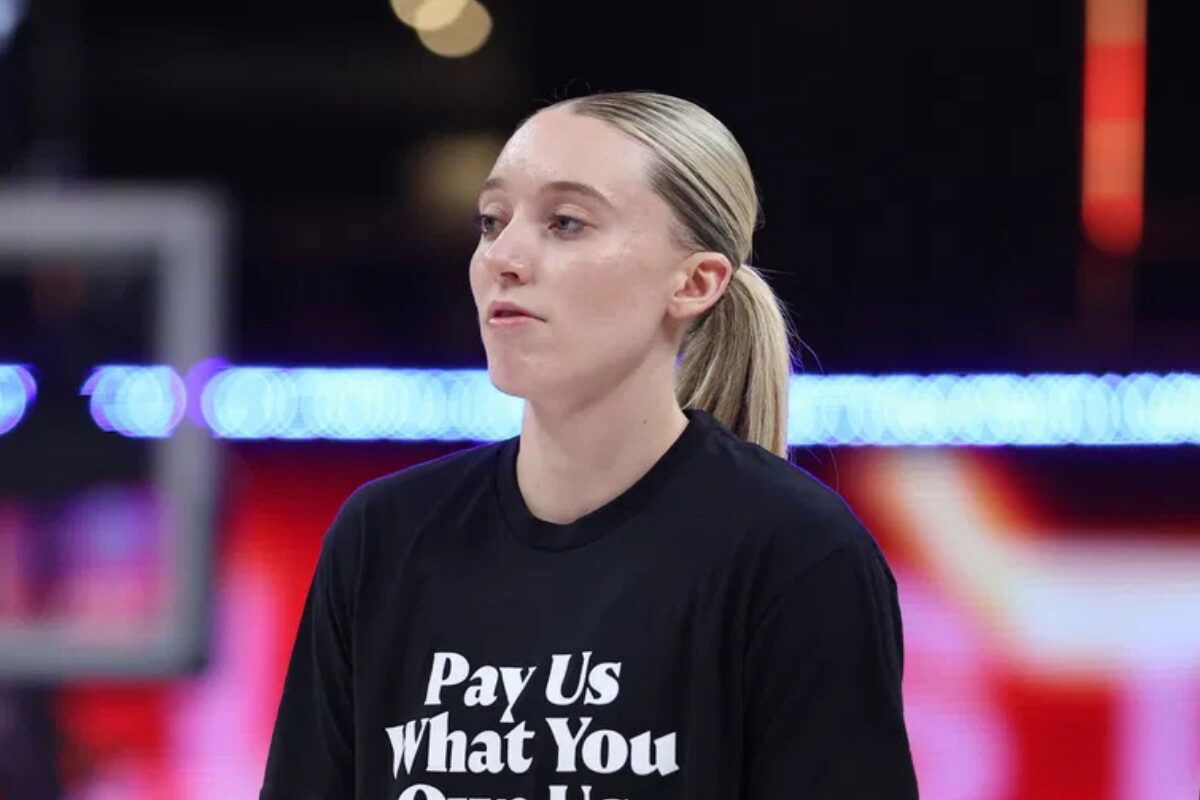
The WNBA players have held out for a long time, but doubts are starting to creep in about whether the 2026 season will happen and whether it will be a curtailed season because of the delays. ESPN reporter Katie Barnes attended the Athletes United Pro Basketball league in Nashville and discussed growing concerns about the lack of a CBA.
Watch What’s Trending Now!
26 of the 40 participants in the AU Pro Basketball league were playing in the WNBA last season, and Barnes collected honest thoughts from them while maintaining their anonymity.
“On a scale of 1-10, how confident are you that there will be a full WNBA season?” they had asked.
The average score was a 6.1. One pessimistic outlier answered with a 2, as the most common answer was a 5. And while this reflects the cautious, wait-and-see mood as negotiations continue to stall, a few responses stood out for their surprisingly blunt tone. Here’s what players told the journalist:
- “I think we’re gonna have a season. I don’t know if it’ll be the whole season.”
- “I feel like we’re asking for a lot. I know we deserve it, but at the same time, it’s kind of like we’re kind of getting greedy. We’re doing a lot of asking. I feel like we need to do a lot of doing.”
- “I’m going to lean more towards the positive side. So I’m going to say an 8 because I know the amazing people that we have to support us — the women in the [negotiating] chairs.”
- “Full W season? I feel pretty confident. Um. … Full? I feel like a 9.”
Now, the comment was made anonymously, so we don’t know which player said it. But at a time when unity is the union’s biggest strength, with players expected to stand together, the remark certainly raised a few eyebrows and sparked plenty of conversation.

Imago
Aug 30, 2025; San Francisco, California, USA; Golden State Valkyries fans hold signs to “make the season long and the teams bigger” and “pay them what you owe them” during the fourth quarter against the Washington Mystics at Chase Center. Mandatory Credit: Kelley L Cox-Imagn Images
For now, though, moving on…
Barnes also asked what their primary concerns were within the CBA. The players cited housing and retirement benefits as the two main contentious points for them. The latest WNBA proposal regarding the CBA does include housing concessions for WNBA stars. Meanwhile, the players’ union is focusing on terms like revenue sharing and the salary cap.
The WNBA did not budge from its previous terms regarding revenue sharing and salary cap, which is also the case with the players’ union. The WNBPA is also rumored to be planning a strike to bring more attention to the issue during the NBA All-Star weekend.
A few players also highlighted the concern that the entire disagreement could lead to a lockout, which could seriously affect the players who do not have other commercial avenues. Some even pointed out that while they felt well represented by the players’ union, it was also a case of the biggest stars pushing for the most beneficial terms, whereas the other players would be more affected in case it did not work out.
Overall, it looks like there are a few players who are starting to feel like their own players’ union’s demands are a little too much for the league to accept, since it’s a giant leap from the previous CBA proposal. The WNBA has been prepared to provide 60% of the net revenue instead of the 30% of the gross revenue that the players’ union is demanding, with the governing body’s argument that a portion of net revenue ensures financial stability for the league.
However, there still remains some optimism.
WNBPA vice president Breanna Stewart admits to positive CBA movement
The WNBPA had been waiting for over a month for a response from the WNBA after submitting its suggestions on the CBA terms. The latest meeting provided no resolution. But the governing body finally submitted a revised proposal to the players, including new things like housing concessions for the players.
While several members of the players’ union have come out and expressed their disappointment at the proposal, providing no updated terms of revenue sharing and salary cap, Breanna Stewart has chosen to look at the positive side of the entire proposal.
Stewart has recognized that the proposal has included improved terms for the players, stating that she is more hopeful of a resolution after seeing the league and the owners show they are starting to listen to the players’ needs and advice.
Further, she also highlighted that since they are looking to operate in a revenue-sharing model, regardless of the exact terms, a curtailed season would also reflect in the overall financial package since missing games will end up in reduced revenue generation.
Breanna Stewart is trying to be as involved as she can and hopes that the players and the governing body can come to a mutually beneficial CBA resolution.
Written by

Edited by

Deepali Verma