
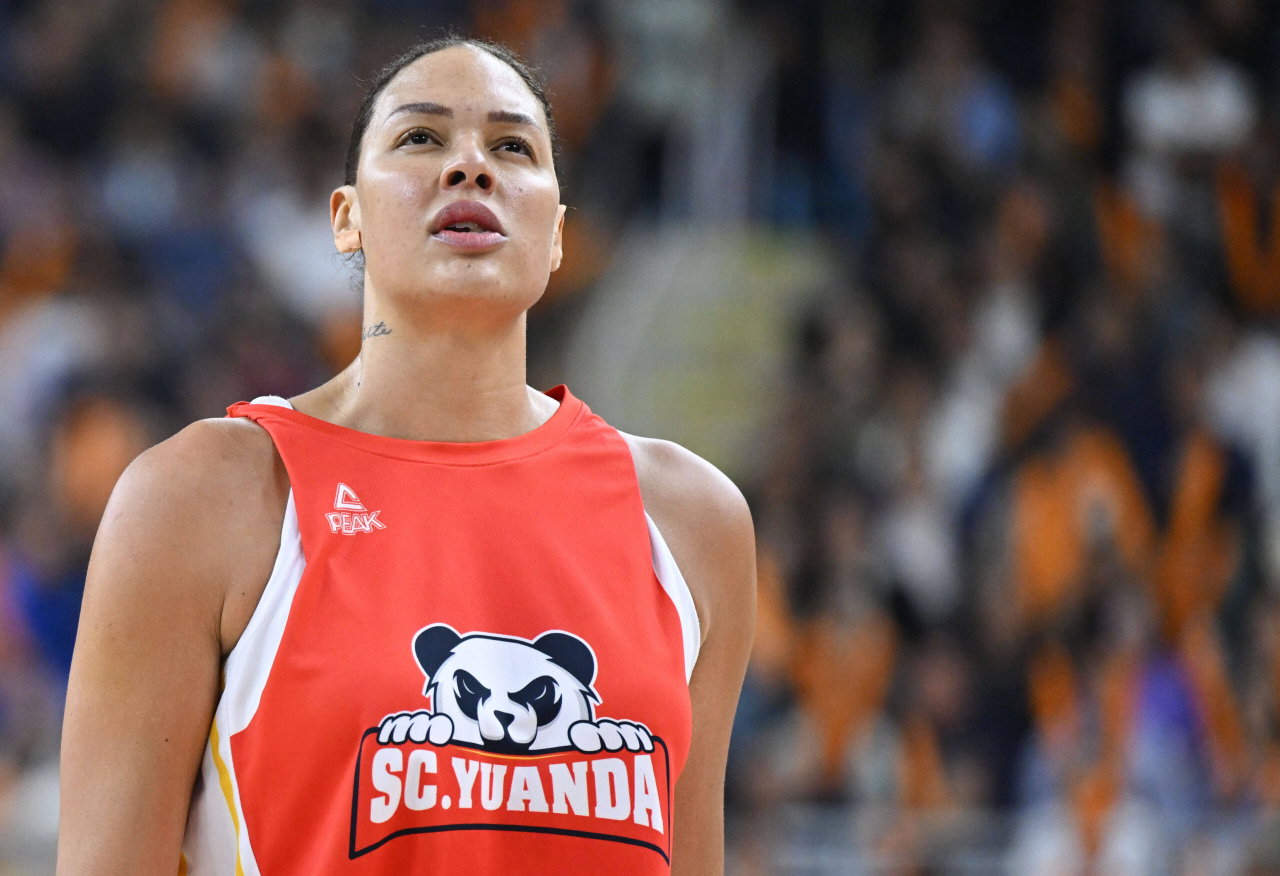
Liz Cambage was already an All-Star by the time she was 19. The Tulsa Shock drafted her second overall, and she quickly made her mark in the WNBA. But behind that early success was a struggle she had been dealing with since her teenage years. In a 2019 Players’ Tribune essay, Cambage opened up about her drinking habits as a teenager, revealing that her first attempt at sobriety came at just 18.
“Are people really ready to talk about how, starting at around 15 years old, I would just get blackout drunk some nights? Or that I’ve woken up with an IV in my arm, after a weekend of partying, not being able to remember a thing? Or that my first attempt at sobriety was at 18?” Cambage asked in her 2019 Players’ Tribune essay.
The questions are the point. Cambage argued that people say they are comfortable with mental health talk, but few want the uncomfortable details. “We’re comfortable with the general idea that mental healthcare is important,” she wrote.
But underneath that, she added, “there’s still a lot of stuff that I think we don’t see, and don’t talk about.” Her drinking was one example of that unseen part.
For Cambage, those struggles were not confined to drinking. Basketball Network reports that she turned to alcohol for comfort, often partying so hard that she woke up with no memory of the night before. Her own essay also offered a glimpse into the loneliness she experienced during her rookie season.
She spent almost every night alone and in tears, locking herself inside her house for hours at a time. Away from the cameras, that isolation and her drinking struggles were becoming part of the same difficult experience.
Imago
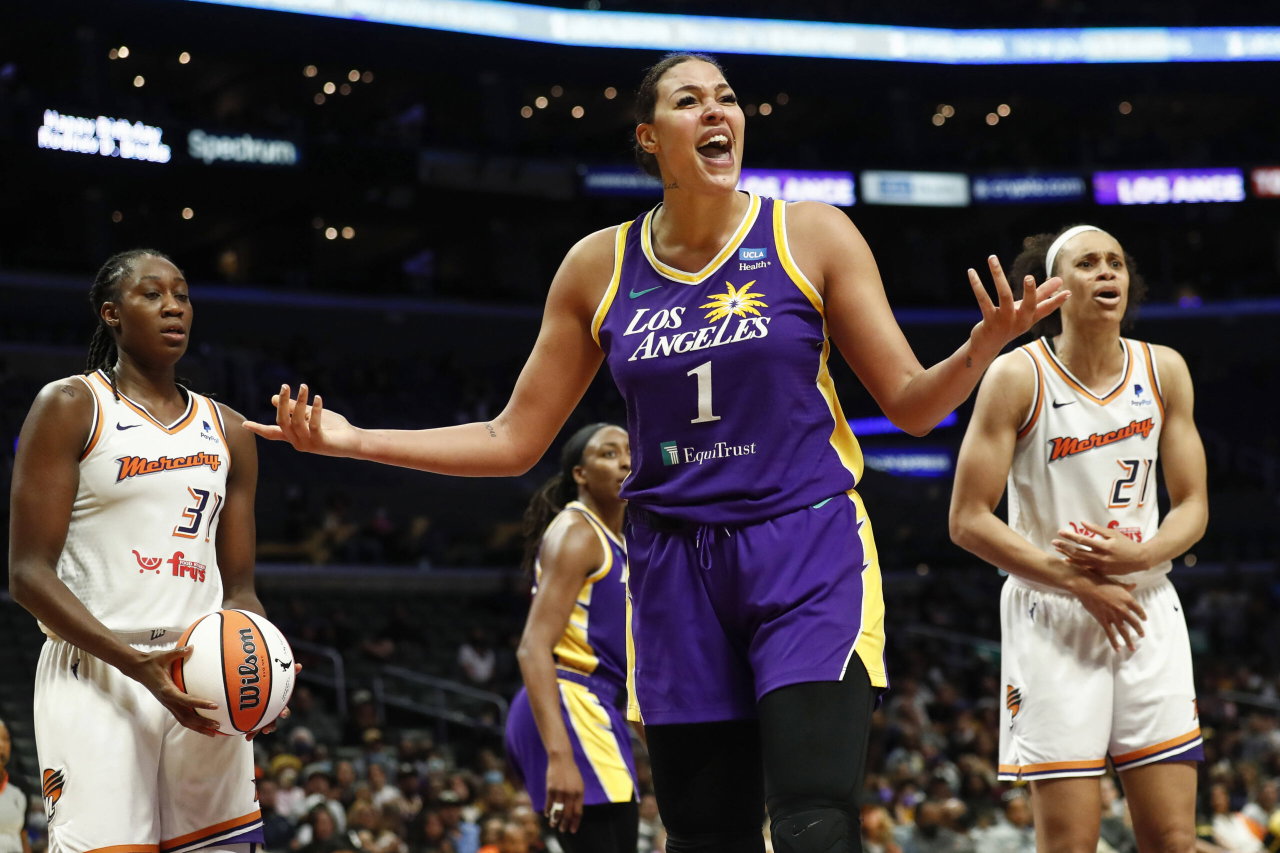
USA BASKETBALL WNBA, Basketball Damen, USA Phoenix Mercury vs Los Angeles Sparks epa09976268 Los Angeles Sparks center Liz Cambage C reacts to a call during the fourth quarter of the WNBA basketball game between the Los Angeles Sparks and Phoenix Mercury at Crypto.com Arena, in Los Angeles, California, USA, 25 May 2022. Los Angeles United States PUBLICATIONxINxGERxAUTxINDxONLY Copyright: xCAROLINExBREHMANx
The details hit harder because of who she was. The Shock picked Cambage behind UConn’s Maya Moore, and she averaged 11.5 points and 4.7 rebounds as a rookie. She went on to four All-Star selections and two All-WNBA honors, and she won the league’s scoring title in 2018.
She first walked away from the league in 2013, returned in 2018 with the Dallas Wings, and later played for the Las Vegas Aces and Los Angeles Sparks. She left the WNBA again in 2022 and continued her career in Israel and China.
Cambage’s experience is not an isolated one. Other former WNBA players have also spoken about their struggles with alcohol after stepping away from the game. Last July, Leslie Johnson told WRTV in Indianapolis that she battled alcoholism after her playing career ended. “I just put it all in the bottle,” she said.
Johnson says she has been sober for 13 years, and she now runs Hushed No More, which raises mental health awareness among athletes. Her group joined local organizations for an event in Indianapolis just before WNBA All-Star Weekend.
The culture is changing. Athletes like Terry Bradshaw, DeMar DeRozan and Chamique Holdsclaw have spoken about depression and anxiety, and the old rule of silence has started to break. But Cambage’s essay went beyond simply acknowledging mental health struggles. She also challenged how the league approached them.
Cambage’s Mental Health Message Went Beyond Drinking
The essay was not only about alcohol. Cambage wrote it after sitting out two Aces games in August 2019, which the team had listed as “Did Not Play-Rest.” She said the more honest label would have been “DNP-Mental Health.” She wanted to share “the truth of what’s been going on with me” rather than say “just enough” to make people stop asking.
She used a picture from home in Australia to explain it. A rip current, she wrote, can turn “a normal sunny day at the beach” into deep water before you notice. “It’s also the closest I can come to describing what it’s like when I’m depressed,” she wrote.
She did not stay away long. Cambage returned to the court that same week and scored 28 points with 11 rebounds in an 87-84 win over the Chicago Sky, according to AAP. Two days later, she had 21 points and 12 rebounds in a win over the Connecticut Sun.
Her message looked past her own situation. She praised the NBA for requiring a mental health professional on every team, and she questioned why the WNBA had no such rule. “Isn’t mental healthcare just elemental?” she asked.
Her closing words were plain. “She was day-to-day with anxiety and depression,” she wrote about herself, “and she still is.” Then she added, “And you know what? That’s O.K.”