
Imago
Credits: IMAGO
Imago
Credits: IMAGO
The tone was playful. The timing was not accidental. On February 14, the Women’s National Basketball Players Association posted a Valentine’s Day-themed message on Instagram aimed squarely at the WNBA and its latest collective bargaining proposal. The post did not name numbers. It did not cite clauses. However, it left little doubt about what the union wants.
Watch What’s Trending Now!
“Roses are red, violets are blue, we’d love a proposal that values players too.” A second slide read, “This ‘situationship’ has gone on for too long.” A third added, “Maybe it’s time to ‘Make it Official.’” The subtext was clear. Negotiations are ongoing. Progress exists. Yet the financial framework remains unresolved.
The WNBPA’s latest Instagram post with a message to the WNBA about its latest CBA proposal ⬇️ https://t.co/nzeaJEwskt pic.twitter.com/wW6cG1yx65
— Natalie Esquire (@natfluential) February 14, 2026
The housing issue has been addressed. That matters. Under the revised proposal, one-bedroom apartments will be available for players earning the minimum salary. In addition, two developmental players per roster will receive studio apartments. Those concessions represent tangible progress in quality-of-life discussions.
However, revenue sharing remains the central friction point. The league is reportedly holding firm below a 15 percent share of total revenue. Meanwhile, the players are pushing for a $10.5 million salary cap and a 30 percent share of gross revenue, meaning revenue before expenses are deducted.
Because of that gap, the financial model becomes the battleground. League officials have projected that meeting the union’s full proposal could result in roughly $700 million in losses over the term of the deal. The WNBPA has publicly rejected that projection, calling it “absolutely false” and arguing that a revised revenue-sharing model positions the league for long-term profitability.
That disagreement explains the Valentine’s framing. The tone may be light, but the numbers are not.
Breanna Stewart Gives Some Positive News On CBA Negotiations
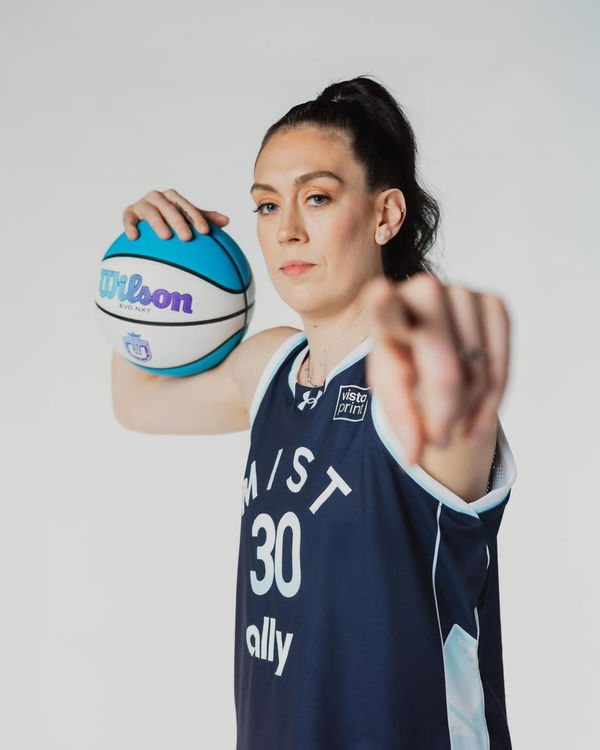
Still, there is no public escalation in rhetoric from players. Breanna Stewart spoke on February 13 about the negotiations and suggested that talks are moving in a better direction. “I’m feeling better. I’m feeling like the owners are finally really acknowledging and being receptive of what we want and the players as well.”
She emphasized urgency without suggesting surrender. “I’m hoping we can get this thing done quickly so then we’re not late to start the 2026 season. Now that we’re part of a revenue-shared model, you miss games, it’s less money. Not to say that we should submit and just say yes to any proposal that we don’t like, but this is a business now.”
That framing matters. On one side, the union is applying public pressure with symbolic messaging. On the other, its leadership is signaling confidence that talks are progressing.
Imago
Breanna Stewart – @breannastewart30/Instagram
Across professional sports, players’ unions frequently use public-facing campaigns to shape leverage during CBA talks. Social media messaging allows unions to frame the narrative without formally escalating negotiations.
The WNBPA’s Valentine’s approach fits that pattern. It signals dissatisfaction without threatening disruption. Because of that, the post reads less like a confrontation and more like a reminder.
Time remains the quiet variable. If negotiations stall, the 2026 season start becomes part of the equation. Stewart acknowledged that missed games would directly impact revenue under a shared model. That dynamic creates incentive on both sides to avoid prolonged delays.
At the same time, neither side has indicated a breakdown in dialogue. Housing progress shows compromise is possible. Revenue structure will determine whether compromise becomes agreement.
For now, the WNBPA has chosen wit over warning shots. The proposal may not yet be official. However, the message is unmistakable. And in collective bargaining, tone often precedes terms.
Written by

Edited by

Ved Vaze