Imago
AP Photo/Corey Sipkin
Imago
AP Photo/Corey Sipkin
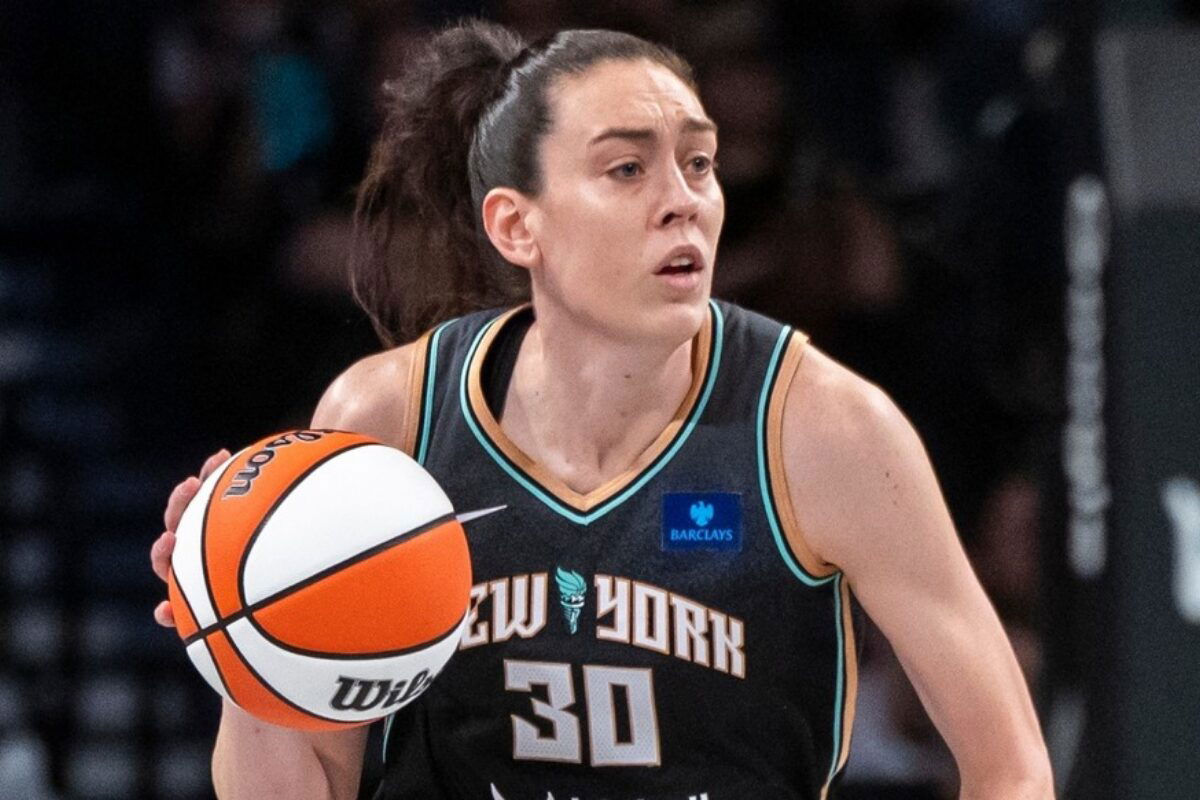
Breanna Stewart revealed the detailed discussions that took place behind closed doors in the most recent WNBA labor talks. The WNBPA vice president attended the first in-person meeting since October 2025 and hinted at a potential breakthrough. The decision to speak out publicly shows how the tempers flared after an 18-month impasse. The issue is beyond the financial ones and addresses the broader issues plaguing the game.
Watch What’s Trending Now!
Stewart talked about the union’s strategic priorities on the Game Recognize Game YouTube channel, stressing how important it is for all franchises to have the same standards. “It was really important for them to hear the perspective of all the players, from players that make the Supermax to players that are probably going to come in at a vet min, and understand our want and our desire. We really emphasized making sure that each team has a minimum standard.”
The union submitted a counterproposal requesting 30 percent of gross revenue, raising the salary cap to approximately $10.5 million with max salaries around $2.5 million. The league’s proposal offers 70 percent of net revenue with a $5.65 million salary cap and potential max salaries reaching nearly $2 million by year’s end.
“It’s something that seems easy and that we should always have, but not all teams do it. So if there’s not a rule creating minimum standards where you have to have a chef, where you have to have like a massage therapist on the road, where you have to have a practice facility, like within the next two years, they won’t do it. And while most people won’t choose to go to those teams, some people will have to,” emphasizing the differences between franchises.
Stewart’s focus on minimum standards shows that there are real differences between WNBA teams. The league proposed a solution to this issue in February by offering housing solutions for both first-year players and players with the lowest salaries. The first three years of their career would allow first-year players to reside in one-bedroom apartments, while developmental players could use studio apartments as their living space. The teams need these concessions as their facility standards have always differed from each other. The WNBA salary cap will increase to $5.65 million in 2026 from its current value of $1.5 million in 2025, which could significantly improve the standards.
Stewart went into more detail“So it’s been pretty frustrating. I’ve been trying to kind of be as involved as I can. I was on Zoom for like 4 hours that Monday, and then we had a game at 8:45 at night, and it was like, this is the one time where I’m like, I wish I didn’t have a game day today. But it’s like I don’t want to miss the moments. I want to be there and make sure that I’m helping make sure that all questions are asked and people understand everything that’s going on.”
The stalled talks have made the WNBA’s timeline even shorter than it already was. With the draft on April 13 and the start of the season on May 8 fast approaching, most veterans except Lexie Brown and Kalani Brown will be free agents. However, the finish line might be in sight if they shake hands on a deal soon.
Breanna Stewart shifts focus to Unrivaled’s 1-on-1 tournament while CBA pressure mounts
Breanna Stewart is handling the pressures of WNBPA negotiations while also managing another high-profile role, showing how versatile she is. Stewart is not only a participant in Unrivaled’s 1-on-1 tournament, which starts Wednesday in Miami, but also a co-founder. The 3-on-3 league is back for its second year of solo competition, and this time it has a position-based pod structure that has the basketball community buzzing. The format, which has thirty-two players split into four pods by position, promises real, unfiltered individual competition.

Imago
Breanna Stewart – @breannastewart30/Instagram
Stewart was really excited about the tournament’s format when she talked to USA TODAY Sports. “The best part about getting to compete is you’re just able to kind of do something different,” she explained. “Do something that you’ve done at the playground or at the gym and just kind of showcase your skill.”
Stewart went into more detail about how this year’s structure makes things better. “This time, it’s probably even better just because our pods are position-based… I feel like it’ll just be better matchups.”
Guards compete against guards and forwards against forwards in a position-based framework, which makes for fair competition. Kelsey Mitchell (Hive), Paige Bueckers (Breeze), Allisha Gray (Mist), and Stewart herself are the leaders of Pod D.
The tournament has a lot of money on the line and compensates the players handsomely. With a prize pool of $300,000, the winner gets $200,000, the runner-up bags $50,000, while the semifinalists take away $25,000.
However, as the calendar swiftly turns, all the players hope for a swift CBA resolution and a timely start to the WNBA season.
Written by

Edited by

Pranav Venkatesh