
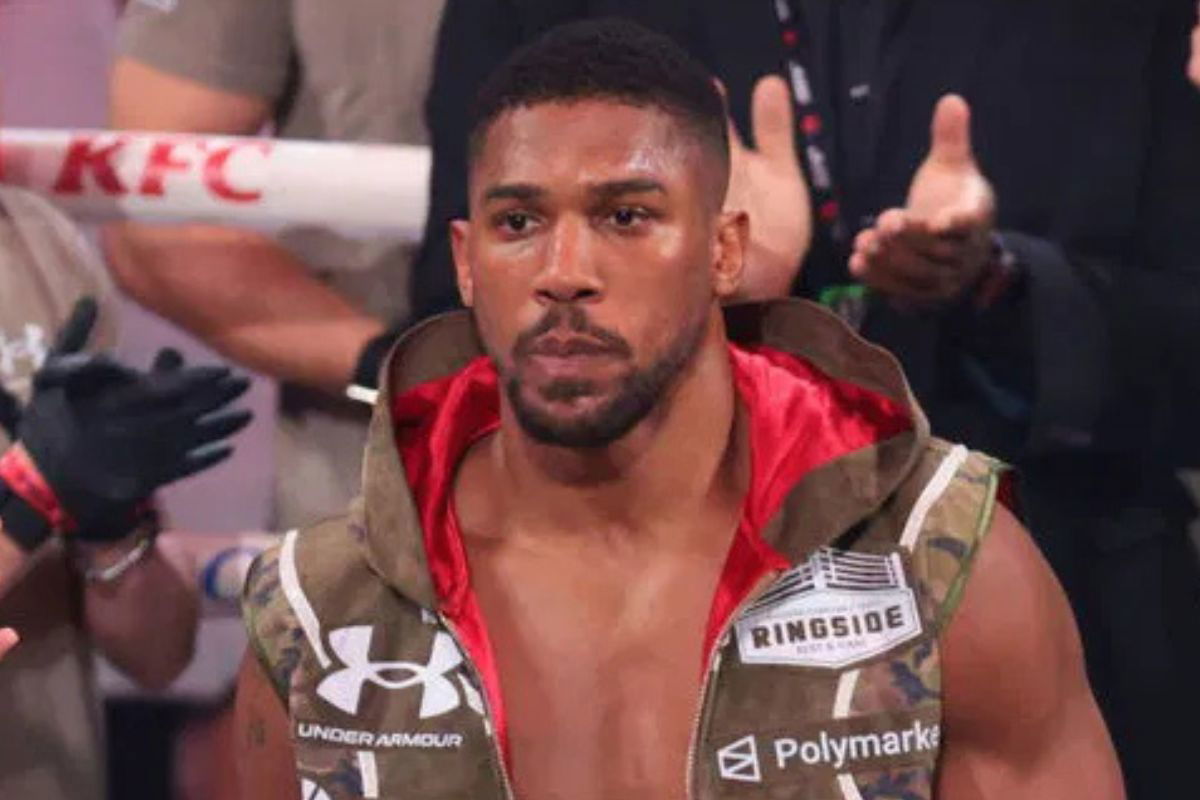
With the poaching of fighters going on in the background, the latest round between Dana White and Eddie Hearn centers around the year-end Fury-AJ showdown. The latest development saw White hurl some pointed jabs at the Matchroom boss over AJ’s recent management move to Creative Artists Agency (CAA), a Los Angeles-based talent and sports agency.
Watch What’s Trending Now!
The taunt draws its context from White’s recent claim that, instead of Hearn or Frank Warren, who promotes Fury, he may ultimately promote the megafight. To White and his supporters, Anthony Joshua‘s move likely points to a gap in Hearn’s abilities as a promoter. Against that backdrop, when Ariel Helwani asked why his star fighter signed with CAA, the English promoter. however, blamed the UFC CEO for not getting a proper handle on the matter.
“The big question from Dana, which baffled me because he just doesn’t understand,” Hearn said. “He’s like, why didn’t Eddie Hearn sign him on a management deal? Because it’s illegal. And he, you know, someone said to me, ‘Yeah, but he’s in the UK.’ We’re an American company. We have American offices. AJ’s last fight was in America. There is a chance that the Fury fight could be in America. We’d be committing an offense.”
Part of the reason why Eddie Hearn, who incidentally took up the management responsibilities of Tom Aspinall, the UFC’s heavyweight champion, appeared so hesitant is the conflict of interest such a responsibility would create. Anthony Joshua has been associated with Matchroom Boxing since he made his professional debut. Given Hearn’s role as a promoter, taking on a fighter’s management responsibilities would create legal complications.
Though Matchroom is a UK-based promotion, it regularly conducts business in the United States. Given CAA is also an American company, it becomes even more important for both parties to remain mindful of regulations that prohibit promoters from also acting as managers. Dana White likely overlooked those restrictions.
Imago
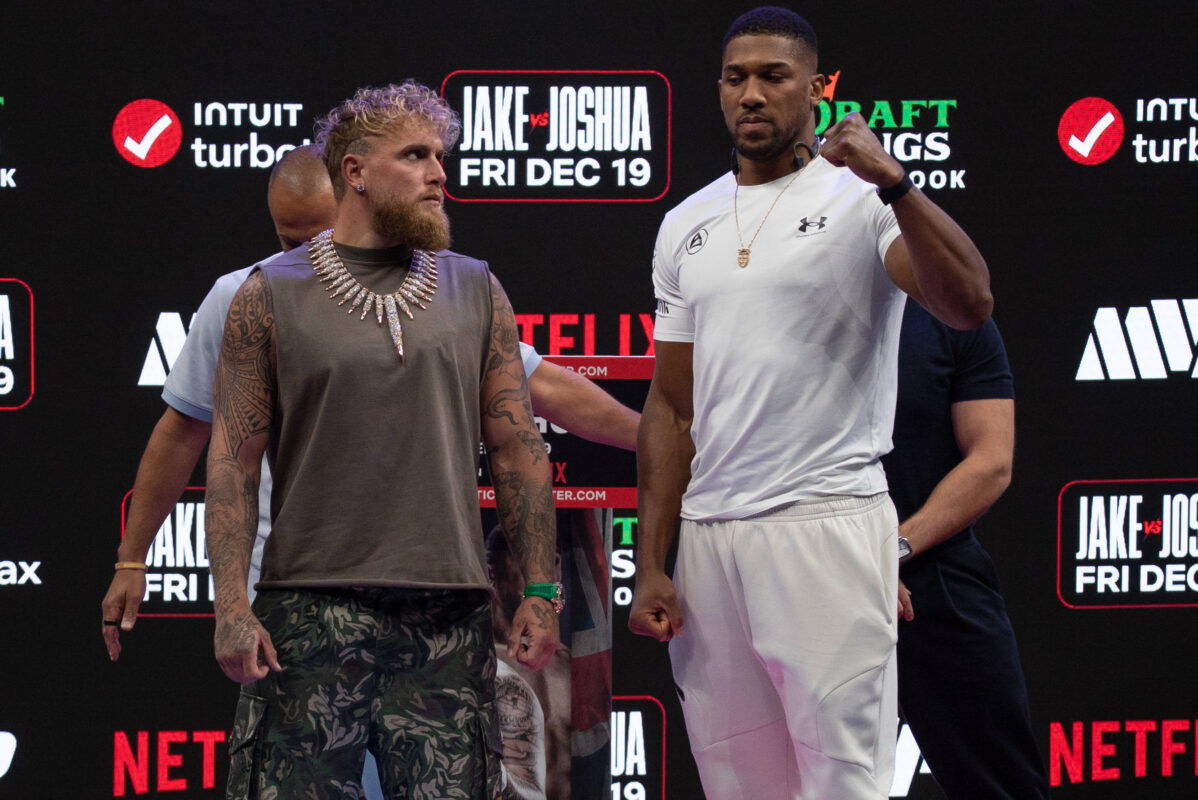
Anthony Joshua and Jake Paul press conference, PK, Pressekonferenz MIAMI, UNITED STATES – NOVEMBER 21: Anthony Joshua R and Jake Paul L attend a press conference ahead of their heavyweight fight to be held on December 19, in Miami, Florida on November 21, 2025. Jesus Olarte / Anadolu Miami United States. Editorial use only. Please get in touch for any other usage. PUBLICATIONxNOTxINxTURxUSAxCANxUKxJPNxITAxFRAxAUSxESPxBELxKORxRSAxHKGxNZL Copyright: x2025xAnadoluxJesusxOlartex
“He (White) made himself look stupid because he doesn’t know anything about the Muhammad Ali Act,” Hearn added. “He doesn’t know that you can’t manage and promote fighters collectively. It’s a complete conflict of interest even across the commercial side because you’ve got commercial deals of your own with Matchroom, plus you’ve got this guy who’s got his own individual commercial deals. It’s just—it’s just, I mean, the basis of it is illegal.”
Setting the record straight, Hearn explained that Matchroom has intentionally stayed out of Joshua’s business representation throughout their relationship. Joshua previously worked with different agencies before creating 258, his own management company. Over time, however, running that operation became another major responsibility on top of his boxing career.
As a result, Hearn said, Joshua eventually decided he needed to remove distractions and concentrate more fully on competing in the ring. More importantly, Hearn insisted, the entire process of AJ signing with CAA had been transparent, with the heavyweight keeping Matchroom informed throughout.
The explanation also sheds light on why Hearn was so quick to dismiss White’s criticism. Far from being an isolated concern, boxing has a long history of debates surrounding the promoter-manager conflict, with several high-profile examples illustrating the risks associated with such arrangements.
Boxing history backs Eddie Hearn’s concerns over Anthony Joshua
The most notable example that comes to mind is the case involving Mike Tyson and Don King. While King was officially the heavyweight’s promoter, critics and later lawsuits alleged he exercised enormous influence over Tyson’s business affairs beyond typical promotional relationships.
After Tyson’s release from prison, disputes arose over finances and control, eventually leading the fighter to sue King for allegedly defrauding him. The case was settled, but it became one of boxing’s most cited examples of concerns about promoters wielding excessive influences over fighters.
Likewise, Al Haymon became one of the most controversial figures in the sport because of questions surrounding whether he functioned as an advisor, manager, or something closer to a promoter through his relationships with fighters and the operations associated with Premier Boxing Champions (PBC).
Those concerns eventually contributed to broader regulatory efforts within the sport. To provide context, the Muhammad Ali Act was enacted partly because boxing had developed a history of promoters controlling multiple aspects of a fighter’s career, including negotiations, matchmaking, and sometimes business decisions that should have been handled by independent managers.
The concern was simple. While a manager should secure the best deal for the fighter, a promoter should try to make the event financially viable. When the same person performs both roles, a conflict can arise.
Viewed through that lens, Eddie Hearn seems to have taken a prudent approach. Especially considering the timing, with the situation surrounding the AJ-Fury fight becoming more tense by the day, he could hardly afford a scenario in which questions would be raised about conflicting responsibilities.
That, in turn, leaves one question: is White genuinely unaware of those regulations, or was this another jab aimed at Hearn as part of their ongoing rivalry?