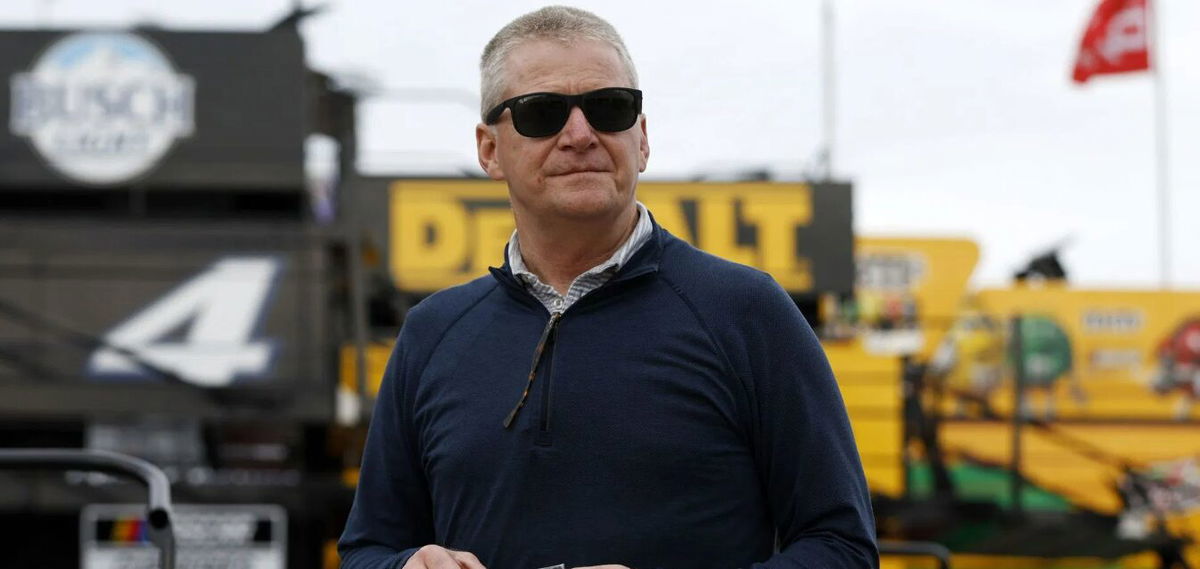
Formula One has definitely one-upped NASCAR in this aspect over the past several years. F1 transformed itself from a largely European-centric motorsport into a global entertainment powerhouse, thanks to the Drive to Survive Series and TV viewership. Jeff Burton went straight for the jugular, offering an unfiltered reality check on NASCAR’s declining buzz before taking a sharp swipe at Formula 1, branding its racing product dull and uninspiring.
Watch What’s Trending Now!
Speaking on Kenny Wallace’s podcast, the 58-year-old laid on thick.
“I was shocked when I started doing television 10 years ago, how few people were in the stands for practices (NASCAR),” he said. “But to my knowledge, my experience with F1 is that’s really what it is. Let’s be clear. There are less cars. And as that spreads the field out in of itself, if they had more cars, that would help you know from what you and I’d like to see that would help that. I will say this, I believe it was the Netflix series did a tremendous amount to bring popularity to them.”
To give you the full picture, F1 global fan base has grown to over 826 million worldwide, marking at 12% year on year on year increase driven by growth in key markets such as China, Canada, Saudi Arabia, and the US, where the fan base alone groups about 52 million in 2024.
Attendance records at events like the Australian Grand Prix and strong TV viewership gains in the US reflect the rising momentum.
Digital engagement, including 233 million YouTube highlights globally, further grew F1’s approach among digitally savvy audiences.
A major factor behind this popularity is how F1 has expanded its narrative beyond the track. Strategic media initiatives like the Netflix series Drive to Survive have helped humanise drivers and behind-the-scenes drama, making the sport more accessible to casual and young viewers.
And Burton knows the trill of it all too well.
Getty
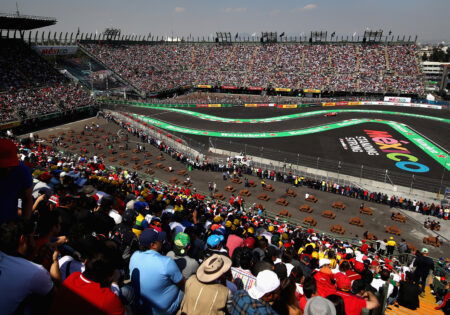
MEXICO CITY, MEXICO – OCTOBER 28: A general view showing Sebastian Vettel of Germany driving the (5) Scuderia Ferrari SF70H on track during qualifying for the Formula One Grand Prix of Mexico at Autodromo Hermanos Rodriguez on October 28, 2017 in Mexico City, Mexico. (Photo by Clive Mason/Getty Images)
“I have a lot of people come up to me and say my wife watches F1, and I’ll say, ‘ Why? ‘ and she says that Netflix series, you know what I mean? So it did that series some good in this country anyway for sure. But it’s just a different form of racing, and their fans appreciate and are okay. They like what they see. Yeah. And it’s a good example. Like I hear people talk about, you know, as the company that bought F1,” he added.
Meanwhile, Liberty Media has boosted fan engagement through social media growth, immersive experiences such as F1 arcade, and expansion of its US race calendar with high-profile events in Miami, Las Vegas, and Texas. These efforts have helped shift F1’s image toward a cultural experience and not just a sport.
However, the same cannot be said for NASCAR. The staple of American motor sports has seen declining viewership trends in recent seasons. Reports show the NASCAR Cup Series races drawing lower TV audiences than in previous years, with some events experiencing drops in ratings and attendance.
In 2025, one cup event drew 1.29 million viewers, a significant decline from the previous year, contributing to a broader downward trend in overall shape. If current trajectories continue, F1 is on track to narrow the gap with NASCAR’s US television ratings and may eventually overtake it.
NASCAR has been more regionally focused and has been limiting its international appeal, something completely different from F1, which is focused on global expansion and its narrative marketing approach.
While the NASCAR Cup Series did break into International Waters at Mexico last year, that is just one of the events.
Additionally, the sports fan base skews older, making it hard to capture the younger demographic that increasingly consumes sports through digital and social channels.
But why does NASCAR grapple with this problem, and how is it working on finding a solution? While Formula One is already booming, and now with the new season announced this year, the fans are definitely going to be keeping their eyes glued to the screen.
What to expect in the new F1’s DTS season
The fans of Drive to Survive won’t have to wait long. Netflix has confirmed that the shows eight season will drop on February 27, just days before the 2026 F1 season kicks off in Australia.
As always, the series will bring viewers backstage access to the most intense moments, offering a look at what happened behind the scenes during the 2025 season.
And there is plenty to unpack. The camera is captured to fallout from Christian Horner’s dramatic exit from Redbull after 20 year run, one of the biggest shocks in recent F1 history.
The series will also revisit Lando Norris’s title-winning campaign, including how he managed to stay in contention despite falling behind teammate Oscar Piastri for much of the year.
A major theme will likely be the late-season swing in momentum. Red Bull’s strong upgrade and McLaren’s costly mistakes set the stage for Max Verstappen’s late surge, turning the championship fight into a thrilling finale.
Other potential storylines include Red Bull’s headline making Driver shuffle, Adrian Newey’s first season at Aston Martin, Lewis Hamilton’s challenging start at Ferrari, and Jack Doohan’s exit from Alpine in favour of Franco Colapinto.
Netflix and have fun. Confirm the release date on social media, continuing the show tradition of arriving nine days before the first days of the season. With the Australian Grand Prix set for early March, viewers can expect the new season to land at the end of February, just in time to wrap up excitement for the year ahead.