Reuters
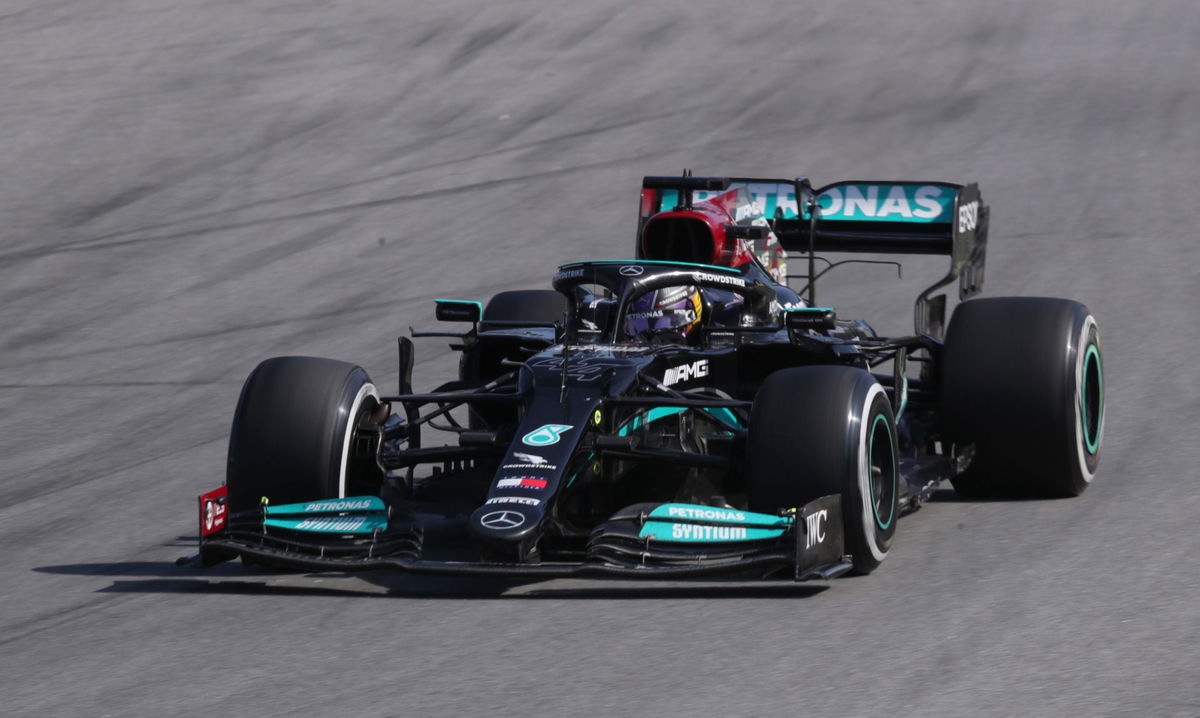
Formula One F1 – Brazilian Grand Prix – Jose Carlos Pace Circuit, Sao Paulo, Brazil – November 14, 2021 Mercedes’ Lewis Hamilton during the race REUTERS/Amanda Perobelli
Reuters
Formula One F1 – Brazilian Grand Prix – Jose Carlos Pace Circuit, Sao Paulo, Brazil – November 14, 2021 Mercedes’ Lewis Hamilton during the race REUTERS/Amanda Perobelli
There was a lot of discussion regarding the rear wings in the 2021 F1 season. Both championship contenders Red Bull and Mercedes lodged complaints against each other regarding their Flexi wings. The FIA even disqualified Lewis Hamilton from qualifying in Brazil after his car failed a rear wing test.
Watch What’s Trending Now!
But many teams mentioned that there were some problems with the way the FIA conducts tests on the wings. So, the FIA is doing everything to tighten the examination of the Flexi wings going into the 2021 season.
WATCH STORY: Road cars inspired from F1 technology
It was not a bad test, but it can be improved: F1 single-seater head
As reported by Motorsport.com, F1’s head of single-seater matters, Nikolas Tombazis, mentioned the governing body will look to improve the tests in the 2022 season.
“In Qatar, there was no monkey business identified, or anything like that. We didn’t find something that was concerning. It was not a bad test, but it can be improved. So we’re thinking how to maybe make some improvements to it for next year [2022], potentially,” said Nikolas.
Reuters
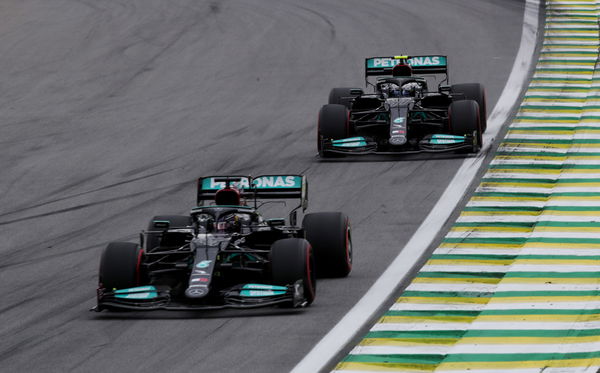
Formula One F1 – Brazilian Grand Prix – Jose Carlos Pace Circuit, Sao Paulo, Brazil – November 12, 2021, Mercedes’ Lewis Hamilton and Mercedes’ Valtteri Bottas in action during qualifying REUTERS/Amanda Perobelli
He also mentioned the deficiencies the test currently has. “The reason the test is not so good is technically the trailing edge of the main plane is going quite upwards. If you load it in the downward direction, it’s quite stiff, so we want to manage to load it in a direction that is normal.
But then it’s a bit more difficult because we can’t use gravity. So we need to fine-tune it, and it needs a bit more give to be prepared for it. It’s not impossible, of course,” said Tombazis.
It would be interesting to see what new improvements will the FIA make to the current methods of testing. Admittedly, they need consistency while implementing the rules and conducting tests on the wings.
READ MORE: Do F1 Cars have a Clutch?
