Imago
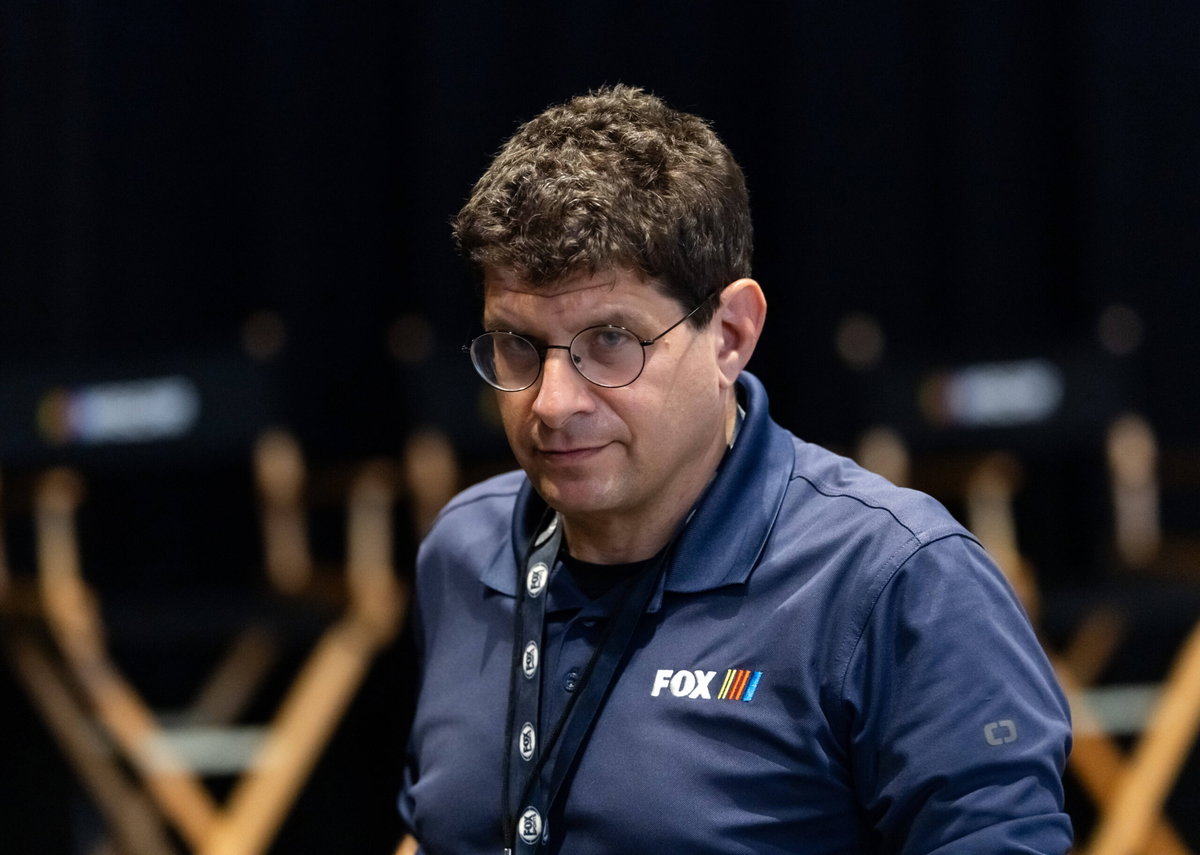
NASCAR, Motorsport, USA Daytona 500 – Media Day Feb 12, 2025 Daytona Beach, Florida, USA NASCAR journalist Bob Pockrass during Daytona 500 media day at Daytona International Speedway. Daytona Beach Daytona International Speedway Florida USA, EDITORIAL USE ONLY PUBLICATIONxINxGERxSUIxAUTxONLY Copyright: xMarkxJ.xRebilasx 20250214_mjr_su5_093
Imago
NASCAR, Motorsport, USA Daytona 500 – Media Day Feb 12, 2025 Daytona Beach, Florida, USA NASCAR journalist Bob Pockrass during Daytona 500 media day at Daytona International Speedway. Daytona Beach Daytona International Speedway Florida USA, EDITORIAL USE ONLY PUBLICATIONxINxGERxSUIxAUTxONLY Copyright: xMarkxJ.xRebilasx 20250214_mjr_su5_093
The life of a NASCAR reporter can be tiring, due to the stacked calendar of over 90 races across all three national-level series in the sport covered over the span of nearly 10 months. While the load sounds massive, a veteran reporter has found a way to make it less strenuous after years of covering the sport.
Watch What’s Trending Now!
NASCAR reporter reflects on his time managing skills
“It’s about managing time and priorities,” Bob Pockrass told Kaitlyn Vincie in an interview upon being asked about his tight schedule. Pockrass has been involved in the industry for decades. Working with FOX Sports currently, he began his NASCAR journey all the way back in 1991 and is currently one of the most well-known reporters in the field. His work is exceptional, and his overall presence in almost all races is impressive.
While there are quite a few who look out for a few more off days, Pockrass has a different attitude towards his work life: “You could always keep working.”
Top Stories





In his conversation with Vincie, the reporter discussed the importance of physical health and proper rest when covering something as fast-paced as NASCAR.
“I run two or three miles a few times a week or do a 5K. I’m always listening to racing podcasts—I consider that both work and a stress reliever. Sometimes your body tells you what you need, ” said Pockrass in the interview. “Some days, your creativity just isn’t there. Other times, you have to push through.”
It seems quite apparent that Pockrass has been locked in this schedule for a long time. The least he is doing right now is setting new benchmarks for the upcoming generation who want to be the second-closest person to a race car after the driver and the team.
Getting into the field of journalism is challenging, but as a veteran in the industry, Pockrass has shared his wisdom to those trying to work towards getting there.
“If you want to be a reporter, I would say ask a lot of questions. You can’t be afraid of ending up in a viral video, and you can’t be afraid of being in the middle of a small or large controversy,” Pockrass said. “At some point, you have to let go of worrying about what someone might write about a question you asked or a response you received.”
Working on a 36-week schedule, NASCAR is a highly intense sport for drivers, but there are a lot of other people, including reporters, who are also part of the journey. Reporters like Pockrass are key to the sport, as it is they who reach the news and updates to the fans. Both are key parts of the ecosystem and deliver fans with the experience they enjoy.
Written by

Edited by

Godwin Issac Mathew