USA Today via Reuters
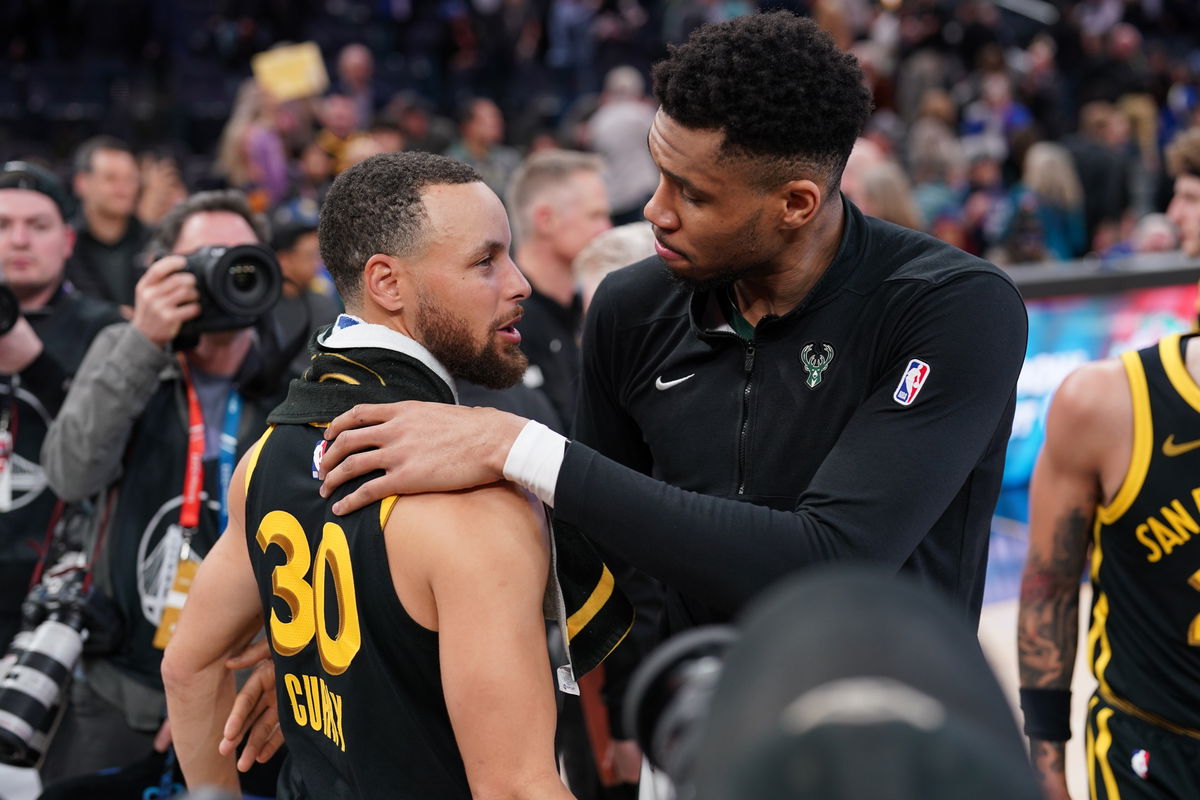
Mar 6, 2024; San Francisco, California, USA; Milwaukee Bucks forward Giannis Antetokounmpo (34) and Golden State Warriors guard Stephen Curry (30) meet after the game at the Chase Center. Mandatory Credit: Cary Edmondson-USA TODAY Sports
USA Today via Reuters
Mar 6, 2024; San Francisco, California, USA; Milwaukee Bucks forward Giannis Antetokounmpo (34) and Golden State Warriors guard Stephen Curry (30) meet after the game at the Chase Center. Mandatory Credit: Cary Edmondson-USA TODAY Sports
The era of the NBA dynasty is over — no team has repeated as champions since the 2018 Golden State Warriors. In fact, no team has made it to back-to-back NBA Finals since the same Warriors team in 2019, and it perfectly captures where the modern NBA is headed.
Watch What’s Trending Now!
The league has seen this gamble before. The 2013 Brooklyn Nets traded their future for aging stars and paid for it with years of irrelevance. The new CBA makes that kind of fallout even harsher — and these teams know it.
The modern NBA isn’t set up for teams to dominate for five years anymore, and it’s all thanks to the league’s new collective bargaining agreement and its brutal second-apron penalties. As such, several franchises find themselves in the position to contend and win … or risk losing everything.
Top Stories





Seven Teams That Must Go All-In Now
7. Milwaukee Bucks: The Bucks sit in an uncomfortable middle ground; good enough to pose a threat and contend, but can crumble at any moment if they continue to stall. Giannis Antetokounmpo is 31 and still one of the best players alive; however, the supporting cast was assembled with short-term urgency. The Bucks stretched Damian Lillard’s contract to create space and signed versatile big man Myles Turner to give Antetokounmpo a true co-star and rim protector.
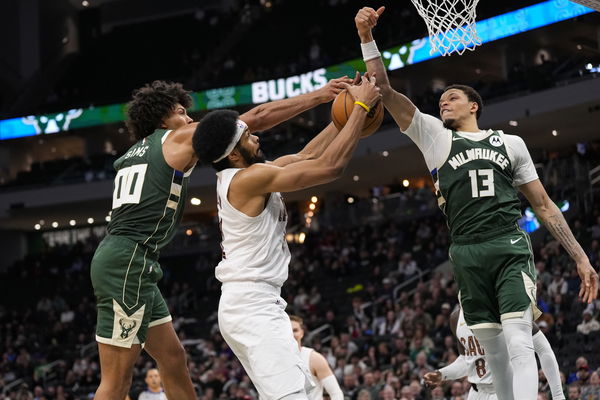
Financially, they’re right around the luxury-tax line, but every swing they take now comes with zero safety net because Milwaukee doesn’t control its own first-round pick until 2031. If they’re bounced in the first or second round again, something that has happened in four of the last five postseasons, the rebuild begins with almost nothing — just Antetokounmpo at the tail end of his prime and a pile of mid-tier deals.
6. Golden State Warriors: The Warriors went all in on veteran experience by adding Jimmy Butler, Al Horford, and even bringing in Seth Curry for the family reunion while sitting over the second apron. They’ve essentially handcuffed themselves, because second-apron teams lose the non-taxpayer mid-level exception, can’t sign-and-trade, face stricter trade salary matching, and lose the ability to make the kind of nimble moves that built their dynasty in the first place.
Imago
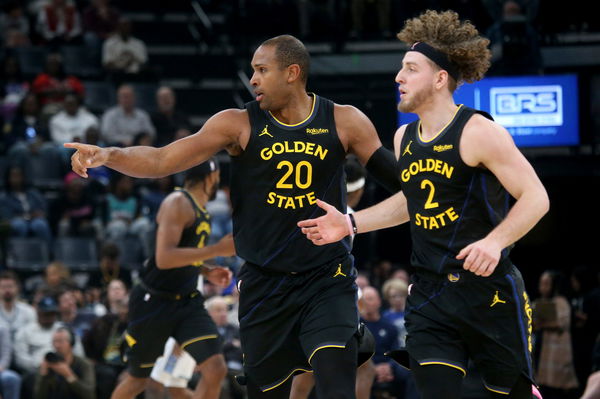
Feb 25, 2026; Memphis, Tennessee, USA; Golden State Warriors center Al Horford (20) and guard Brandin Podziemski (2) get back on defense during the second quarter against the Memphis Grizzlies at FedExForum. Mandatory Credit: Petre Thomas-Imagn Images
The franchise is asset-light, and Steph Curry is 37 and the clock is loud. Curry, Draymond Green, Butler, and Horford are built for one last deep playoff run, and they can call it a day. They are on borrowed time and are currently lingering in the play-in position, which might shut the championship window for good. The worst part is that Golden State will be rebuilding without picks or cap flexibility because it has leveraged the future on past picks.
5. Minnesota Timberwolves: After back-to-back Western Conference finals appearances, there is a sense that Minnesota needs to go one step further or risk going many steps backwards. Anthony Edwards is still only 24 and entering his prime years, but the rest of the core is aging fast. Rudy Gobert is 33, Mike Conley is 38, and Julius Randle and Naz Reid are now on long extensions that push them deep into the tax.
Imago
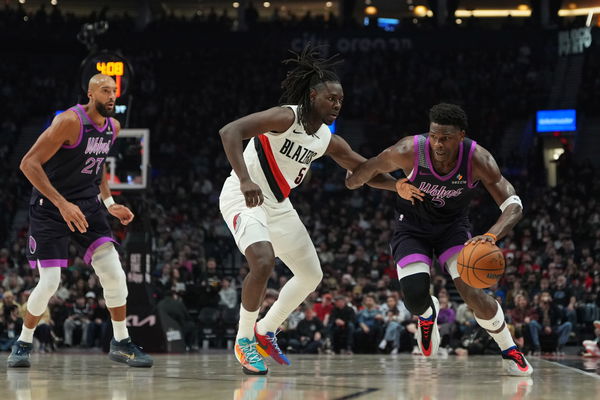
Feb 24, 2026; Portland, Oregon, USA; Minnesota Timberwolves guard Anthony Edwards (5) dribbles against Portland Trail Blazers guard Jrue Holiday (5) during the first half at Moda Center. Mandatory Credit: Soobum Im-Imagn Images
The Wolves control their own first-round pick in only one of the next six years, which is in 2028. The Rob Dillingham pick was supposed to be the future; instead, he was part of a trade aimed at contributing immediately because the veterans can’t carry another near-miss. It will be difficult to add a missing piece without giving up even more future assets, which they don’t even have. The organization has to reach the Finals soon. Anything less, and the front office has to answer serious questions.
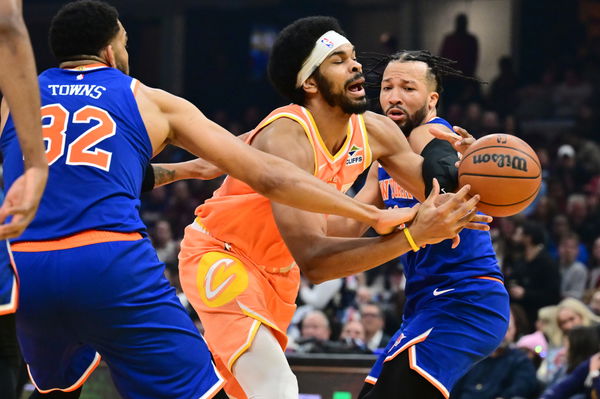
4. New York Knicks: The Knicks always find themselves in a win-now window almost every few years. They went full “Finals or bust” during the 2024 offseason, trading for Mikal Bridges and Karl-Anthony Towns while already sitting on a massive payroll. They’re currently over the second apron, and team captain Jalen Brunson took a discount to stay, but the rest of the roster, especially if Towns extends, makes them one of the most expensive rosters in basketball.
Imago
Feb 24, 2026; Cleveland, Ohio, USA; Cleveland Cavaliers center Jarrett Allen (31) drives to the basket against New York Knicks center Karl-Anthony Towns (32) and guard Jalen Brunson (11) during the second half at Rocket Arena. Mandatory Credit: Ken Blaze-Imagn Images
They have also emptied the cupboard, as they have almost zero path to a quick rebuild if things go south. The franchise surrendered its first-round pick in 2025, 2027, 2029, and 2031 while having an unfavorable 2028 swap. They went all in, and now they’re paying luxury tax every year just to stay competitive with no draft help coming. They did reach the Eastern Conference finals last year, but if they don’t replicate or do better in the next couple of seasons, the team will be tied to financial handcuffs with no chance to rebuild.
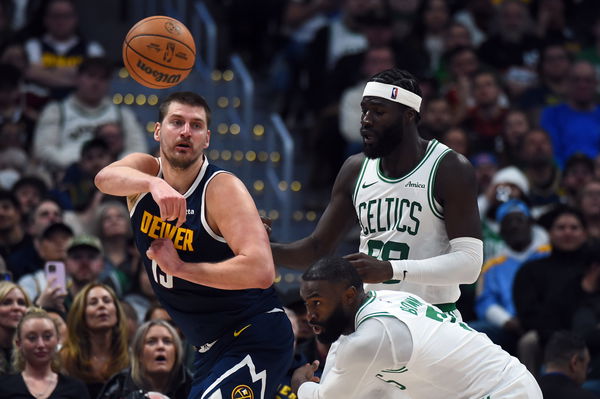
3. Denver Nuggets: The Nuggets don’t face immediate collapse, but they still live on a shrinking clock. However, they check every box on the win-now checklist in the harshest way possible under the new CBA. Three-time MVP Nikola Jokic is 31 and still in his prime, and the core of Jamal Murray and Aaron Gordon are locked into long-term deals. Denver still has that same 2023 championship-caliber core, but it has already traded away a 2032 first-round pick and still owes top-five protected firsts to Oklahoma City in both 2027 and 2029. The Nuggets control just five first-rounders total across the next seven drafts.
Imago
Feb 25, 2026; Denver, Colorado, USA; Denver Nuggets center Nikola Jokic (15) passes the ball as he is defended by Boston Celtics center Neemias Queta (88) during the second half at Ball Arena. Mandatory Credit: Christopher Hanewinckel-Imagn Images
Another poor postseason will leave them with a very small window to reload, because while they aim to stay competitive around Jokic, his commitment is not set in stone. Denver’s payroll sits barely over the luxury-tax line but safely under the first apron, but every season that goes on without strong title contention brings them closer to the brutal reality of the apron era.
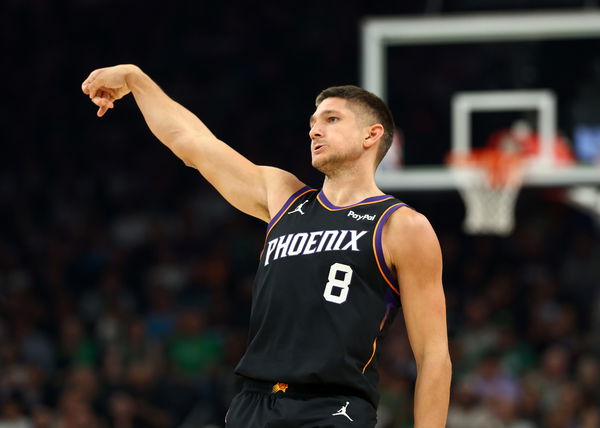
2. Phoenix Suns: Devin Booker is 29, fresh off signing the richest contract in NBA history, and he is still the face of the franchise. But the roster around him is a financial mess: Bradley Beal’s immovable deal before his trade, the post-Kevin Durant acquisitions of Jalen Green and Dillon Brooks, and a supporting cast that keeps the total payroll deep into the second apron.
Imago
Feb 24, 2026; Phoenix, Arizona, USA; Phoenix Suns guard Grayson Allen (8) against the Boston Celtics in the first half at Mortgage Matchup Center. Mandatory Credit: Mark J. Rebilas-Imagn Images
The Suns are asset-poor, having traded away first-round picks through 2031, including their 2027 pick to Houston, a least-favorable 2030 pick, an unprotected 2031 pick to Utah, plus multiple swaps and seconds. They are essentially playing with house money they don’t have. Phoenix is currently in the play-in zone and isn’t expected to make serious playoff noise, but remaining stagnant since that trip to the Finals five years ago isn’t going to cut it. It’ll force the franchise to make a risky pivot. And remember, the front office has already rolled the dice on the superteam model one too many times.
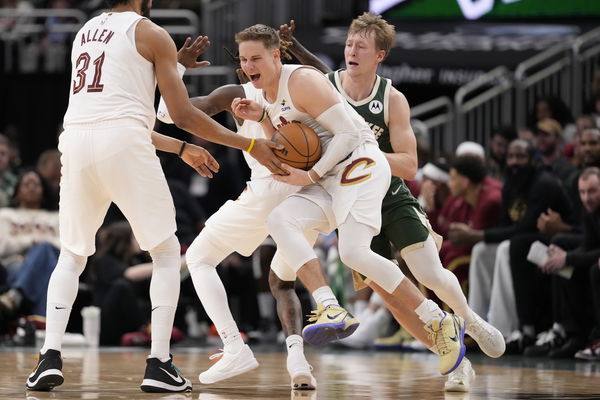
1. Cleveland Cavaliers: No contender faces more pressure than Cleveland right now. Cleveland is the only team solidly over the second apron at the moment. Donovan Mitchell is 29 and is balling at an MVP level, Evan Mobley is 24 and is a two-way monster, but the Cavs added 36-year-old James Harden, meaning they are now paying max money across the board. They won 64 games last season but were eliminated from the second round in embarrassing fashion.
Imago
Feb 25, 2026; Milwaukee, Wisconsin, USA; Cleveland Cavaliers center Jarrett Allen (31) hands the ball to guard Sam Merrill (5) during the fourth quarter against the Milwaukee Bucks at Fiserv Forum. Mandatory Credit: Jeff Hanisch-Imagn Images
That move they made to acquire Mitchell in 2022 already cost them control of their next four first-round picks. Their apron status means they have restricted trade flexibility and massive repeater-tax risk. They are hard-capped and asset-poor, and even traded two-time NBA All-Star Darius Garland, who was in his prime, to get Harden. They are essentially in the second-apron quicksand as they can’t sign free agents the normal way, can’t aggregate salaries easily in trades, and can’t stockpile picks for a reset. If Mitchell senses the window closing, he’s gone, and they’re left paying luxury-tax bills for a non-contender.
The apron era has turned contention into high-stakes poker. Teams either win fast or pay for it for a decade. The middle ground is gone — franchises now choose between a banner or a rebuild, and most of these teams have already pushed all their chips to the center of the table.
Written by

Edited by

Ved Vaze