Imago
imagn
Imago
imagn
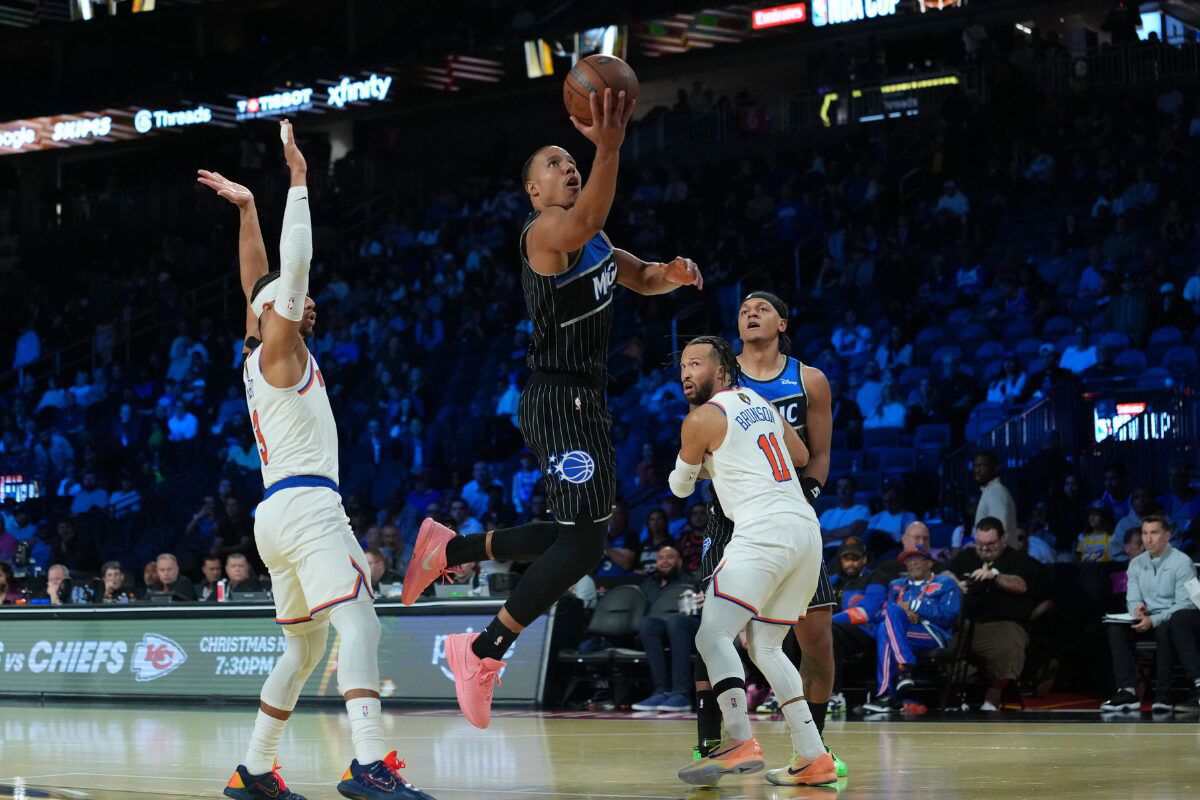
The Emirates NBA Cup semifinals set the stage for a tasty Eastern Conference showdown. Orlando arrived in the top four in the East, unbeaten in Cup play, and already owning two wins over New York despite Paolo Banchero missing most of the tournament. The Knicks, meanwhile, stayed true to their reputation as the Cup’s most consistent team, reaching the quarterfinals every year and finally stepping onto the Las Vegas stage.

Fans were locked in, essentials were sorted, couches were claimed, and Amazon Prime was open on their screens. But just as tip-off neared, excitement turned to confusion; the game was on, yet the sound was nowhere to be found.
Watch What’s Trending Now!
The broadcast audio kept glitching.
For fans, the experience hasn’t really moved forward. The logo at the top of the screen may change, but the problems feel oddly familiar. Back when TNT and Turner Sports handled big playoff moments, fans often complained about broadcast issues.
Just last postseason, during Cavaliers vs. Pacers Game 1 in the East semifinals, audio trouble stole the spotlight. Greg Anthony’s microphone sounded so off that viewers at home wondered if something had broken mid-game.
Now the league has a new media deal and even bigger promises. National games have jumped from 172 to 247, a massive increase, with every team guaranteed multiple national appearances. But more games also mean more pressure to get things right.
That hasn’t always happened. Earlier this season, a loud buzzing noise forced Maria Taylor and Tracy McGrady to switch microphones during a live broadcast, with Taylor joking on-air when her mic failed too.
The NBA Cup is a quiet but crucial piece of the league’s massive 11-year, $77 billion media rights deal, with Amazon holding most of the tournament’s broadcast control, including exclusive rights to the knockout rounds. Fans, though, are the only real stakeholders without a financial upside.
With games now spread across platforms and full access costing close to $1,000 for the season, patience is already thin. So when the broadcast failed to deliver, frustration spilt straight onto social media.
Fans voice frustration over NBA Cup broadcast issues
One frustrated fan said, “Prime Video can’t even handle the audio of Magic-Knicks wtf are we paying for.” League Pass alone costs $13.99 a month, but that’s just the starting point. To actually watch everything, fans stack services, Prime Video, Peacock, and YouTube TV, pushing monthly bills close to $120.
Traditional cable with NBA TV? That can climb past $140, sometimes more than a phone bill. The NBA proudly owns the world’s second-biggest media rights deal and keeps talking about its cultural growth. But for fans paying premium prices, the reality feels different.
Another fan echoed the frustration, asking, “Am I drunk or does the Knicks Magic NBA Cup game have the worst audio of all time?” With the league now reaching a global audience through streaming platforms, fans expected a cleaner, more polished experience, especially on a Cup night that was supposed to matter.
Am I drunk or does the Knicks Magic NBA Cup game have the worst audio of all time?
— Fitzmagic13 (@fitzmagic13) December 13, 2025
Others quickly piled on, with one writing, “Wtf is up with this NBA Cup game for Knicks vs Magic. It looks and sounds off.” Despite the noise online, the tournament continues to draw viewers. Group-stage games averaged around 1.5 million viewers this season, slightly up from last year and similar to the Cup’s debut.
The NBA Cup final, meanwhile, pulled in nearly three million viewers last year, and even with a 35% drop from the Lakers–Pacers title game the year before, it still ranked among the most-watched regular-season games of 2024–25.
Some fans went a step further, saying it wasn’t just bad sound, it was out of sync. One wrote, “Is it just me, or is this Prime broadcast for the Knicks vs Magic game glitching, and the commentary keeps fast forwarding and then reversing?”
Another added, “Bro, wtf is up with this Amazon Prime audio feed on this Knicks vs Magic game? It sounds like it’s skipping back and forth but the video ain’t skipping with it!! 🤔” For viewers watching live, the mismatch only added to the frustration of an already messy broadcast.
Imago
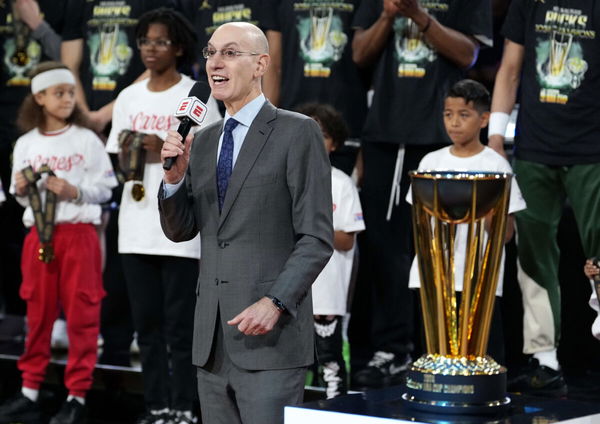
Dec 17, 2024; Las Vegas, Nevada, USA; NBA commissioner Adam Silver presents the trophy to the Milwaukee Bucks after they won the Emirates NBA Cup championship game against the Oklahoma City Thunder at T-Mobile Arena. Mandatory Credit: Kyle Terada-Imagn Images
All of this comes at a time when the NBA is swimming in historic money. The league now sits just behind the NFL in global media rights value, with football’s deal topping $110 billion.
That gap only sharpens the question fans keep asking: how can a league this wealthy still deliver a flawed viewing experience?
That frustration boiled over earlier when fans raised concerns directly to Adam Silver about the rising cost of watching games. His response didn’t land well. “There is a huge amount of our content that people can essentially consume for free,” Silver said, calling the NBA a “highlight-based sport.”
He pointed to platforms like Instagram, TikTok, Twitter, and even newspapers as alternatives for fans who can’t afford full broadcasts.
For many viewers paying premium prices, that explanation only made the disconnect feel even bigger.
Written by

Edited by

Tanay Sahai