Imago
Imagn
Imago
Imagn
The injury debate around the NBA is no longer theoretical. It is now loud, public, and pointed. As stars continue to miss extended stretches, the league is searching for answers. Some blame the schedule. Others point to the pace of play. This week, however, a former player put the spotlight somewhere else entirely.


Kenyon Martin did not hedge.
Watch What’s Trending Now!
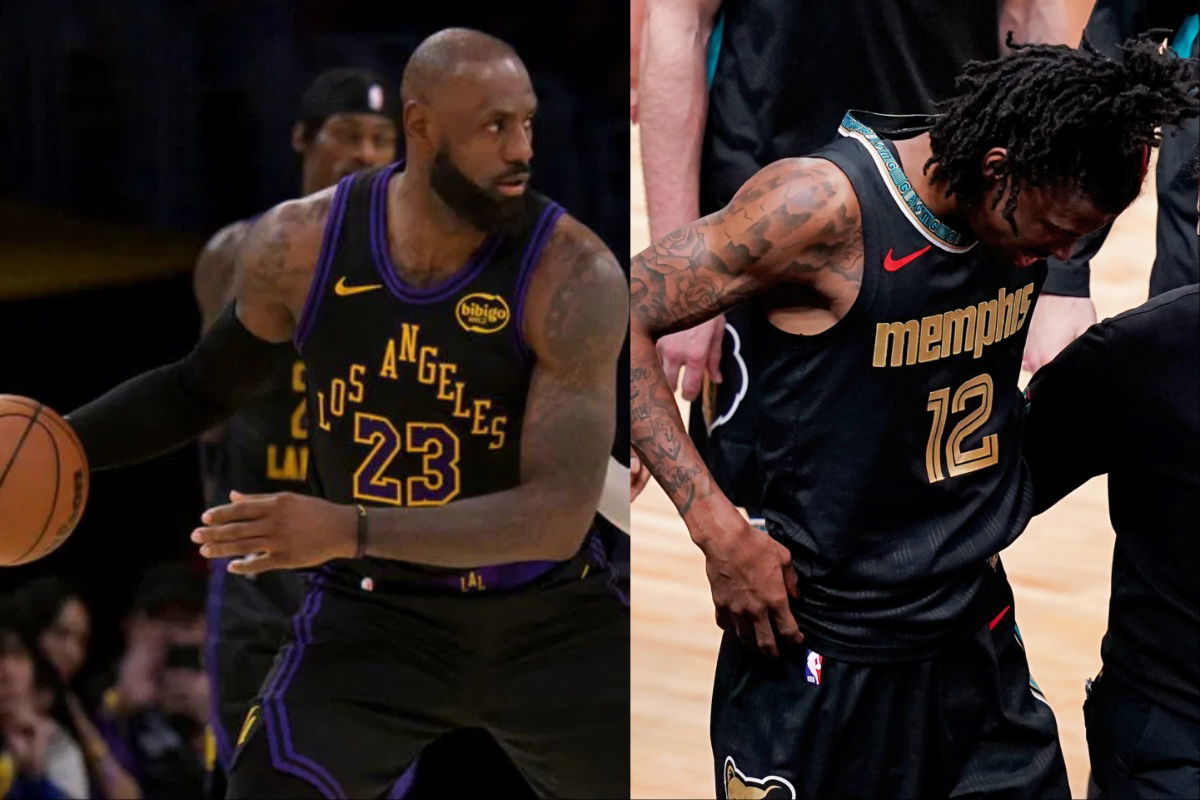
On January 28, 2026, Kenyon Martin appeared on Gil’s Arena and directly blamed modern NBA players for the surge in injuries, arguing that today’s preparation prioritizes skill development over conditioning. In doing so, he contrasted younger players with veterans like LeBron James and Russell Westbrook, whom he cited as durability standards.
“It’s the way they work out,” Martin said. “Russell Westbrook never gets hurt. You know why? He ain’t doing that safe training band work.”
That comment landed sharply because it echoed what many around the league have quietly suggested. The NBA is more skilled than ever, but that evolution may have come at a physical cost.
Last season alone, three major ACL injuries occurred within a four-month window. Meanwhile, younger stars such as Ja Morant, Zion Williamson, and LaMelo Ball have all missed significant time due to lower-body injuries. Martin’s point was not about bad luck. It was about preparation.
According to him, the offseason priorities have shifted.
“It ain’t the shoes. It’s how these dudes are training,” Martin said. “They’re working on their game. Cool. What are you doing for your body?”
Martin framed his critique through personal experience. Across four years of college and 15 NBA seasons, he said he never suffered calf or hamstring injuries because he trained “a certain way.” In his view, that approach is disappearing.
He also blamed lifestyle choices, calling out what he described as unhealthy habits that undermine durability.
“They’re not doing that,” Martin said. “They’re smoking dope, eating pork, drinking liquor.”
The clip quickly circulated online after Gil’s Arena posted it on January 28, amplifying a debate that had already been building across the league.
“It’s how these dudes are training and lack of.”@KenyonMartinSr breaks down the problem causing modern day NBA injuries 🗣️ pic.twitter.com/vttNezKnmd
— Gil’s Arena (@GilsArenaShow) January 28, 2026
Martin’s comments did not land in isolation. They aligned closely with concerns raised earlier this season by league insiders.
In November, an anonymous NBA executive told The Athletic that most players’ offseason on-court work now focuses almost exclusively on shooting and ballhandling. According to that executive, defensive and physical preparation is often missing, which increases injury risk once players are asked to do both at game speed.
That same concern has surfaced from the sidelines.
Golden State Warriors head coach Steve Kerr previously warned that players are “running faster and further than ever before,” suggesting that the physical demands of today’s game may be outpacing how bodies are being prepared.
Taken together, those viewpoints reinforce Martin’s argument. The league has become more explosive, but the foundation supporting that explosion may be thinner.
That said, not everyone believes training habits are the primary issue.
Is the NBA schedule really contributing to injuries?
The schedule remains the most common target when injuries spike. In November, Steve Kerr raised concerns about how tightly packed the calendar can be. Around the same time, JJ Redick echoed those frustrations before the Lakers embarked on an eight-game road trip. The idea that workload is driving injuries has found widespread support among players and coaches.
However, the numbers complicate that narrative. According to The Athletic, a decade ago, most NBA teams played 20 or more sets of back-to-back games. The league has steadily reduced that burden. Last season, teams averaged 14.9 back-to-backs. This season, that number dropped again to 14.3.
Because of that reduction, it is difficult to argue that the schedule alone explains the rise in injuries. Still, another change stands out. The introduction of the NBA Cup has altered the early-season rhythm. November and December games are now played with postseason-level intensity rather than gradual ramp-up. Teams push earlier, then grind through the stretch run where multiple franchises are fighting to secure or escape the Play-In Tournament.
In an exclusive chat with EssentiallySports’ Tim Wood, Byron Scott weighed in on load management. “I think one of the main reasons a lot of these guys are getting hurt nowadays, more than back in our day, is because they’re playing basketball 24/7, 365. You have to give your body a break,” Scott said.
That cumulative load may be catching up. If the league has changed how the season is played, it may eventually need to rethink how the season is built.
Martin’s comments did more than criticize younger players. They sharpened the pressure on the NBA to respond. The injury conversation is no longer just about rest days or calendar tweaks. It is about whether modern player development has drifted too far from physical maintenance, and whether the league needs to step in.
If injuries continue at this pace, the next phase of the debate could involve mandated offseason standards, revised training expectations, or further schedule adjustments tied to competitive intensity rather than raw game count. What is clear is this. Fans are not paying to see second- and third-option lineups every night. Star availability remains the league’s most valuable currency.
Martin’s message was blunt. Follow the durability models, or keep paying the price. And the NBA now has to decide whether that warning becomes policy.
Written by

Edited by

Ved Vaze