
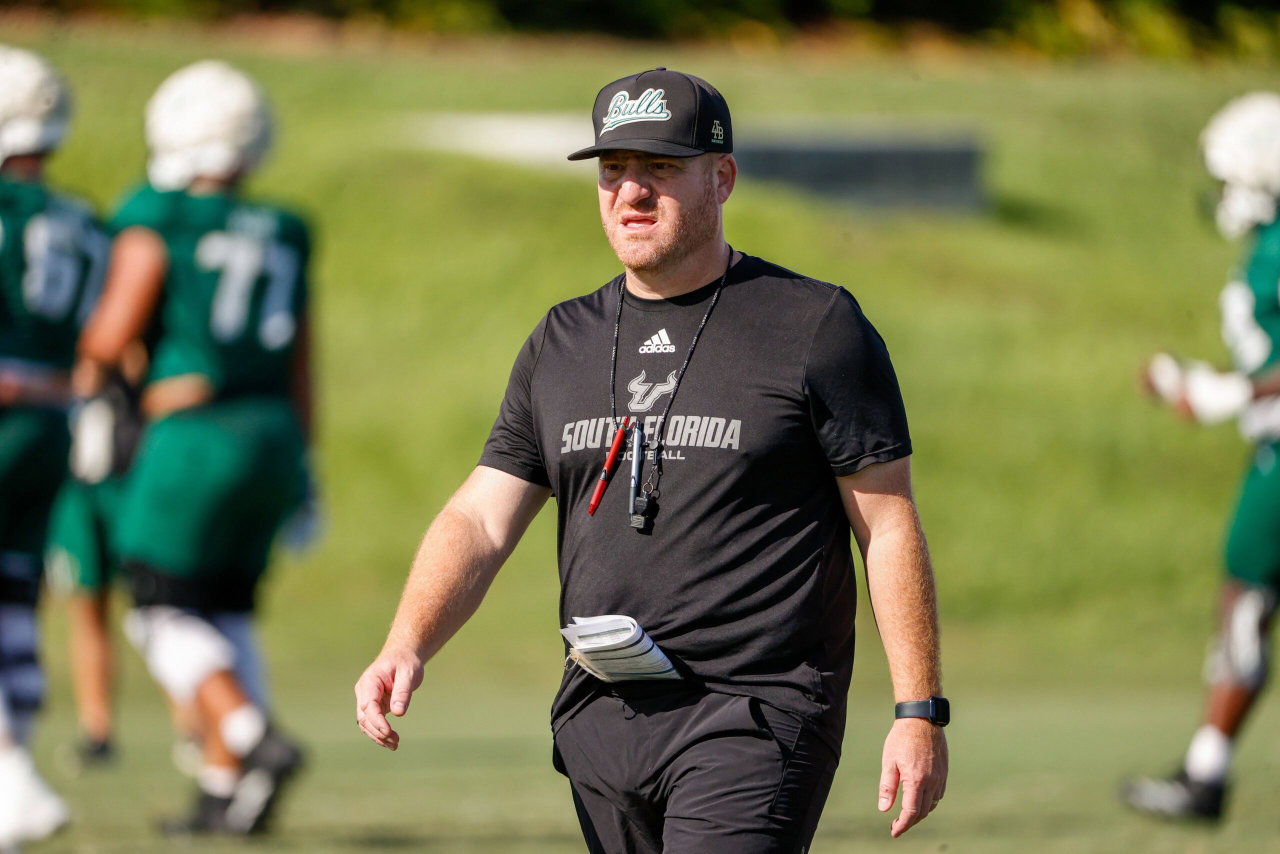
The 2026 SEC Media Days in Tampa just kicked off, but things are already getting way out of hand. A big scheduling mess has local Tampa sports reporters feeling totally snubbed by Auburn University’s PR team. The drama is all over socials because local radio hosts were told they couldn’t get a single minute on the air with Auburn’s new head coach, Alex Golesh, despite trying to book him so many months in advance.
Watch What’s Trending Now!
The communication breakdown started way back in April. Radio broadcaster Wyatt Fulton reached out early to get a spot on the calendar and was told he was safely on the list. When he followed up around the Fourth of July, the school gave him a vague promise that he would “get someone” from the team.
But just a week before the event, he got a cold email saying he wasn’t getting anyone at all. Another local host, Nick Wize, tried booking two weeks out and got completely shut down on Tuesday, and was told the coach was 100% booked solid.
Imago
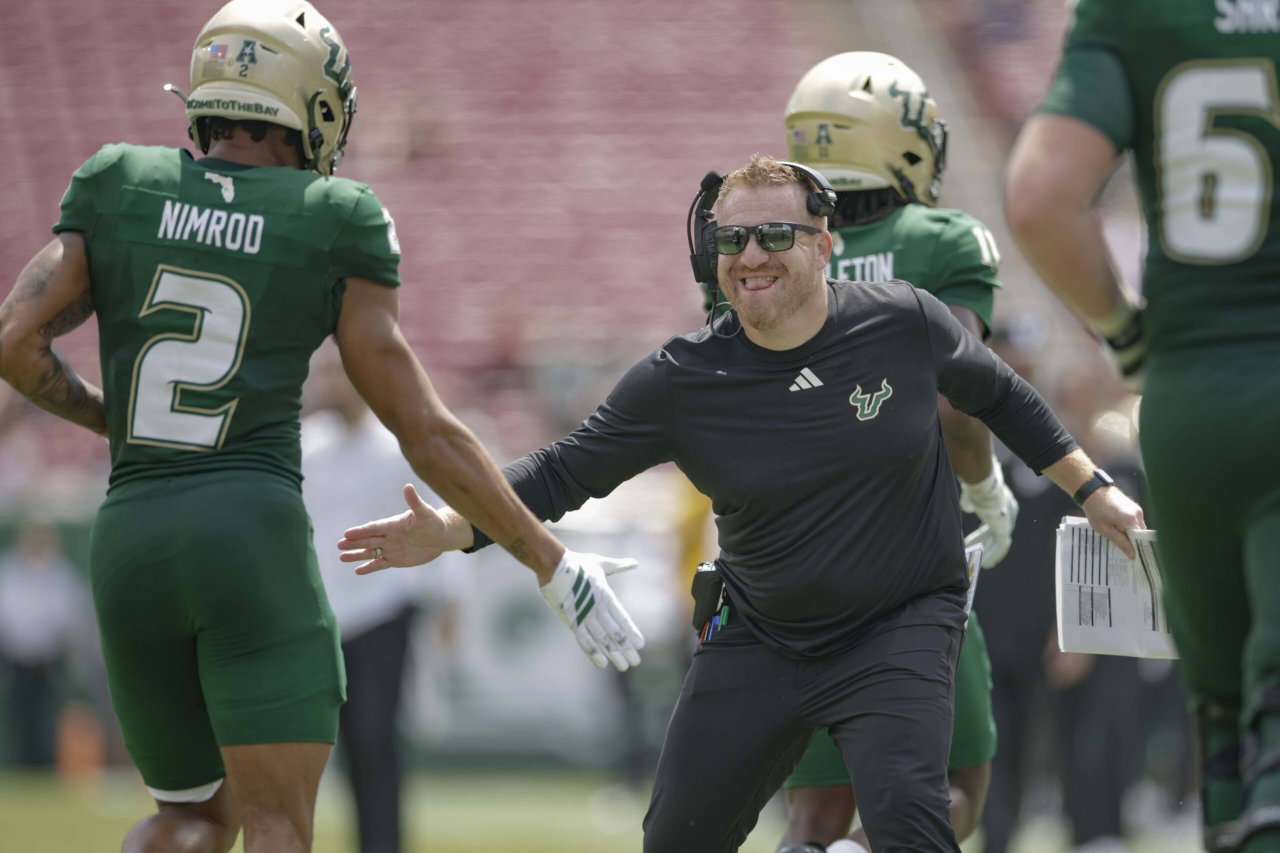
September 20, 2025, Tampa, Florida, United States: South Florida Bulls head coach Alex Golesh congratulates wide receiver Chas Nimrod 2 after he scored a touchdown third quarter during an NCAA, College League, USA football game against the South Carolina State Bulldogs on Saturday, September 20, 2025 at Raymond James Stadium. The Bulls beat the Bulldogs 63-14. Tampa United States – ZUMAh180 20250920_zsp_h180_179 Copyright: xKimxHukarix
The media in Tampa is having a hard time with this. Since they’ve literally hosted the entire SEC Media Days event, local sports stations are dedicating hours of airtime to cover the action right in their own backyard. Local stations, which host the event annually, were shut out of interviews at their own backyard event.
On top of that, Coach Golesh is a name in Tampa. Before taking the Auburn job seven months ago, he was the head coach at the University of South Florida (USF) right here in town for three seasons. Local reporters have spent years building a relationship with him. Golesh should have shown a little hometown courtesy.
There’s a ton of things regarding the actual football roster that reporters wanted to ask about. When Golesh left USF for Auburn, he didn’t go alone. He brought 13 former USF players with him through the transfer portal, including star quarterback Byrum Brown. Local Tampa media were dying to ask him about raiding his old school’s roster, so many people think Auburn’s PR team purposely blocked the interviews to avoid those uncomfortable questions.
Instead of letting him chat with local radio, they funneled Golesh strictly into big national TV spots on the SEC Network and mandatory main-stage press conferences. The only reporters who actually got to talk to him casually were a few beat writers from Alabama who caught up with him on Monday night at a private Auburn Alumni Club event in town.
Auburn has a long history of trying to protect its football program whenever things get uncomfortable
The decision to freeze out local radio hosts in Tampa isn’t something new. It’s just another example of Auburn trying to control the story instead of answering tough questions.
You don’t have to go back very far to find another example. Bryan Harsin rarely gave injury updates, rarely allowed cameras at practice, and usually gave very short answers in interviews. When the school investigated his program before firing him, Auburn shared very little, leaving reporters guessing about what was happening.
More recently, Auburn has also been careful about questions involving the transfer portal and NIL deals. Reporters have said the school’s communications staff often limits questions about player transfers or NIL money. If a topic becomes too sensitive, either interviews end prematurely, or the conversation is diverted to other topics.
This approach goes back decades. During Pat Dye’s era in the early 1990s, Auburn faced a major scandal after secret recordings suggested players were being paid. The school pushed back against reporters and tried to defend itself while the NCAA investigated the case.
So, blocking the Tampa radio hosts may seem surprising, but it’s not the first time Auburn has taken a strong approach to managing the media and controlling the conversation.