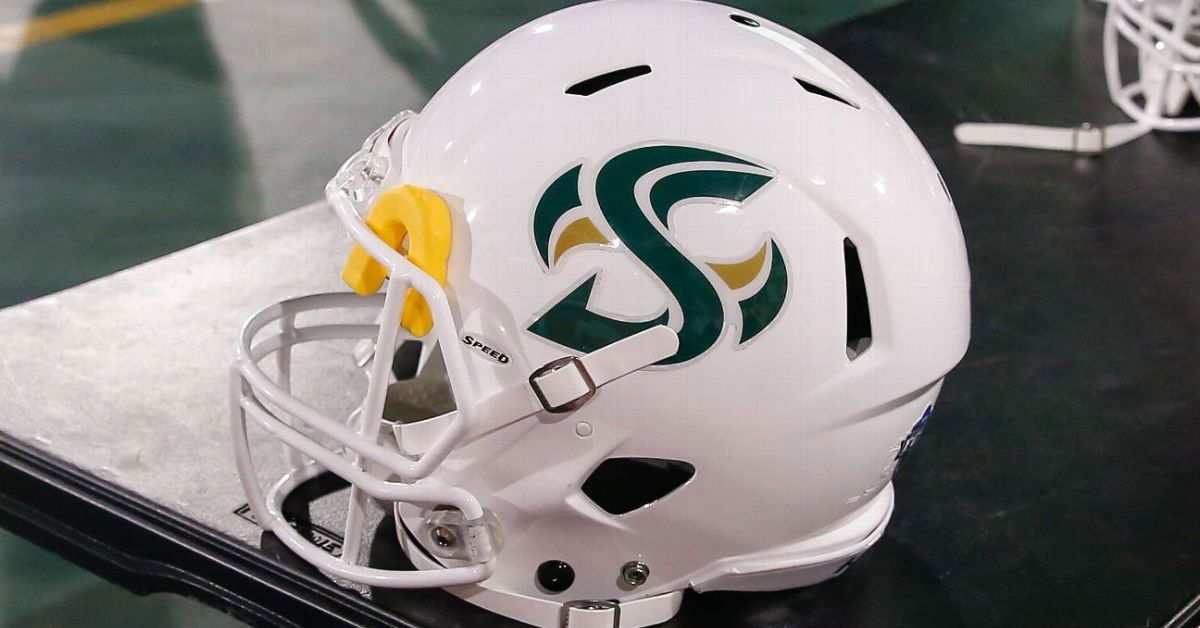
Sacramento State is betting its future on a move to the FBS. It’s a gamble that comes with a staggering $25 million price tag, but the potential for a nine-figure reward over the next five years.
Watch What’s Trending Now!
“The MAC’s deal with Sacramento State – now officially announced – is a 5-year agreement in which the school will take no conference distribution, cover air travel costs of visiting MAC teams and pay $6 million of the $18 million entry fee in Year 1, sources tell @YahooSports,” reported Yahoo analyst Ross Dellenger.
The Hornets’ leap to the FBS comes with a staggering immediate cost of over $25 million. This includes an $18 million conference entry fee, with $6 million due in the first year, an additional $5 million NCAA entry fee, and the responsibility of covering air travel for visiting MAC teams. Compounding the financial strain, the school will receive no share of conference revenue for the entire five-year term.
The deal lets the MAC protect its balance sheet while expanding west, while Sacramento State hopes for long-term gains from this costly sacrifice. MAC safeguards its finances and grows west. Sacramento State hopes the short-term burden leads to long-term gains. They expect more exposure, far better recruiting, and future revenue from this heavy sacrifice.
Sacramento State’s recent move is actually the second big change in just a week! It comes right after North Dakota State Bison’s exciting switch to the Mountain West Conference, which involved a $12.5 million investment.


The MAC’s deal with Sacramento State – now officially announced – is a 5-year agreement in which the school will take no conference distribution, cover air travel costs of visiting MAC teams and pay $6 million of the $18 million entry fee in Year 1, sources tell @YahooSports.
— Ross Dellenger (@RossDellenger) February 16, 2026
When the NCAA rejected Sacramento State’s independence waiver last year, the clock started ticking. The Hornets rode their luck to find a conference home for the 2026 season. From a football standpoint, the Troy Taylor era (2019–22) did most of the heavy lifting.
Only two head coaches in program history have finished above .500. By the time the Hornets kick off MAC play in 2026, they’ll already be on their third head coach since Taylor’s exit. So, they come into the MAC as middle-to-low tier. But the potential nine-figure prize is the driving force behind the move.
The economic report predicts a big prize for the Sacramento State Hornets
Sacramento State’s entire athletics budget this year barely tops $11 million. That budget must stretch across all sports, not just football. All this happens as the Hornets are already staring down a roughly $2.9 million deficit. When it comes to its alumni, Sacramento State is home to an independent collective, including alumni and influential politicians. They have committed about $35 million to boost NIL deals.
John Wood, a Sacramento State graduate and local business leader, commissioned a study and hired a consulting firm to examine the economic impact of five years at the FBS level. The study estimated a $975 million boost to the Sacramento region, or about $250 million per year. David Berri, a sports economist and professor at Southern Utah University, comes up with a bitter reality check for Sacramento State.
According to Berri, the move’s value isn’t in direct athletic revenue. He argues that college athletics often appear more lucrative than they are. Sparkly NIL deals and television contracts usually produce an illusion. But in reality, they hardly convert to meaningful revenue. However, Sacramento State’s move to MAC is not about athletics; it’s about branding.
“If Sacramento State says, ‘I want to spend our money to get a three-hour advertisement of our school once a week around the nation,’ that is more than $18 million,” Berri said. “You don’t have the amount of money to make that happen. But you can do this.”
While the immediate financial hit is severe, Sacramento State is betting on itself. The move is a calculated gamble that the short-term pain of a $25 million investment will yield long-term gains through national exposure, enhanced recruiting, and a stronger university brand. Yes, it’s a nine-figure prize they believe is worth the risk.
Related Newsletters