
Imago
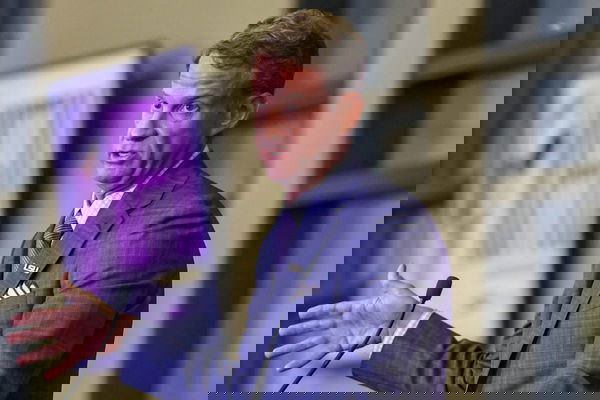
December 1, 2025: New LSU Head Football Coach Lane Kiffin holds his first press conference, PK, Pressekonferenz and meets with the media for the first time at Tiger Stadium s South Stadium Club in Baton Rouge, LA. /CSM Baton Rouge USA – ZUMAc04_ 20251201_zma_c04_045 Copyright: xJonathanxMailhesx
Imago
December 1, 2025: New LSU Head Football Coach Lane Kiffin holds his first press conference, PK, Pressekonferenz and meets with the media for the first time at Tiger Stadium s South Stadium Club in Baton Rouge, LA. /CSM Baton Rouge USA – ZUMAc04_ 20251201_zma_c04_045 Copyright: xJonathanxMailhesx
College sports executives were so confident that the SCORE Act would pass in December 2025. So much so, they even prepared a celebratory post-vote news conference. But a 30-minute discussion changed all their plans. Right before the Act was ready to be brought to the floor, House leadership canceled the vote. One of the major reasons? It was Lane Kiffin’s LSU chase, and the NCAA ended up enduring a great loss.


On the morning of the vote, reps from the NFL Players Association and Athletes.org pulled up to meet the Congressional Black Caucus. They called out the bill for potentially locking down athlete movement and pay. At the same time, they shut the door on athletes ever being labeled employees. But the third reason was Kiffin’s exit mid-season.
Watch What’s Trending Now!
“The Lane Kiffin stuff was not good timing,” said a source familiar with the situation.
The move was followed by a seven-year, $91 million deal for Kiffin. But in this process, the NCAA ended up losing more than what Kiffin is going to earn at LSU. Now think about it in this way.
The proposed SCORE Act was designed to give the NCAA a layer of legal protection. It offered a limited antitrust exemption to help shield it from lawsuits tied to eligibility rules and governance. In a landscape filled with legal challenges, it was a move to keep the NCAA in control without constant courtroom battles.
Imago
Credits: IMAGO
Now, if we take the past couple of months, the NCAA has been dragged through court over either NIL disputes or players seeking another year of eligibility. Had Kiffin not left mid-season, the SCORE Act might have passed, and the NCAA would not have been left so exposed and vulnerable to legal chaos.
It got messy real quick. Duke Blue Devils sued Darian Mensah and blocked his next move with a restraining order after he entered the portal, even with an $8 million deal in play. Sure, they settled, but the legal battle still burned a hole in the NCAA’s credibility and the broader system it governs.
As Tennessee quarterback Joey Aguilar fought for yet another year of eligibility, the case put the NCAA’s eligibility framework back under scrutiny. But no green light came from the judge, as the quarterback was denied his injunction request on Feb. 20 — a small reprieve that does little to patch the cracks in the NCAA’s legal armor.
Even though Kiffin’s jump to LSU led House’s plan to pass the SCORE Act to backfire, after a tumultuous season, we now know how it would have brought the NCAA far greater institutional control and stability. Section 9 of the SCORE Act could have flipped the NIL game on its head. It would have given the NCAA antitrust cover for enforcing its rules — ironically, the same kind of legal battles that opened the door for NIL in the first place. Bottom line? It would have put the NCAA back in control of how much athletes can earn and how they can move.
Now that the SCORE Act conversations are back on Capitol Hill, lawmakers are pushing for a new rule, and Kiffin has his name in it.
The Lane Kiffin Rule debate as the SCORE Act gets a second shot
After four months, as the SCORE Act now proceeds, it is undergoing several modifications. It includes discussions on the guidelines related to the timeline when a program hires a coach. Since Kiffin left Ole Miss at a bad spot, just before the College Football playoff, it would prohibit the poaching of head coaches during a team’s playing season.
“Call it the ‘Lane Kiffin Rule,’” a Congressional staff member said.
But some of the members believe that they must just focus on the SCORE Act since the Kiffin factor might bring distractions.
“Why would Mike Johnson and Steve Scalise think it was a good idea to bring the Lane Kiffin Protection Act to the floor of the House of Representatives? Legislation that would do nothing to benefit college athletes and everything to benefit coaches like Lane Kiffin, who got out of town, abandoned his players in the middle of a playoff run to go get a $100 million contract from LSU, the home state of Mike Johnson and Steve Scalise,” said House Minority Leader Hakeem Jeffries.
The vote was supposed to go down this month. But it’s now getting pushed to mid-to-late April. Between war discussions clogging the schedule and Republicans still pushing for votes, nothing’s locked in. Time to see whether things go in college football’s favor this time.
Written by

Edited by

Yogesh Thanwani