Imago
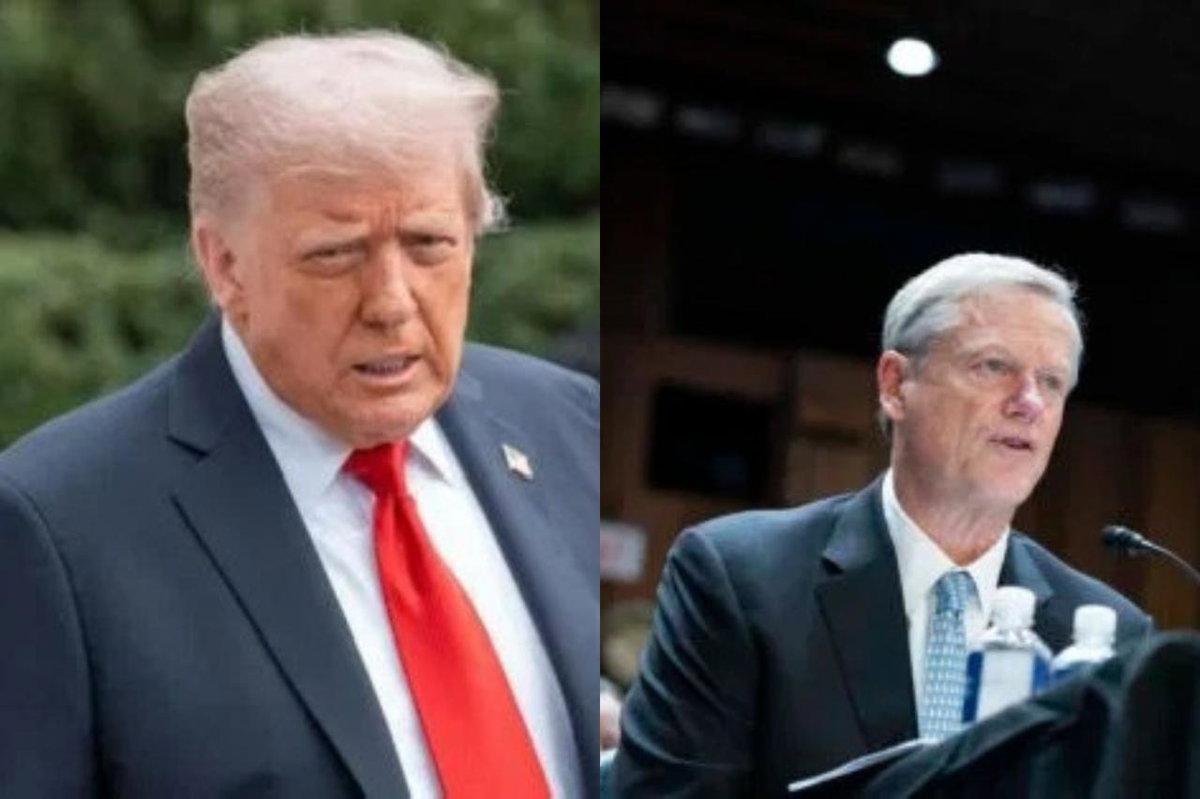
Donald Trump and Charlie Baker (Image via: IMAGO)
Imago
Donald Trump and Charlie Baker (Image via: IMAGO)
The NCAA has long governed how college sports operate, but it has also had to heed court decisions. A significant one came in 2021, paving the way for NIL. At the same time, the House vs. NCAA settlement allowed programs to distribute revenue among athletes. However, Athlete eligibility has become a $16 million headache for the governing body, and after years of costly legal battles, it is finally being forced to seek a permanent solution.
Watch What’s Trending Now!
According to reports, the NCAA is now considering “significant change” to its eligibility rules. An NCAA committee will explore a new age-based standard next week, which has been in the works for weeks now. After the proposal comes into force, NCAA athletes will have five years of eligibility starting at 19 years of age or upon high school graduation. No waivers, exceptions, or redshirts will be accepted except for a narrow list of reasons.
The NCAA will only allow waivers for athletes now serving on maternity leave, engaged in military service, or on religious missions. Members of the NCAA Division 1 cabinet will review the proposal at their next meeting, although the timeline remains unclear. According to Yahoo Sports, it remains “weeks or months” away, and officials will likely roll out the implementation in phases.
Top Stories






The NCAA stakeholders will take steps to avoid affecting current NCAA athletes’ eligibility. But it remains unclear whether athletes in their fourth or fifth year of eligibility will be granted a fifth season under the new rules. But the NCAA is not making this decision on its own. It comes after President Donald Trump signed an executive order “commanding” the NCAA to draft several rules, including those on eligibility.
While the move would align with a directive in Donald Trump’s executive order – 5 years of eligibility – NCAA and conference leaders have been exploring the potential change for weeks.
The NCAA DI Cabinet is set to review the proposal next week.https://t.co/8QEC4GNvZe
— Ross Dellenger (@RossDellenger) April 8, 2026
Yet, the NCAA was longing for such a change, especially after a long list of lawsuits started piling up. It started with Diego Pavia, who challenged his denial of an NCAA waiver and obtained an injunction to play an extra year due to his JUCO tenure. Most recently, Ole Miss QB Trinidad Chambliss got an extra year of eligibility.
“The phone calls I get from coaches and ADs are pretty consistent: ‘I don’t like it when what judge ends up in front of and what state they’re in determines whether somebody gets to play another year. That’s not fair,” NCAA president Charlie Baker said in January. “I have a hard time arguing with that.”
In the last academic year, the NCAA received 1,450 waiver requests to extend eligibility. It granted two-thirds of those requests. But among those denied (around 500), 70 led to lawsuits against the college athletics regulator. Despite the NCAA winning more than half of those lawsuits, the legal fees to do so are piling up, as it spent $16 million just last year. Will Trump’s executive order change everything?
Will President Trump’s executive order change the landscape of NCAA athletics?
President Trump signed a 10-page executive order before the NCAA’s final-four basketball tournament. It granted the NCAA the power and suggested measures to address athletes’ transfer movement, slash player eligibility, and emphasize funding requirements for women’s and Olympic sports. Not just that, it aims to “bring stability to the landscape in certain key areas” and also prohibits “fraudulent NIL schemes,” including NIL collectives.
Currently, NCAA athletes can play for 5 years, including 1 year of redshirting. They can apply for waivers for missing a season due to injury, health issues, or other reasons within the NCAA’s purview. But now, the executive order not only limits athletes’ movement but also reinstates a single-time transfer. If it comes to force, athletes transferring for the second time will have to sit out for one year before making an appearance for the new program.
Like all executive orders, this one, too, will likely face legal scrutiny. Courts have struck down several of the president’s orders recently. Moreover, at a White House roundtable, Donald Trump said he expected the order to face legal challenges and hoped for a favorable judge. President Trump has repeatedly called for “going back to the old system,” but to implement what this order entirely does. For now, the NCAA has until August 1 to implement the order’s guidelines, and the new eligibility rule is just one part of the whole package.
Written by

Edited by

Amit