
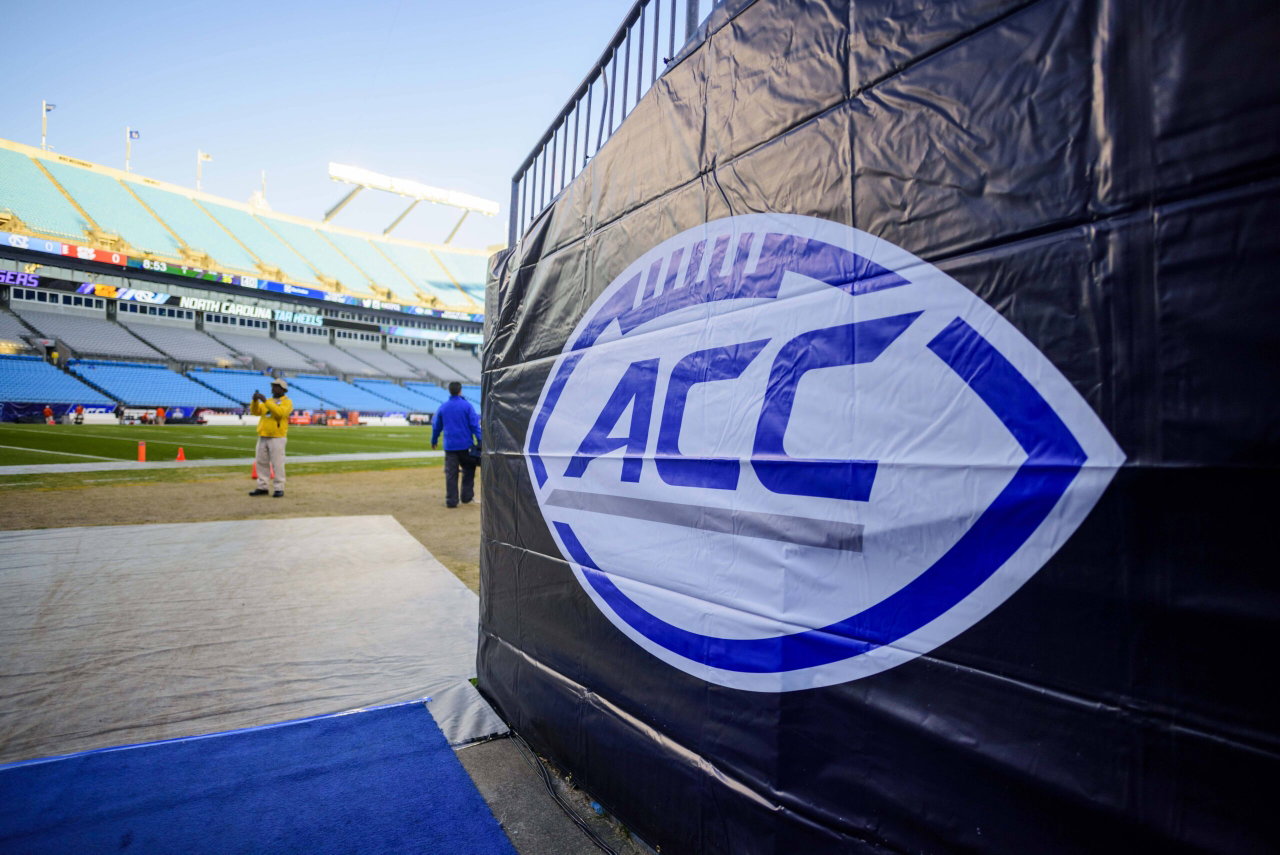
Florida State and Miami have spent months trying to find an exit door out of the Atlantic Coast Conference. But a new federal bill, the Protect College Sports Act, threatens to trap them. It forces any school switching conferences to sit out for five long years as an independent.
Watch What’s Trending Now!
A newly filed Senate amendment gives a 180-day escape window to programs like Florida State and Miami if Congress ultimately passes the pending legislation. Florida U.S. Senator Ashley Moody proposed the measure to protect her state’s flagship athletic programs, filing three key amendments to the federal bill. Her proposal creates a targeted exception for Power Four schools to bypass that five-year waiting period completely.
If this amendment gets approved, any powerhouse school can avoid the five-year probation if they formally pack their bags and quit their current conference within 180 days of the bill becoming law. It is a very tight “get out of jail free” window, giving schools exactly six months to make their big move.
The amendment is still highly selective. It only applies to schools that are already members of a Power Four conference. It explicitly denies any exemption to Group of Six schools. For example, the University of South Florida (USF), which is currently in the American Athletic Conference, would not be allowed to use this grace period to advance into a power league, keeping the ceiling firmly locked on lower-tier conferences.
This is a massive deal because FSU and Miami have been open about being trapped in the ACC for a while now. They are missing out on the massive TV money that rival schools in the SEC and the Big Ten are pulling in. Congressional approval gives both schools a legal green light to pursue higher-paying conferences.
Even if Senator Moody wins this legislative battle in Washington, federal law only solves half their problem. Congress can waive national probationary rules, but it cannot automatically cancel private business contracts. A six-month federal window gives Florida State and Miami a doorway, but they still have to unlock the ACC door itself. But hold on, because it is not an easy exit just yet.
Even if this federal law passes and clears the five-year penalty out of the way, the schools still have to deal with the ACC Grant of Rights contract. This is where the entire dispute appears to be coming from. This contract combined with the ACC’s television contract with ESPN, signed by former commissioner John Swofford is the trap. While intended to provide long-term stability, it locked the conference’s members into a fixed revenue model until 2036
This agreement grants the conference exclusive ownership of every school’s home television broadcast rights. Walking away early means forfeiting massive broadcast distributions and facing exit fees that could surpass several hundred million dollars.
As the Big Ten and SEC signed massive new multi-billion dollar TV contracts, a devastating financial gap emerged. Big Ten and SEC schools began pulling in roughly $80 million to $100 million annually per school, while ACC schools were left stranded at roughly $42 million.
After lawsuits and agitations by the heavyweights within the conference, the ACC did choose to abandon its equal-revenue sharing model. It agreed that 60% of the media rights pool would now be distributed strictly based on TV viewership, allowing FSU, Clemson, and Miami to keep a much higher share of the money they generated. But it still keeps them leagues away from programs like Ohio State and Alabama.
The Senate actually just went on a break without holding a final vote on the bill. Lawmakers are still arguing over other parts of the act, like player salary caps and health benefits, so the whole thing is stuck in limbo for now.
So, what happens next? FSU and Miami are basically stuck waiting to see if Congress will actually pass this law later this fall. If it passes with the amendment intact, expect pure chaos in college sports as schools rush to beat that 180-day deadline.
Let’s say the bill gets approved, then the only question is..
Will either of them make the jump?
Even though these schools are desperate to leave, it is highly unlikely either one will actually make the jump anytime soon. It turns out that a fancy new government amendment cannot magically erase the massive legal and financial walls blocking their exit.
The ACC’s terrifying “Grant of Rights” is too much to bear. It means giving up their TV revenue and paying massive exit fees.
If you take that out of consideration for a minute, nobody is actually waiting to catch them, apparently. The two richest leagues, the SEC and the Big Ten, are not offering open invitations right now.
The broader bill, the Protect College Sports Act, actually includes strict limits designed to stop the powerhouse conferences from growing any larger. Unless those rules are heavily altered, the SEC and Big Ten might be legally locked out from taking new teams altogether for the next couple of years.
So for now, the grand escape plan is not looking all that good. Unless a judge throws out the ACC’s contract (very unlikely) or a major conference steps up with an invitation, these programs are going to remain exactly where they are.