Imago
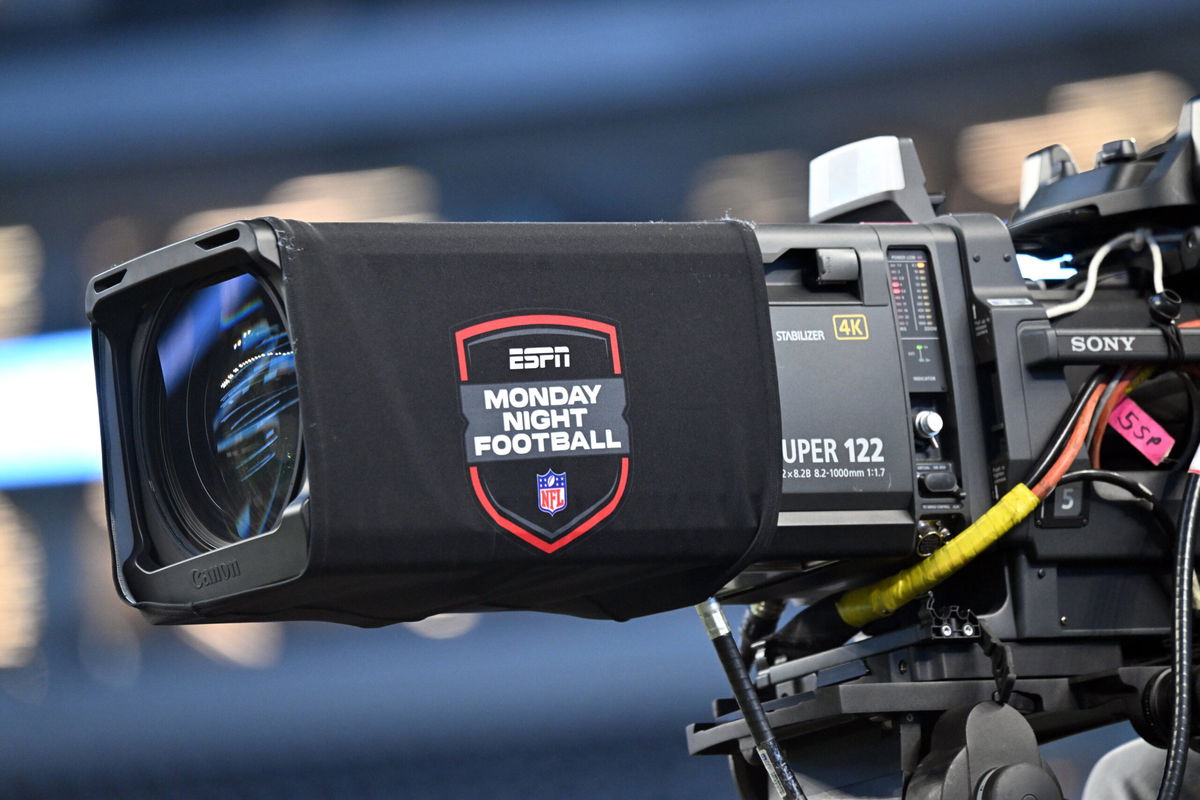
An ESPN camera on the sidelines during the Dallas Cowboys Arizona Cardinals gane at AT&T Stadium in Arlington, Texas on Monday, November 3, 2025.. Monday Night Football iwas not on YouTube TV because of a carriage dispute between Disney and Google. PUBLICATIONxNOTxINxUSA ARL2025110326 IANxHALPERIN
Imago
An ESPN camera on the sidelines during the Dallas Cowboys Arizona Cardinals gane at AT&T Stadium in Arlington, Texas on Monday, November 3, 2025.. Monday Night Football iwas not on YouTube TV because of a carriage dispute between Disney and Google. PUBLICATIONxNOTxINxUSA ARL2025110326 IANxHALPERIN
Imago
An ESPN camera on the sidelines during the Dallas Cowboys Arizona Cardinals gane at AT&T Stadium in Arlington, Texas on Monday, November 3, 2025.. Monday Night Football iwas not on YouTube TV because of a carriage dispute between Disney and Google. PUBLICATIONxNOTxINxUSA ARL2025110326 IANxHALPERIN
Imago
An ESPN camera on the sidelines during the Dallas Cowboys Arizona Cardinals gane at AT&T Stadium in Arlington, Texas on Monday, November 3, 2025.. Monday Night Football iwas not on YouTube TV because of a carriage dispute between Disney and Google. PUBLICATIONxNOTxINxUSA ARL2025110326 IANxHALPERIN
The NFL has plenty to sort out ahead of the 2026 season. While the league is preparing for its next round of media rights negotiations, the bigger development came when the ESPN–NFL Network merger officially went through. As part of that transaction, the NFL regained control of four regular-season games, putting a rare block of live inventory back on the open market for the first time in years. The league now has a chance to test new distribution waters and see what the open market is willing to pay for live game windows once locked into a single network.
Watch What’s Trending Now!
Nothing is finalized yet, but Sports Business Journal’s Austin Karp and Ben Fischer report that YouTube is emerging as the early leader for the four-game package, with several other parties still interested.
The situation stems from the transaction receiving formal approval from U.S. and international regulators in early February, clearing the way for ESPN to take control of NFL Network, NFL Fantasy Football, and distribution rights to the RedZone channel. In exchange, the NFL acquired a 10% equity stake in ESPN, a holding valued in the billions, while retaining ownership of several key digital properties, including NFL Films, NFL.com, and NFL+.
Under the terms of the deal, ESPN absorbed three of the seven regular-season games NFL Network previously aired each season. The league, however, specifically reclaimed rights to four international games. What exactly those four games will be remains unclear. However, reports suggest the package could include a mix of international contests, late-season matchups, or special-event windows. Sources also indicate the NFL is exploring whether future Black Friday matchups, currently held by streaming partners, could eventually become part of similar standalone bundles.
For now, NFL Network is still expected to carry a significant portion of the league’s international slate in 2026.

That international element is key here. The 2026 season is set to feature nine overseas games. If YouTube lands the package, it could stream one of them. The Dallas Cowboys’ Brazil game, for example, is scheduled for a 4:25 p.m. ET window, making CBS or Fox logical fits.
But the Australia game, which will be the first of its kind, remains available. And whether that becomes part of the four-game bundle is still uncertain. For now, neither YouTube nor the league has commented publicly. Still, YouTube’s positioning makes sense.
Despite holding exclusive rights to NFL Sunday Ticket, the platform hasn’t streamed many standalone regular-season games. One notable exception was last season’s Week 1 Brazil matchup between the Kansas City Chiefs and the Los Angeles Chargers.
That game drew 18.5 million U.S. viewers, plus roughly 1.1 million internationally, a strong proof of concept. The broader picture is clear. The NFL is steadily expanding its streaming footprint while maintaining traditional broadcast partnerships. By carving out smaller, flexible game packages, the league creates additional revenue streams without disrupting existing deals.
Streamers like YouTube and Netflix get a foothold while the NFL gains leverage and optionality. For now, YouTube’s reported lead remains early-stage. But with the league preparing for its next major media negotiations, this four-game package feels less like an isolated sale and more like part of a larger strategic shift.
The NFL’s intention to double the media rights could affect legacy broadcasters
“I think our partners would want to sit down and talk to us at any time, and we continue to dialogue with them. I like that opportunity. Obviously, it’s not going to happen this year. But it could happen as early as next year. That could happen.” With that comment in 2025, Roger Goodell made it clear the NFL could begin renegotiating its media rights deals as soon as 2026.
Fast forward to now, and even though the league’s current contracts don’t allow a formal opt-out until 2029 at the earliest, the expectation is that negotiations for the next wave of media rights could begin as soon as this year. And new reporting is starting to outline how those talks might unfold.
At present, the NFL generates roughly $10 billion annually from broadcast and streaming rights. But according to Puck’s John Ourand, Goodell is eyeing a dramatic jump, potentially doubling the average annual value and pushing media revenue closer to $20 billion.
On paper, that kind of increase makes sense. In practice, it complicates things for legacy broadcasters like CBS, FOX, NBC, and ESPN, all of whom remain tied to the declining pay-TV bundle. Asking them to significantly raise their NFL payments would apply serious financial pressure.
That’s where streamers enter the picture. Reports suggest the league could carve out smaller, specialized game packages for platforms such as Amazon (Thursday Night Football), YouTube (Sunday Ticket), and Netflix (Christmas games). Each already holds a slice of NFL inventory, and future deals could expand that to roughly five-game blocks per platform.
To make that happen, the NFL would need to reallocate some games currently assigned to traditional networks and shift them to streaming partners. If the league is indeed targeting a doubling of media revenue, that kind of redistribution becomes plausible.
At the same time, legacy broadcasters would still be expected to increase their annual payments. How the balance ultimately shakes out will depend on the negotiations, and those discussions appear closer than ever.
Related Newsletters