Imago
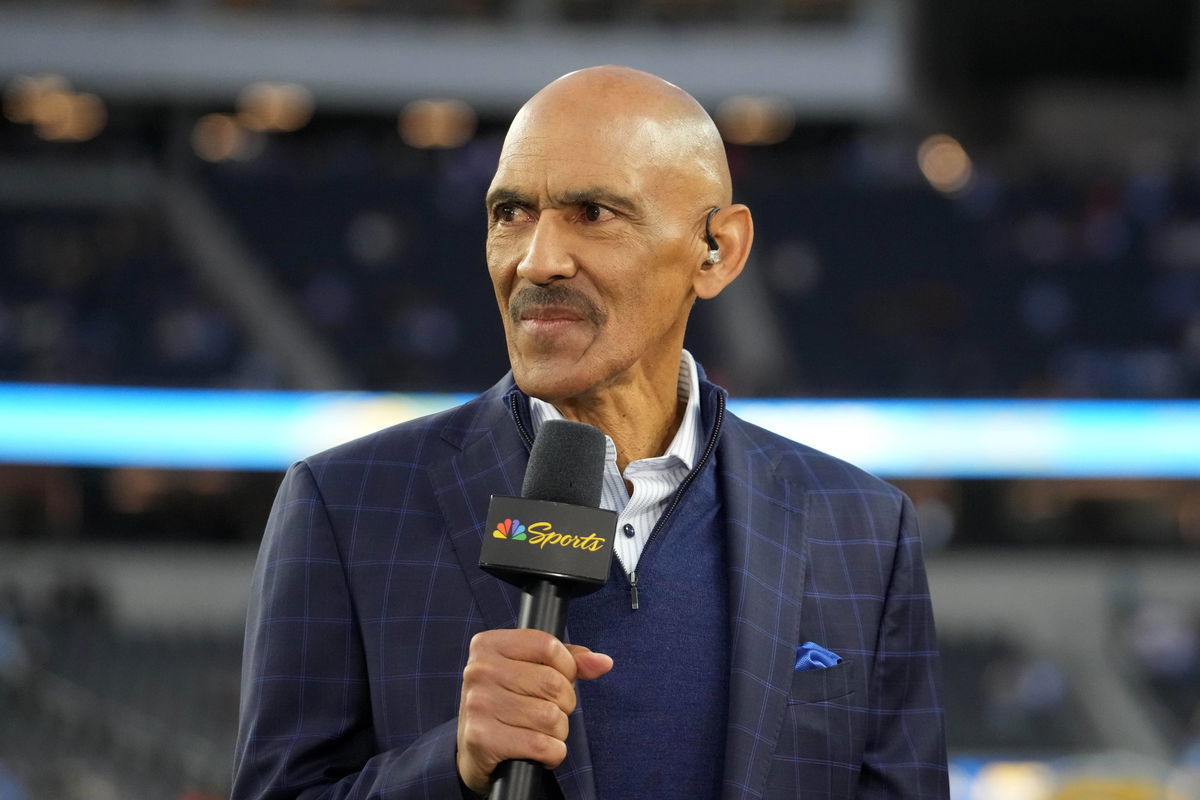
NFL, American Football Herren, USA Cincinnati Bengals at Los Angeles Chargers Nov 17, 2024 Inglewood, California, USA Tony Dungy attends the game between the Cincinnati Bengals and the Los Angeles Chargers at SoFi Stadium. Inglewood SoFi Stadium California USA, EDITORIAL USE ONLY PUBLICATIONxINxGERxSUIxAUTxONLY Copyright: xKirbyxLeex 20241117_tbs_al2_678
Imago
NFL, American Football Herren, USA Cincinnati Bengals at Los Angeles Chargers Nov 17, 2024 Inglewood, California, USA Tony Dungy attends the game between the Cincinnati Bengals and the Los Angeles Chargers at SoFi Stadium. Inglewood SoFi Stadium California USA, EDITORIAL USE ONLY PUBLICATIONxINxGERxSUIxAUTxONLY Copyright: xKirbyxLeex 20241117_tbs_al2_678
Tony Dungy often talks about his father and the one lesson that stayed with him: Don’t complain about the lack of opportunities, focus on what you can do to make it better. Early in his NFL coaching journey, especially as an African-American coach, Dungy understood what that lack of opportunity looked like.
Watch What’s Trending Now!
But when he became the head coach of the Tampa Bay Buccaneers, he leaned into that lesson. He made it a point to hire and create opportunities for other black coaches, many of whom went on to reach the Super Bowl or become head coaches themselves. This week, on the latest episode of The Just Life, Dungy reflected on those early head coaching years through the lens of what his father taught him.
“We kind of complained about African-Americans not getting opportunities, and I was an assistant for 15 years, and people said, ‘Oh, this guy should get a head job and people said he’s too softspoken. He’s too nice,'” Dungy said. “I finally got the job. What can I do to make it better?
“So, rather than complain, I hire Lovie Smith, Jim Caldwell, Herm Edwards, Mike Tomlin, and all those guys go on to become head coaches. Some of them go on to Super Bowls. But that was strictly from my dad. Don’t complain. What can I do to make it better? Let me find some young, sharp guys who are going to carry this baton.”
Before Tampa Bay, Dungy built his résumé as an assistant with the Minnesota Vikings, Pittsburgh Steelers, and Kansas City Chiefs. When he first entered the league, there were only a handful of African-American assistants.
Names like Willie Brown, Buck Buchanan, Earnel Durden, Bob Ledbetter, Elijah Pitts, Jimmy Raye, and Johnny Roland were the ones he later referenced in his Hall of Fame speech. They weren’t widely known, but to Dungy, they represented the same mindset his father had. They didn’t complain, they kept working.
That perspective shaped what Dungy wanted to do once he got his chance. When he became head coach in 1996, he started building pathways for others. He brought in coaches from the college ranks and helped them grow into NFL leaders, including Lovie Smith, Jim Caldwell, Mike Tomlin, and Leslie Frazier.
Dungy hired Smith out of Ohio State as a linebackers coach. From there, Smith went on to reach a Super Bowl as a coordinator with the St. Louis Rams and later became the head coach of the Chicago Bears, where his defenses consistently ranked among the league’s best. He later coached Tampa Bay and Illinois.
Jim Caldwell followed a similar path. He joined Dungy’s staff as quarterbacks coach in 2001 and eventually succeeded him as head coach of the Indianapolis Colts in 2009. He later became the first African-American head coach of the Detroit Lions, posting a 36-28 record there.
Leslie Frazier joined as a defensive assistant in 2005, won a Super Bowl with the Colts in 2006, and went on to become head coach of the Vikings.
Tomlin, on the other hand, was serving as the defensive backs coach in Cincinnati when Dungy brought him on his coaching staff for the same position in 2001. After developing under that system and spending time as a coordinator, Tomlin became head coach of the Steelers, leading them for nearly two decades and winning a Super Bowl.
For Dungy, watching those careers unfold became one of the most meaningful parts of his own journey.
“One of my proudest things of my career is Lovie Smith and Jim Caldwell and Mike Tomlin going to Super Bowls … and Herm Edwards and Leslie Frazier [becoming head coaches] — getting guys who weren’t household [names] opportunities. I thought that was important. Especially at the time.”
Dungy himself was the fifth African-American head coach in NFL history and the first to win a Super Bowl. But if you zoom out, his legacy isn’t just about wins. It’s about what he chose to do with the opportunity once he got it. He didn’t spend time complaining about the system. He focused on changing it.
Tony Dungy addressed the lack of minority coaching hiring
The league had 10 head coaching openings this offseason. Yet, the Tennessee Titans were the only team to hire Robert Saleh, who is of Lebanese descent. Despite the presence of the Rooney Rule, there were no Black head coach hires in this cycle.
That naturally brought the conversation back into focus. But when Tony Dungy was asked about it, he didn’t lean into the usual criticism. Instead, he pushed back on the idea that owners are intentionally avoiding Black coaches.
“I’m one, I don’t believe there are guys sitting there saying, ‘I want to win, but I don’t want a black coach to win for me.’ No, these guys want to win,” Dungy said. “A lot of them don’t know how to win, they don’t know what they’re looking for, and there are some guys who are under the radar who are not the well-known candidates who are very, very good coaches.”
At the league level, Roger Goodell acknowledged that diversity has improved over time. At the same time, he made it clear that the league still has work to do. In the end, this isn’t a settled issue. The intent to improve is there, but the results haven’t fully caught up. And until they do, this conversation isn’t going anywhere.
