
Imago
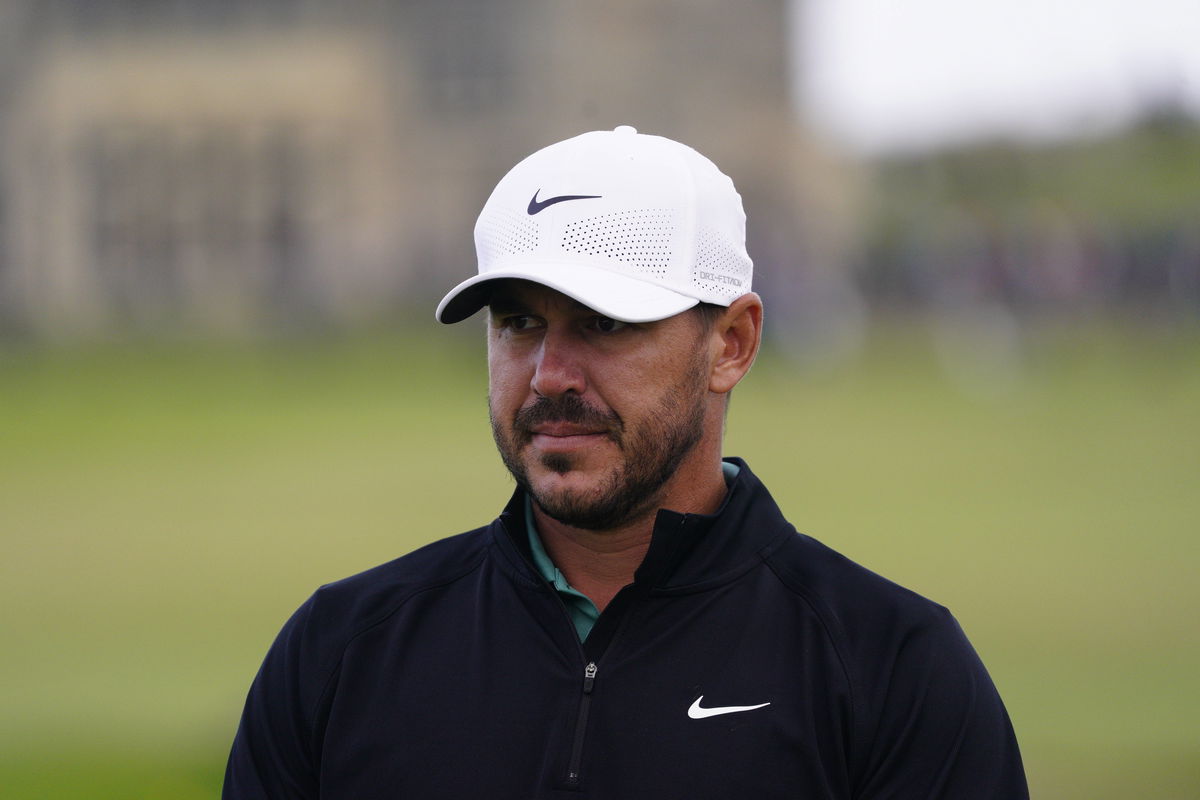
Alfred Dunhill Links Championship 2024 Brooks Koepka USA on the 18th tee during Round 3 of the Alfred Dunhill Links Championship 2024 at St. Andrews Golf Club, St. Andrews, Fife, Scotland. 05/10/2024. Picture Thos Caffrey / Golffile.ie All photo usage must carry mandatory copyright credit Golffile Thos Caffrey St. Andrews Old course St. Andrews Fife Scotland Copyright: xThosxCaffreyx *EDI*
Imago
Alfred Dunhill Links Championship 2024 Brooks Koepka USA on the 18th tee during Round 3 of the Alfred Dunhill Links Championship 2024 at St. Andrews Golf Club, St. Andrews, Fife, Scotland. 05/10/2024. Picture Thos Caffrey / Golffile.ie All photo usage must carry mandatory copyright credit Golffile Thos Caffrey St. Andrews Old course St. Andrews Fife Scotland Copyright: xThosxCaffreyx *EDI*
Brooks Koepka finished T37 at the 2017 FedEx St. Jude Classic. One week later, he won the U.S. Open by four strokes. What changed? Pete Cowen gave him hell.
Watch What’s Trending Now!
The world’s 22nd-ranked player had just sleepwalked through four rounds in Memphis. His scores looked acceptable—68-66-72-73, one-under total—but the demeanor didn’t. Cowen watched from the ropes and saw something worse than missed cuts. He saw a player who’d given up before the tournament ended.
“He was a disgrace, walking around as though his dog had died. Poor me, poor me, poor me.” Cowen recalled on Rick Shiels’ podcast. “You embarrass me. I was embarrassed. Totally embarrassed. Your attitude was poor. With an attitude like that, you win nothing,” Cowen told Koepka.
ADVERTISEMENT
Cowen sat Koepka down and delivered this message without a cushion before Erin Hills began. The lecture took place in the chipping area at Erin Hills, with a finger raised like a schoolteacher. Koepka sat. Caddie Ricky Elliott sat beside him. Graeme McDowell and caddie Ken Conboy drove past mid-reprimand. “Oh my goodness,” one muttered. “He’s getting a bollocking from Pete.”
Imago
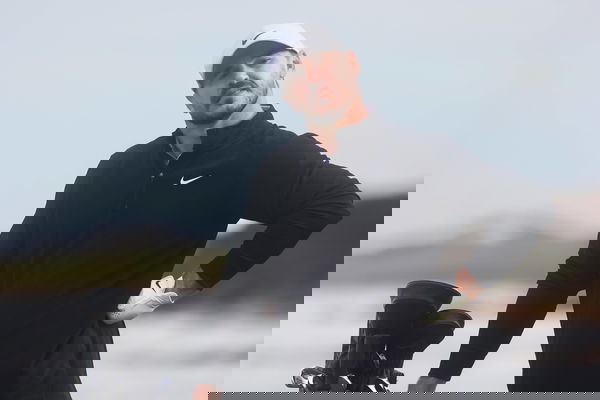
4th October 2024 Kingsbarns, Fife, Scotland Alfred Dunhill Links Golf Championship, Round 2 Brooks Koepka of the USA on the 15th tee on Kingsbarns Golf Links, during the second round of the Dunhill Links Championship PUBLICATIONxNOTxINxUK ActionPlus12699876 DavidxYoung
The St. Jude performance had been the trigger. The iron play held. The ball-striking remained solid. But the putting collapsed in the final two rounds, and the attitude crumbled with it. Koepka lost 4.6 strokes on the greens on Friday alone. The frustration leaked into his body language, his pace, his presence. Cowen had seen enough.
ADVERTISEMENT
Finally, Koepka won the U.S. Open by four strokes. His 16-under total tied the lowest score relative to par in championship history. It was his first major. He’d go on to win four more, including back-to-back U.S. Opens in 2018. After Erin Hills, Koepka sent Cowen one text. It’s the only message the coach kept.
“Thanks for the bollocking,” it read. “I couldn’t have won that tournament without it.”
ADVERTISEMENT
The transformation took seven days. One tournament to expose the problem. One conversation to confront it. One major championship to validate the method.
The challenge was whether Koepka would exhibit the mindset of a champion or remain the petulant child from the previous week. The line held. Cowen didn’t soften it.
Top Stories
Reactions Pour In as Jordan Spieth’s Strange On-Course Moves Catch Fans Off Guard
Wishes Pour in for Golf Legend After He Underwent Open Heart Surgery for Concerning Health Issue

‘He’s Mean’: Vijay Singh Put Ex-Caddie Through Serious Hardships as PGA Tour Looper Opens Up
Paige Spiranac Feels ‘Deeply Misunderstood’ as She Accepts Sad Reality About Golf Career

Tiger Woods’ $3.5B Sponsor Sues American Giant Callaway for Alleged Libel – Report

ADVERTISEMENT
Why Pete Cowen’s bollocking worked on Brooks Koepka
The reprimand only landed because of who delivered it. Cowen’s resume carried 13 major championships across his students and over 300 worldwide wins. Henrik Stenson won the 2016 Open Championship under his guidance. Darren Clarke claimed the 2011 Open after a similar confrontation. Graeme McDowell took the 2010 U.S. Open. Lee Westwood and Clarke both left Cowen at different points in their careers. Both returned.
“People are frightened of losing their jobs,” Cowen explained. “I’ve never been frightened of losing the job.”
That indifference created space for honesty. Cowen didn’t need Koepka’s approval. He didn’t need the paycheck badly enough to coddle. The credibility spoke before the words did.
ADVERTISEMENT
Koepka had shown flashes in majors before Erin Hills—T4 at the 2014 U.S. Open, fourth at the 2016 PGA Championship. The talent existed. The consistency didn’t. The attitude threatened to derail what the game should’ve already delivered.
Cowen mentioned Stenson and Clarke needed similar wake-up calls before their major wins. The pattern held. Elite players surrounded by yes-men rarely hear the truth until it’s too late. Cowen built his career refusing to be one of those voices.
“I don’t take people back now,” he said, reflecting on his evolution. He’s past the phase of building a business. He can afford to walk away. That freedom fosters honesty, turning good players into champions.
ADVERTISEMENT
The St. Jude-to-Erin Hills timeline proved the method. Koepka didn’t need technical fixes. His swing held. What he needed was someone willing to embarrass him, risk the relationship, and trust the confrontation would stick.
It did. The text confirmed it. The trophy proved it.
ADVERTISEMENT
ADVERTISEMENT
ADVERTISEMENT
