In a sport where most drivers’ earnings fluctuate with wins, sponsorships, and performance, one name remains near the top of the earnings list even in a rough season: Kyle Busch. However, under-par his results may be currently, many industry sources still credit him as the highest-paid driver in 2025.


With guaranteed salary, endorsement deals, and legacy value working in his favor, Busch’s income remains firmly at elite levels. As we unpack Busch’s earnings, compare him to another top veteran, and look at how driver income works in NASCAR, you’ll see why pay matters as much as horsepower.
Watch What’s Trending Now!
How much does Kyle Busch earn in 2025?
In 2025, multiple reliable sources estimate Kyle Busch’s total annual compensation at roughly US $16.9 million. That includes base salary from his team along with race winnings, bonuses, sponsorships, and endorsement deals.
Busch’s career has given him strong name recognition and significant marketability. Even after moving from his longtime home at JGR to Richard Childress Racing (RCR), his contracts remained substantial because teams are often willing to pay for his legacy credibility and sponsorship appeal.
Combine that guarantee with long-term sponsor relationships and endorsement deals, and you get a top-tier paycheck regardless of whether he wins races or not. That kind of financial security is rare in a volatile sport like NASCAR, and it explains why Busch can still be called the highest-paid driver in 2025 even when fans question his results. But what about his veteran rival?
How much does Denny Hamlin earn in comparison to Kyle Busch?
When it comes to public information, few drivers have been as transparent about earnings in 2025 as Denny Hamlin. In his testimony during NASCAR’s antitrust trial, Hamlin revealed that his base salary from Joe Gibbs Racing (JGR) is roughly US $14 million per year.
That puts him slightly behind Busch when considering pure driver salary. But Hamlin’s financial picture is more complex and more diversified. He is not just a driver. He co-owns 23XI Racing with Michael Jordan, and ownership stake, charter investments, and endorsements give him income streams Busch does not have.

Imago
NASCAR, Motorsport, USA Cup Practice and Qualifying Mar 15, 2025 Las Vegas, Nevada, USA NASCAR Cup Series driver Denny Hamlin 11 during qualifying for the Pennzoil 400 at Las Vegas Motor Speedway. Las Vegas Las Vegas Motor Speedway Nevada USA, EDITORIAL USE ONLY PUBLICATIONxINxGERxSUIxAUTxONLY Copyright: xGaryxA.xVasquezx 20250315_gav_sv5_018
Hamlin also has business ventures tied to 23XI, investments, and long-term equity value. So while Kyle Busch may lead in guaranteed pay, Hamlin may rival or exceed him when team ownership, sponsorship leverage, and long-term investment value are included.
Simply speaking, Busch gets paid primarily to drive. Hamlin gets paid to drive and to own.
How much do NASCAR Cup Series drivers make in 2025?
The pay scale in NASCAR remains sharply skewed. A handful of elite drivers, including Busch and Hamlin, sit at the top, earning multi-million dollar salaries and bonuses. Cup drivers earn around $300-400 on average per race.
But the majority of Cup drivers operate on far more modest deals, especially those in smaller teams or without major sponsorship.
Reports show that outside the top tier, many full-time Cup drivers earn only small fractions of what Busch or Hamlin take home. Some may make low millions or even less, depending on sponsorship deals, team funding, and performance.
For these drivers, race winnings, contingency payments, and occasional bonuses can make a meaningful difference. But those are rarely guaranteed. Instead, their financial success depends heavily on results, sponsor backing, and sometimes simple timing.
This pay gap highlights structural inequalities within NASCAR. The very top drivers with long histories, wins, and fame get paid as elite athletes. Mid-pack and lower-tier drivers, even if talented, may struggle just to continue racing.
Why Kyle Busch remains the highest-paid driver despite his poor performance
Structure matters more than form in many cases, and that appears to be true for Busch in 2025. Although his results have not matched his early-career peak, his contract rewards longevity, brand power, and consistency of presence.
Because Kyle Busch negotiated a deal that includes a guaranteed salary, sponsorship value, and bonuses, he can maintain high earnings even during performance dips. Sponsorships tied to his name and reputation continue to generate revenue. That long-term financial commitment turns past achievements into present income stability.
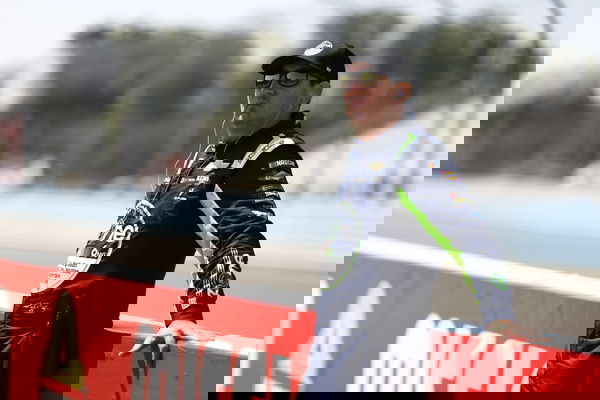
Imago
August 9, 2025, Watkins Glen, Ny, USA: Watkins Glen, NY USA – August 09, 2025: NASCAR, Motorsport, USA Cup Series driver, KYLE BUSCH 8 of Las Vegas, NV gets ready to practice for the Go Bowling at The Glen in Watkins Glen, NY. Watkins Glen USA – ZUMAa161 20250809_aaa_a161_040 Copyright: xWalterxG.xArcexSr.x
If earnings were based purely on performance metrics such as wins, top fives, or laps led, Busch would almost certainly earn less. But NASCAR does not pay that way anymore for its top stars. Instead, compensation is tied to branding, legacy, and marketing pull, and Busch remains one of the biggest draws.
That is why even in an average season, he is still among the highest-paid drivers in the sport.
Why most NASCAR drivers make far less
NASCAR’s financial ecosystem favors a small elite. Outside of the small group of big names with history and sponsors, most drivers earn significantly less because their value is measured differently.
Young drivers, pay-to-race entrants, or drivers on smaller teams often rely heavily on sponsor money and contingency payouts. Their earnings fluctuate, and many barely break even. Without guaranteed contracts, major sponsorships, or stable team infrastructure, they are vulnerable to bad seasons or sudden changes.
In many cases, raw talent is not enough. Teams need financial backing, marketability, and name recognition to justify major long-term contracts. That reality means many deserving drivers in NASCAR never see large paychecks while a select few continue earning millions.