Imago
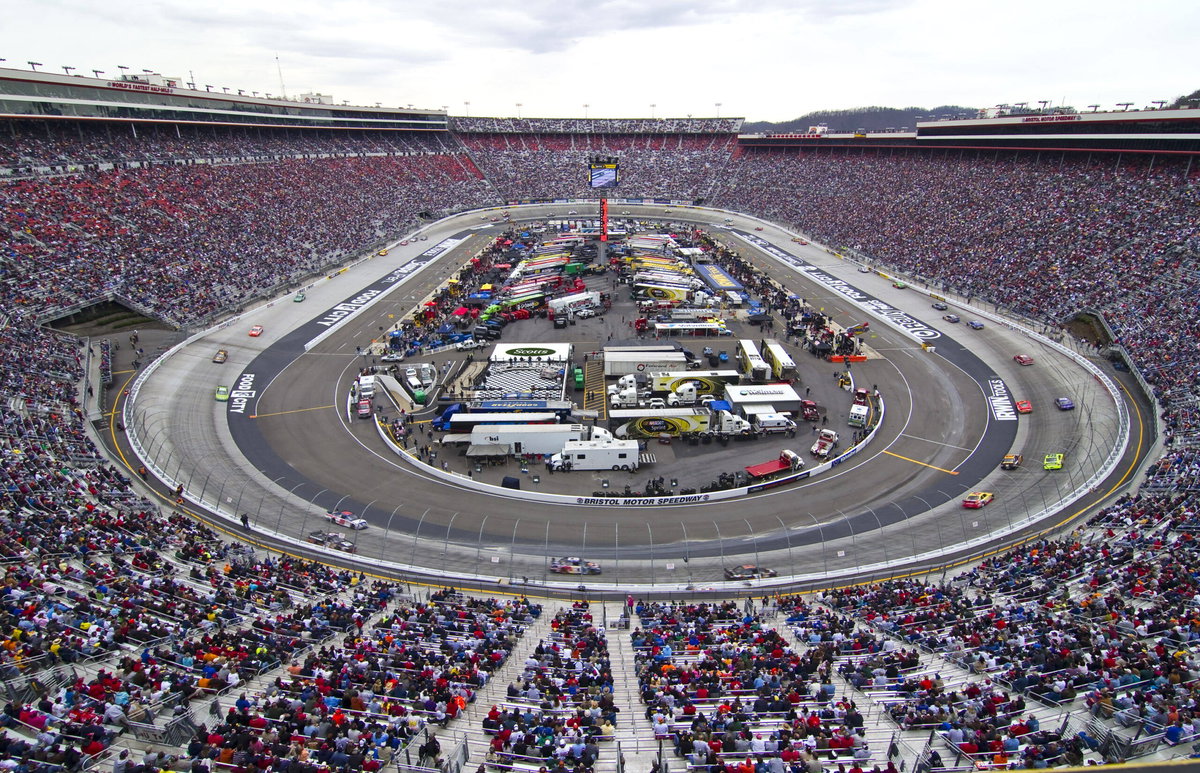
NASCAR, Motorsport, USA MAR 21 Sprint Cup Series – Food City 500 BRISTOL, TN – MAR 21: The NASCAR Sprint Cup teams take to the track for the running of the Food City 500 race at the Bristol Motor Speedway on Mar 21, 2010 in Bristol, TN.Credit Image: Â ASP/Cal Media Bristol TN United States EDITORIAL USE ONLY Copyright: xx ZUMA-20100321_zaf_a55_019.jpg WalterxGxArcex csmphoto321048
Imago
NASCAR, Motorsport, USA MAR 21 Sprint Cup Series – Food City 500 BRISTOL, TN – MAR 21: The NASCAR Sprint Cup teams take to the track for the running of the Food City 500 race at the Bristol Motor Speedway on Mar 21, 2010 in Bristol, TN.Credit Image: Â ASP/Cal Media Bristol TN United States EDITORIAL USE ONLY Copyright: xx ZUMA-20100321_zaf_a55_019.jpg WalterxGxArcex csmphoto321048
NASCAR is back at Bristol Motor Speedway for the spring race, the Food City 500, a track once known for packed grandstands and electric atmospheres. But this time, the conversation isn’t just about the racing. Social media posts of empty seats have sparked a bigger debate. Has Bristol lost its edge? And more importantly, does it still deserve two spots on the NASCAR schedule, or is it time for a rethink?
Why Bristol is called “The Last Great Coliseum”
There’s a reason Bristol Motor Speedway earned the nickname “The Last Great Coliseum.” With its steep banking, half-mile layout, and stadium-style seating, it feels more like a gladiator arena than a racetrack. The action is intense, relentless, and often chaotic, with drivers trading paint, tempers flaring, and bump-and-run moves deciding races. Add in the deafening crowd noise and close-quarters racing, and Bristol became one of NASCAR’s most intimidating and iconic venues, where every lap feels like a battle.
From packed grandstands to empty seats
Top Stories





It only took one social media post to reignite the debate. Photographer @brettbphoto shared on X, “Bristol attendance is rough today. There’s no reason this place should have two races.” And suddenly, the conversation shifted from racing to relevance.
Bristol attendance is rough today
There’s no reason this place should have two races
— Brett (@brettbphoto) April 12, 2026
Because this wasn’t always the case. Bristol’s golden era saw sellout crowds north of 150,000 fans for the spring race, with iconic night races delivering unforgettable bump-and-run finishes. It was loud, packed, and electric. Every Single Time!
But over the years, things have changed. Hosting two races annually has arguably diluted the urgency, while modern fan habits of streaming, at-home viewing, and rising travel and ticket costs have reshaped attendance trends across the sport. Add in past experiments like progressive banking, which drew mixed reactions, and the identity of Bristol itself has felt slightly unsettled. Estimates suggest just 80,000-90,000 fans in attendance for the spring race.
That’s why the recent post hit harder. It doesn’t just show one quiet weekend, but reflects a gradual shift.
And it raises the real question: Is Bristol losing its magic, or is this a symptom of NASCAR’s broader scheduling and fan engagement challenges?
Why Bristol still deserves both dates
Despite the noise around attendance, the on-track product at Bristol Motor Speedway still delivers. High tire wear, constant traffic, and short-track aggression create the kind of chaos that few venues can replicate. It remains one of NASCAR’s most iconic battlegrounds, where tempers flare and races can turn in an instant.
There’s also a key distinction between its two events. The day race and the night race offer completely different vibes, one more strategic, the other pure spectacle under the lights. That contrast adds variety rather than redundancy.
Even with lighter grandstands, TV ratings remain strong, proving fan interest hasn’t disappeared but just shifted platforms. And beyond racing, two race weekends bring significant tourism and revenue to the local economy.
Removing a date might solve optics, but it risks chipping away at NASCAR’s identity, which has always been rooted in short-track racing like Bristol.
Is it really Bristol or NASCAR’s bigger problem?
Focusing solely on Bristol risks missing the bigger picture. Declining attendance isn’t unique to one track but a trend seen across multiple venues in NASCAR.
Fan behavior has changed. Rising costs for tickets, travel, and accommodations make attending races less accessible, while streaming and at-home viewing offer convenience that’s hard to beat. Add in variables like weather, scheduling, and the overall race-day experience, and it becomes clear that empty seats aren’t just a Bristol issue.
Social media also plays a role. A single viral image or post focusing on empty grandstands can amplify perception, even if it doesn’t fully represent the broader reality.
The truth is, Bristol may just be the most visible example of a wider challenge. Blaming the track alone oversimplifies a complex, sport-wide shift in how fans engage with NASCAR.
What’s the middle ground?
If cutting a race feels too drastic, there are smarter ways NASCAR can adapt. One option is rotating one of Bristol’s dates with another short track, keeping the schedule fresh while preserving its presence.
Enhancing the race weekend experience is another key move. Think fan zones, concerts, and interactive events that can turn a race into a full-scale attraction. Scheduling tweaks, like prioritizing night races or prime viewing slots, could also boost both attendance and viewership.
Most importantly, NASCAR can lean into what makes Bristol special. Instead of treating it like just another stop, market it as a must-attend event, something fans circle on their calendars.
There’s also room for experimentation, whether through special formats, exhibition-style races, or unique packages that elevate the spectacle. Because this isn’t about removing Bristol but about evolving it with evolving times.
