Imago
IMAGN
Imago
IMAGN
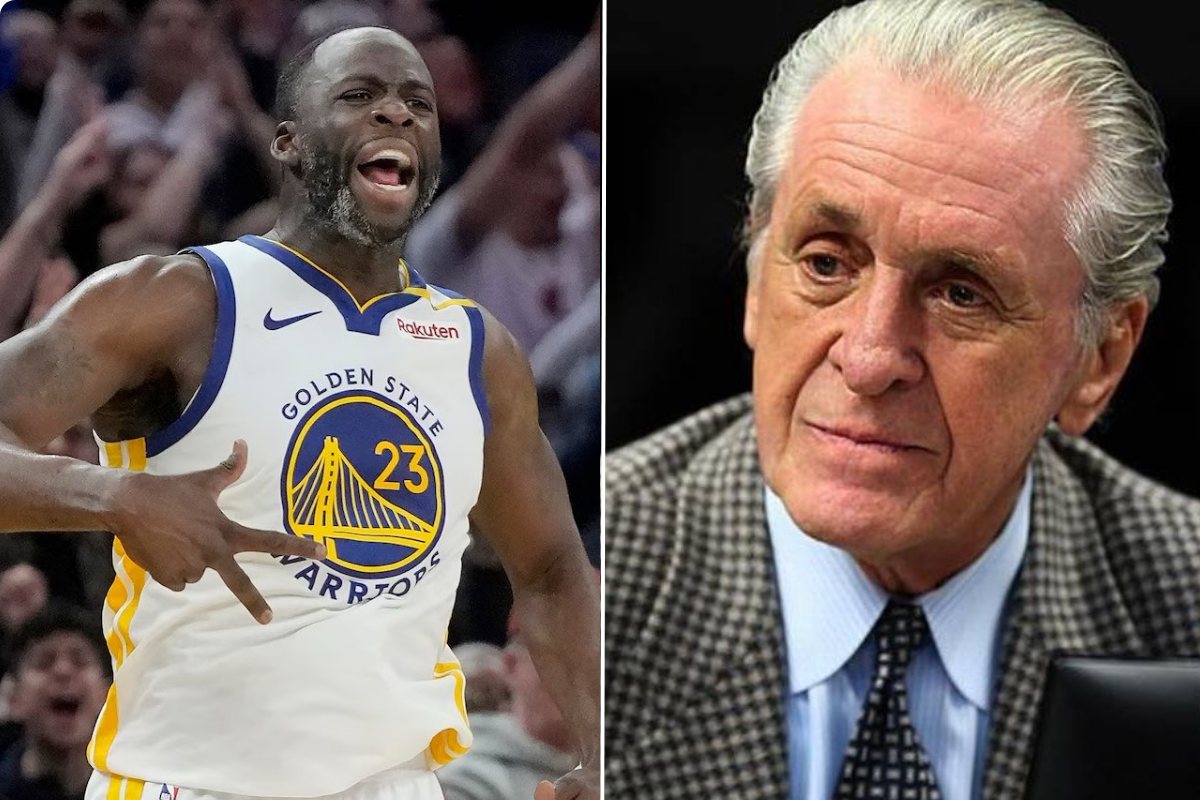
Draymond Green in Miami? Not many saw that coming, but it nearly happened in 2012 before Pat Riley passed on him in the draft. Speaking on his podcast, Draymond Green revisited that decision and raised a bigger question: would Miami’s infamous conditioning program have been his biggest obstacle?
Watch What’s Trending Now!
The backstory resurfaced after Hall of Famer Tim Hardaway Sr. revealed he pushed Riley to draft Green at No. 27, calling him “Miami Heat culture.” Riley passed anyway, setting up one of the more fascinating what-if moments in recent draft history. Green addressed it directly on The Draymond Green Show:
“Tim Hardaway Sr. told the Heat to draft me in 2012, but was told I was too out of shape, and they pass,” Green said. “That’s interesting.” He then turned to what he believed would have been the harder reality of life for him in Miami. “I’m for damn sure not sure how I would have handled Pat Riley trying to test my body fat during that time,” he said. “Thank God they didn’t draft me.” The acknowledgment carried weight as he fell to the 35th pick in the 2012 draft in part because his body fat, vertical leap, and conditioning were considered subpar at the time.
Top Stories





Green made it clear the fit mattered more than the miss. “I don’t think a place like Miami is the place for me… I don’t think that’s a situation where I would have fit in well.” Still, he showed appreciation for Hardaway’s belief. “I appreciate you, OG Tim Hardaway… you knew what you was talking about.” For Green, it wasn’t about talent. It was about environment.
Miami’s conditioning standards have defined the franchise for years. The organization expects every player to stay under 10 percent body fat, with measurements taken at the start of each week, according to agents who have worked with the team.
Those standards have tested even elite players. Shaquille O’Neal famously despised the body fat tests and once covered himself in baby oil so the calipers wouldn’t stick properly. In a similar vein, former No. 1 pick Kenyon Martin declined a chance to join the Heat after the 2011 lockout because he believed his body couldn’t handle the program.
Draymond Green: The Big Three Window Was Too Short to Make the Gamble Worth It
Green also questioned whether the timing would have worked in his favor. “To play with the Big Three would have been cool… but I only would’ve been there for a year and a half, two years. And then what?” Hardaway saw it differently, believing Green’s defense and IQ could have helped Miami push for a three-peat.
Imago
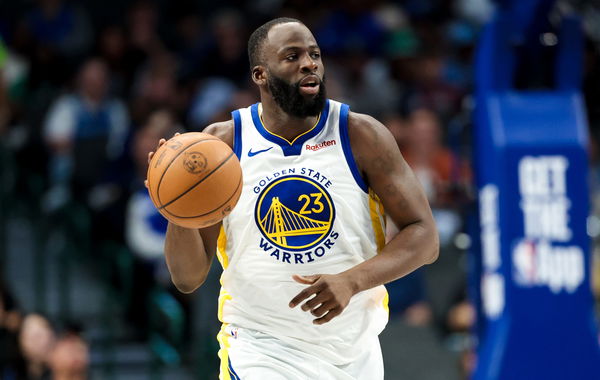
Mar 23, 2026; Dallas, Texas, USA; Golden State Warriors forward Draymond Green (23) dribbles against the Dallas Mavericks during the second half at American Airlines Center. Mandatory Credit: Kevin Jairaj-Imagn Images
The paths that followed make that decision even more significant. The Heat won back-to-back titles in 2012 and 2013 before falling in the 2014 Finals, and LeBron’s departure soon after closed the Big Three window. Green, meanwhile, landed in Golden State and became the backbone of a dynasty that produced four championships and a Defensive Player of the Year award. In contrast, Miami used the No. 27 pick on Arnett Moultrie, whom they immediately traded, and who went on to play just 59 NBA games.
Ultimately, Green felt everything broke the right way. “Thank God it happened the way it did… and I didn’t end up in Miami.” Hardaway, who later watched Green anchor Golden State’s dominance, remembered Riley’s quiet reactions every time the Warriors won in Miami: “You better not say it.”
Written by

Edited by

Ved Vaze