Imago
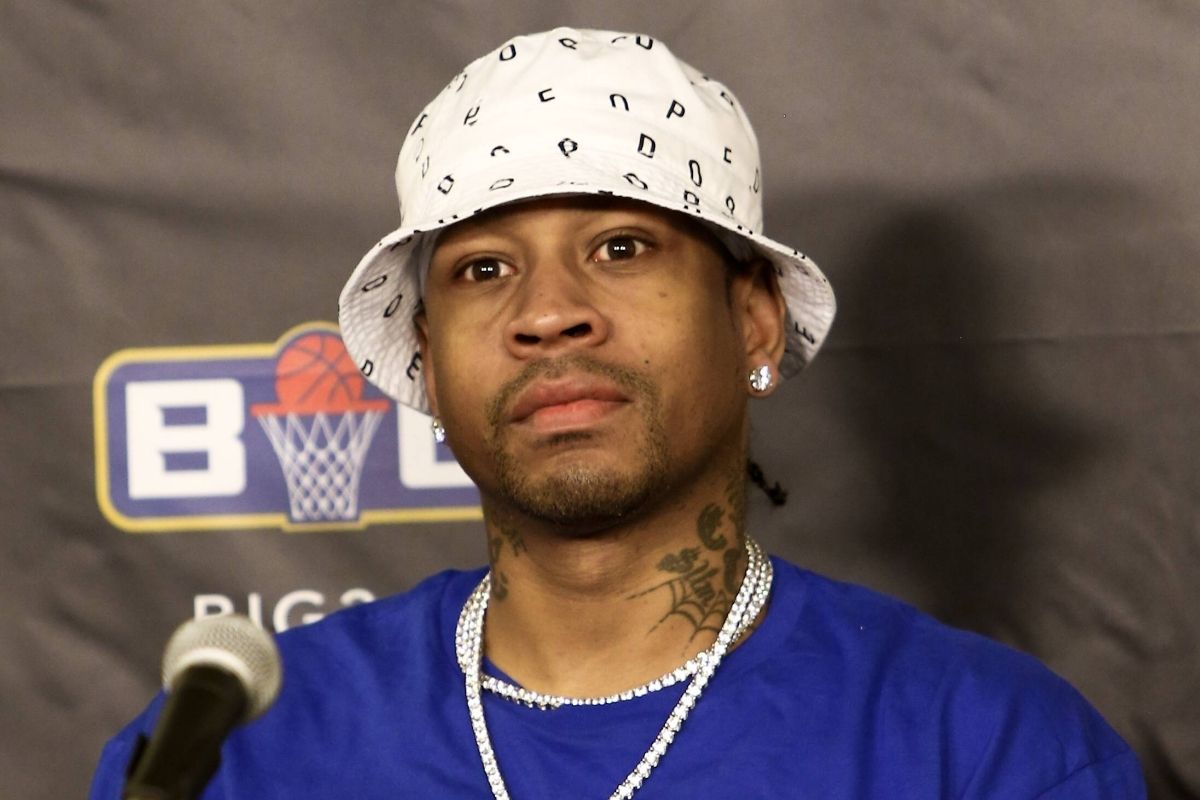
July 2, 2017 – Charlotte, North Carolina, United States – Allen Iverson (3) of 3 s Company speaks to the media after the game against the Ghost Ballers during week two of the BIG3 three on three basketball league at the Spectrum Center. BIG3 Basketball: 3 s Company vs Ghost Ballers – ZUMAw109 20170702_zap_w109_111 Copyright: xDebbyxWongx
Imago
July 2, 2017 – Charlotte, North Carolina, United States – Allen Iverson (3) of 3 s Company speaks to the media after the game against the Ghost Ballers during week two of the BIG3 three on three basketball league at the Spectrum Center. BIG3 Basketball: 3 s Company vs Ghost Ballers – ZUMAw109 20170702_zap_w109_111 Copyright: xDebbyxWongx
The basketball world is still processing a loss that arrived without warning. What began as a normal weekend quickly turned into a moment of grief across both the NBA and WNBA communities.
Watch What’s Trending Now!
On Saturday, February 22, news broke that two-time WNBA champion Kara Braxton died at age 43 following a single-car crash in Cobb County, Georgia, according to local police. The tragedy immediately prompted tributes across the sport, including a public message from Allen Iverson.
“My condolences go out to the family & friends of Kara Braxton. You all are in my prayers. May you find strength in one another as well as peace & comfort in the love she gave and memories y’all made. I’ll never forget the smile & laughter of my homegirl. Rest Easy My Friend.” Because of that message, the loss carried a more personal tone than a routine sports obituary. Iverson was not reacting as a distant peer but as someone mourning a familiar presence in his life circle.
Top Stories





View this post on Instagram
Braxton’s career ensures her name will remain tied to one of the WNBA’s defining dynasties. The 6-foot-6 forward helped the Detroit Shock win championships in 2006 and 2008, establishing herself as a physical interior presence during the league’s rugged mid-2000s era.
Those teams were known for defense, toughness, and attitude. Braxton embodied all three traits. As a result, former teammates and opponents often described her as both fierce in competition and warm away from the court.
Meanwhile, the tributes extended beyond professional peers. Her son, North Carolina tight end Jelani Thurman, shared a childhood photo honoring his mother, turning the moment from league-wide mourning into a deeply personal family tragedy. The combination of competitive legacy and personal memory explains why reactions arrived quickly across the basketball community. Players did not simply reference championships. They referenced relationships.
Heartwarming ending to Allen Iverson snub as he gives families an incredible NBL experience
Athletes frequently acknowledge the passing of former players. Still, the tone of Iverson’s message stood out because it emphasized familiarity rather than résumé. By calling Braxton his “homegirl,” Iverson framed the loss as relational, not ceremonial. That distinction matters in sports culture, where public tributes often follow formal language patterns. Here, the wording suggested shared history rather than professional courtesy.
At the same time, the reaction reflects a broader pattern within basketball circles. The sport’s community remains tightly interconnected across leagues, generations, and families. Because of that closeness, WNBA and NBA losses rarely stay confined to one side of the game.
Braxton’s passing therefore became more than a WNBA story. It became a basketball story.
Imago
World Celebrity Pro-Am 2016 Mission Hills China Golf Tournament Allen Iverson hat walks the Red Carpet event at the World Celebrity Pro-Am 2016 Mission Hills China Golf Tournament on 20 October 2016, in Haikou, China. Haikou Mission Hills Golf Resort China PUBLICATIONxNOTxINxJPNxUK Copyright: xPowerxSportxImagesx PSI02068_20Oct2016_WL04209
Her death leaves behind a husband, two sons, former teammates, and a league era that helped shape modern WNBA physical play. The championships cement her legacy, yet the reactions reveal something larger than titles.
Players remembered personality first. Iverson’s words captured that shift. Not statistics. Not accolades. Just a smile, laughter, and familiarity. In the coming days, tributes will continue as the sport collectively processes the loss. What remains clear already is this: Kara Braxton will be remembered as much for the relationships she built as the trophies she helped win.
Written by

Edited by

Ved Vaze