
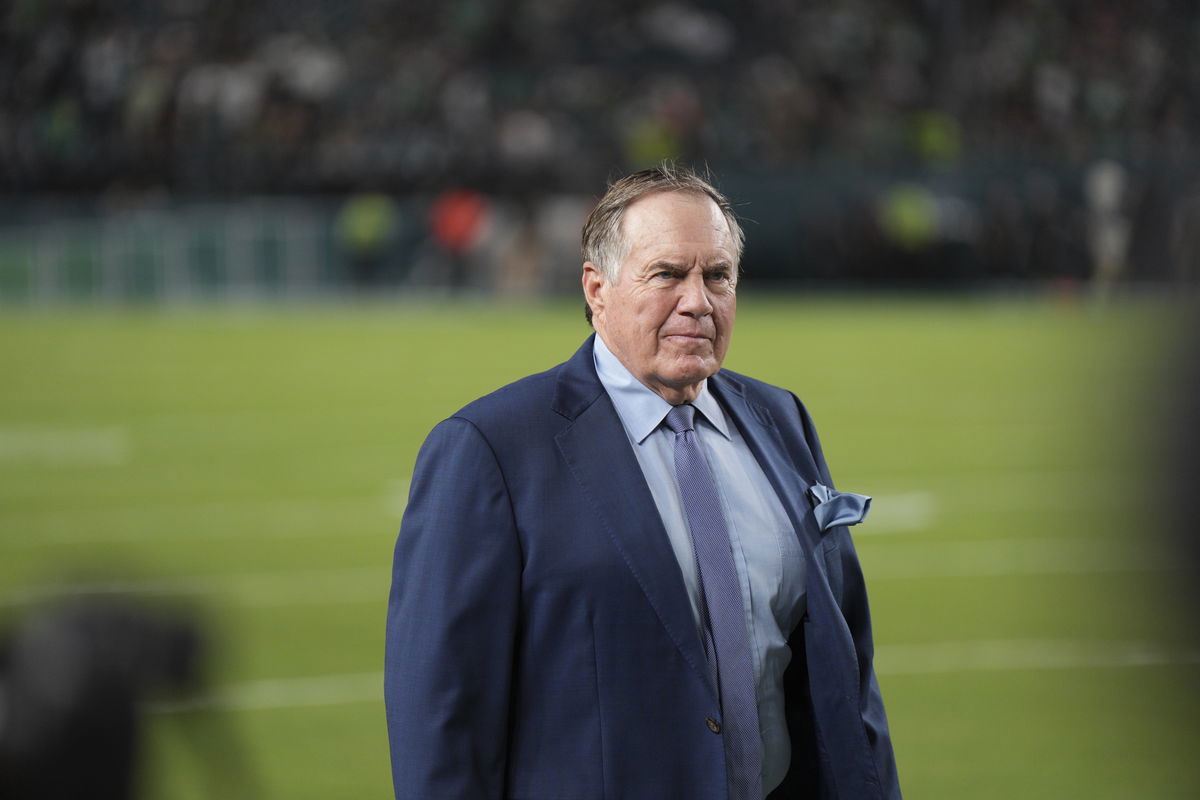
Born in Nashville and raised in Annapolis, Bill Belichick is not exactly a New England native. Sure, he may have spent more than two decades building a dynasty with the New England Patriots, but there was always one part of New England culture he simply could never embrace: coffee. Even after becoming one of the most iconic figures in the region’s sports history, Belichick never developed any connection with the beverage that practically runs through New England’s veins. In fact, he hates it more than his former arch-rivals, the New York Jets.
Watch What’s Trending Now!
“I can’t stand coffee, I can’t stand to look at coffee, I can’t stand to taste the coffee, I can’t stand to smell the coffee, I can’t even eat coffee ice cream, and I can eat anything that’s sugar,” Belichick said. “The coffee ice cream; it’s terrible. I hate it. So, when they say, ‘Can you make coffee?’ No, I can’t make coffee in the world. You want it, you make it yourself. I’m not making coffee. I don’t even know how to make it. I wouldn’t drink coffee if there was nothing else to drink…I don’t care how much milk you put in. I don’t care how much sugar you put in. I don’t care how much whipped cream (you put in). You can’t bury the taste. It still finds a way to go through.”
And when he was asked whether he would choose coffee or the Jets at gunpoint, the former Patriots head coach still picked the Jets, stating, “No, I’d go with the Jets.”

“I can’t stand coffee” -Bill Belichick “Let me test you right now… Coffee or the New York Jets?” -@BarstoolBigCat “Oh I’d go with the Jets” -Bill Belichick
That is how deeply Belichick dislikes coffee. And it is not even the first time the veteran coach has publicly talked about it. Back in 2020, Belichick joined WEEI’s Ordway, Merloni & Fauria and was asked why he so strongly avoided coffee. His explanation was pretty straightforward: He simply cannot stand it.
“Because I don’t like coffee,” Belichick said. “Look, I mean, I understand I am probably missing it, but I just don’t like coffee. I can’t stand the smell of coffee. I don’t like coffee ice cream, and I like every sweet that has ever been made, but that’s not one of them. I don’t like coffee-flavored anything. I don’t know.
“I just don’t have the taste for it. I’ve tried, but it just doesn’t work for me. My grandmother put a glass of milk and poured what was probably a symbol of coffee, and I couldn’t even drink that. It’s just one of those things I didn’t develop a taste for. Nothing against coffee. Nothing against Dunkin’ Donuts. Nothing against anything, it’s just not for me. I don’t have a taste for scotch either.”
It makes the entire thing even more ironic, considering Belichick spent over two decades coaching in a region where coffee culture is practically part of the identity itself. New England’s relationship with coffee traces back to the Boston Tea Party, when switching from tea to coffee became viewed as a patriotic act during the American Revolution.
From there, the region eventually helped shape modern American coffee culture through brands like New England Coffee and Dunkin‘. But even after six Super Bowl titles and one of the greatest coaching runs in NFL history with the Patriots, New England still could not make Belichick embrace coffee.
And safe to say, his hatred toward the drink apparently runs so deep that he would still pick the Jets over it if someone ever forced him to choose between coffee and the Jets.
When Bill Belichick became the Jets’ head coach for just one day
Bill Belichick was once supposed to become the head coach of the Jets. But that tenure famously lasted just one day. The legendary coach served as the Jets’ assistant head coach and defensive coordinator from 1997 through 1999. And after Bill Parcells stepped down as head coach, Belichick officially succeeded him. In fact, the Jets were already preparing to introduce him as their next head coach once the news became official.
But then came one of the most shocking moments in NFL coaching history. Belichick abruptly resigned from the position only one day after taking the job. He left behind the now-iconic napkin note that read, “I resign as HC of the NYJ.”
“In retrospect, I don’t think that was the greatest choice,” he said about his decision. “It wasn’t the classiest thing I’ve ever done. I was in a mood at that time.”
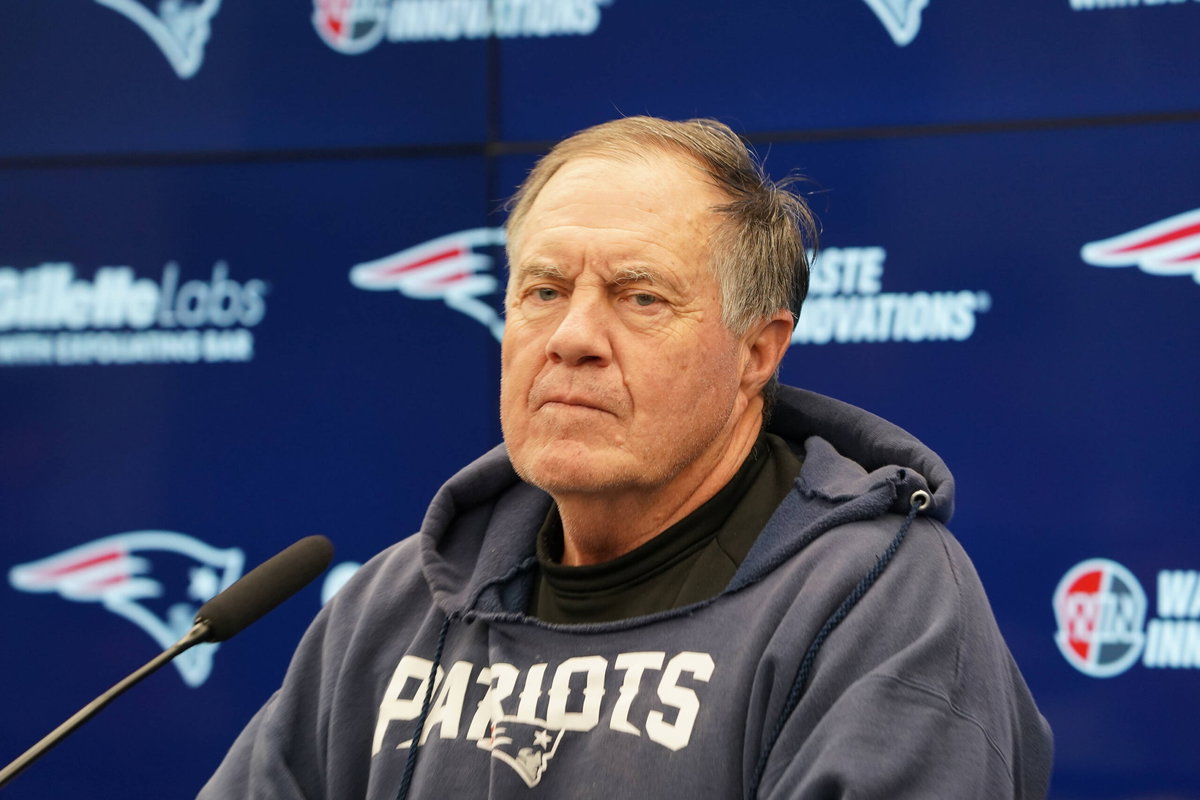
Imago
Sport Bilder des Tages Bill Belichick Head Coach, New England Patriots – Frankfurt 10.11.2023: New England Patriots PK, NFL, American Football Herren, USA International Game, DFB Campus *** Bill Belichick Head Coach, New England Patriots Frankfurt 10 11 2023 New England Patriots PK, NFL International Game, DFB Campus
Belichick ultimately stepped away from the Jets because his original agreement had been with late owner Leon Hess rather than incoming owner Woody Johnson. From there, Belichick quickly became the head coach of the Patriots. And eventually, he built a dynasty that lasted more than two decades while winning six Super Bowl titles.
During that same stretch, Belichick also developed one of the NFL’s nastiest rivalries against the Jets. Across 23 seasons as Patriots head coach, he finished with a dominant 38-12 record against New York after resigning from the franchise on a napkin years earlier.
And somehow, even that rivalry still does not seem to match Belichick’s hatred toward coffee. Which is exactly why, if someone ever forced him to choose between coffee and the Jets at gunpoint, Belichick already made it pretty clear he would still take the Jets.