Imago
IMAGN
Imago
IMAGN
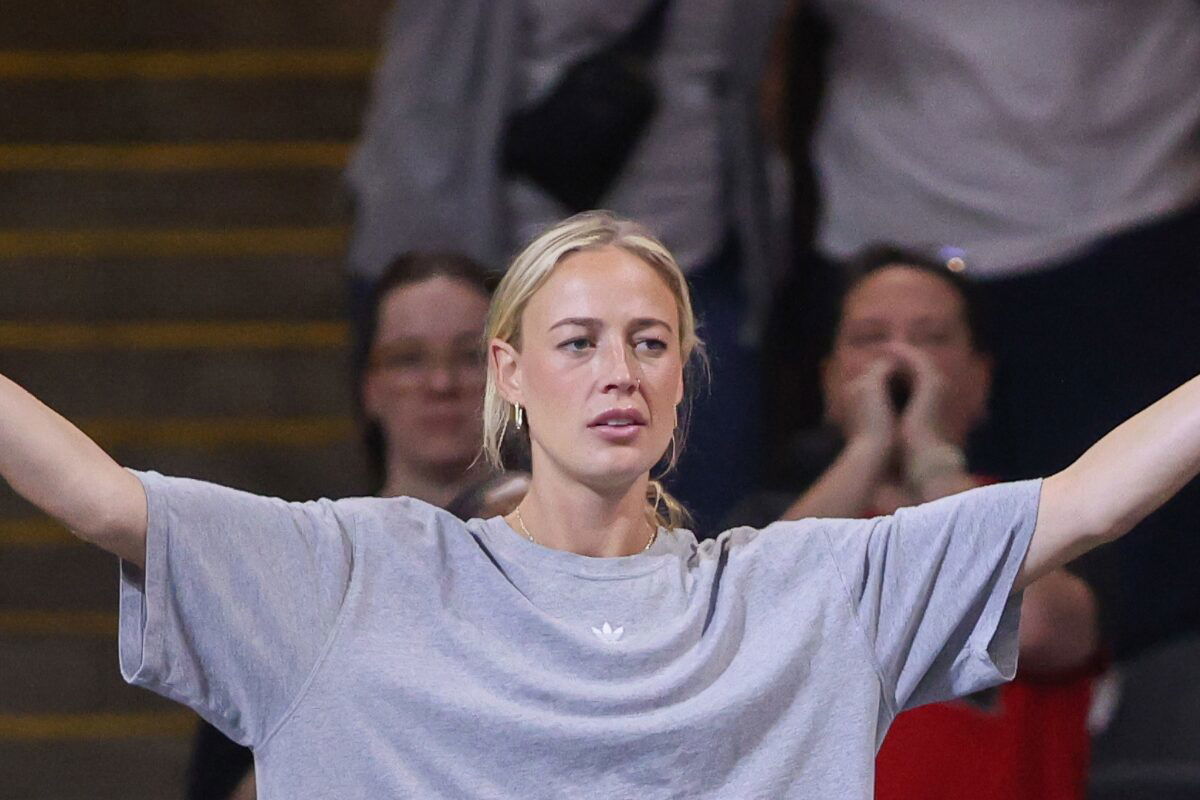
Sophie Cunningham has become one of the most influential voices in the WNBA, and not just because of what she does on the floor. As free agency approaches and CBA negotiations continue to stall, Cunningham’s perspective carries more weight than ever. Right now, players are watching closely to see which owners are visibly invested in the league’s future.


On February 3, 2026, Cunningham made her position clear. During a recent episode of Show Me Something, Cunningham was asked which ownership groups she believes are the most involved in the WNBA right now. Her answer was direct and revealing. Indiana was not mentioned.
Watch What’s Trending Now!
“I feel like the frontline owners who are most involved, I would say right now, would be New York, Seattle, and Phoenix,” Cunningham said. “They are very player-first. They know you might lose a little money on the front end, but you get it back if you invest. At the end of the day, if you give players what they want, you’re going to win. Ticket sales go up. Everything goes up. But it all comes back down to revenue share.”
The omission matters. Cunningham spent the 2025 season with the Indiana Fever, and her absence from that list was not accidental.
Cunningham was traded to Indiana ahead of the 2025 season and quickly became a key piece of the Fever’s identity alongside Caitlin Clark. In 30 games with Indiana, she averaged 8.6 points, 3.5 rebounds, 1.2 assists, and 1.0 steals in 25.2 minutes per game. Her shooting translated immediately. She hit 43.2 percent of her three-point attempts, averaging 1.7 makes per night, while providing consistent perimeter defense.
That two-way impact helped Indiana stay competitive before a torn MCL sidelined Cunningham in August. However, as CBA uncertainty grew, Fever ownership remained publicly silent about her potential re-signing. In contrast, Cunningham openly praised ownership groups in New York, Seattle, and Phoenix for being visible, player-first, and willing to invest.
Because of that, the gap did not go unnoticed.
When players are negotiating revenue sharing and long-term league structure, ownership presence becomes more than symbolic. It signals commitment. Cunningham’s list reflected where she believes that commitment currently exists.
Cunningham’s comments were not framed as a personal grievance. Instead, they were part of a broader conversation about how the league should be run. In the same episode, she revealed how seriously she is thinking about the business side of the WNBA and her own future within it. “I think that one day it would be so fun to be the commissioner,” Cunningham said.
She expanded on that idea by reflecting on the league’s current moment. “I have seen the league when it hasn’t had this CBA frustration, and I’m in the process of seeing where this thing could be. I’m learning the business. I’m learning the sport.”
Now an unrestricted free agent, Cunningham is in a position to evaluate how different organizations operate. The ongoing CBA stalemate has given her a front-row seat to what she believes needs to change. Her comments suggest she is already thinking like someone who wants to shape policy, not just play within it.
Sophie Cunningham and Caitlin Clark shape the WNBA’s next era
Cunningham is not the only Fever player looking beyond the court. On February 1, Clark appeared on NBC’s pregame coverage alongside Reggie Miller, discussing both basketball and the broader state of the league. What looked like a routine media appearance carried deeper meaning. It was another example of WNBA players actively learning the business and media sides of the sport.
Cunningham noticed. “First of all, I think she did a really good job. She was a natural up there,” Cunningham said. Then she added with a smile, “She’s a dweeb. She knows the game, so that’s no shock.”
When Miller compared Clark to Payton Pritchard, Cunningham pushed back gently, saying it was “probably not the best comparison,” while acknowledging there was no ill intent behind it. The exchange underscored how engaged players are becoming in shaping narratives around themselves and the league.
Imago
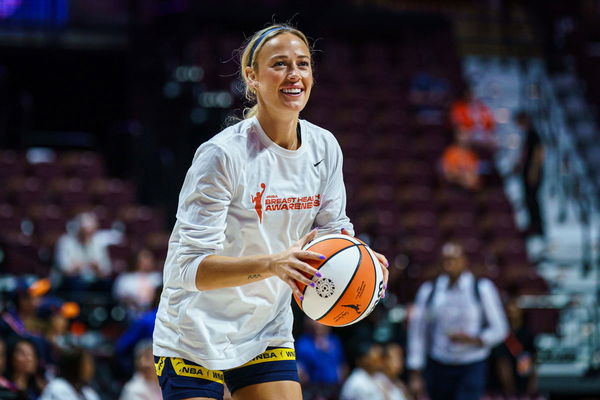
Aug 17, 2025; Uncasville, Connecticut, USA; Indiana Fever guard Sophie Cunningham (8) warms up before the start of the game against the Connecticut Sun at Mohegan Sun Arena. Mandatory Credit: David Butler II-Imagn Images
That trend connects directly to Cunningham’s ownership comments. Players are no longer passive participants in league growth. They are evaluating leadership, questioning priorities, and preparing for larger roles.
Cunningham’s exclusion of Fever ownership from her “most involved” list was not loud, but it was pointed. It came at a time when visibility, investment, and trust matter more than ever. As CBA negotiations continue and free agency looms, players are taking mental notes about which organizations are showing up.
For Cunningham, this moment is about more than one team. It is about accountability, investment, and the future structure of the WNBA. Whether she remains a player, becomes a league leader, or both, her voice is already shaping the conversation.
And right now, that conversation is making clear that involvement is being measured, remembered, and compared.
Written by

Edited by

Ved Vaze