Imago
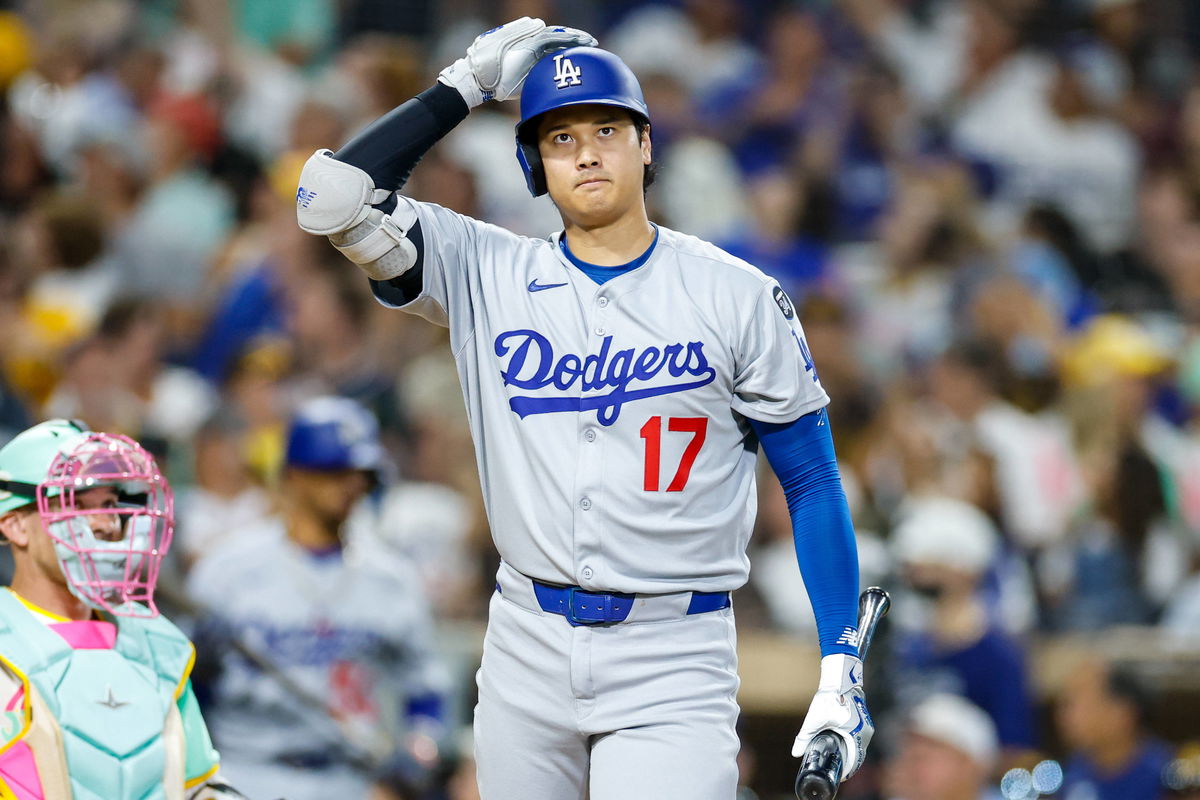
MLB, Baseball Herren, USA Los Angeles Dodgers at San Diego Padres Aug 22, 2025 San Diego, California, USA Los Angeles Dodgers designated hitter Shohei Ohtani 17 reacts after fouling off a ball during the sixth inning against the San Diego Padres at Petco Park. San Diego Petco Park California USA, EDITORIAL USE ONLY PUBLICATIONxINxGERxSUIxAUTxONLY Copyright: xDavidxFrerkerx 20250822_hlf_td6_204
Imago
MLB, Baseball Herren, USA Los Angeles Dodgers at San Diego Padres Aug 22, 2025 San Diego, California, USA Los Angeles Dodgers designated hitter Shohei Ohtani 17 reacts after fouling off a ball during the sixth inning against the San Diego Padres at Petco Park. San Diego Petco Park California USA, EDITORIAL USE ONLY PUBLICATIONxINxGERxSUIxAUTxONLY Copyright: xDavidxFrerkerx 20250822_hlf_td6_204
The Los Angeles Dodgers went all out this offseason and bought Edwin Diaz and Kyle Tucker for big contracts. While the Dodgers were doing this, the other teams had no choice but to sit and watch. But now, it looks like they have decided that things have to change. The salary cap talks are no longer rumors and are looking like a real possibility.


The New York Post recently talked about how long the Dodgers can keep this dominance up, especially with the salary cap looming.
Watch What’s Trending Now!
“After all, for all the Dodgers’ star-level talent, their roster is aging, with half of their projected lineup already 33 or older,” wrote Jack Harris. “Mix in the looming threat of a salary cap…the Dodgers’ future could soon face renewed challenges.”
The Dodgers’ roster is stacked with long‑term contracts for older stars, many extending into players’ late 30s and early 40s, with Shohei Ohtani’s 10‑year, $700 M deal running through 2033 and Mookie Betts’ 12‑year, $365 M contract stretching to 2032.
First baseman Freddie Freeman’s six‑year, $162 M contract runs into 2030, and catcher Will Smith is under a 10‑year pact that also goes deep into the next decade. Lefty Blake Snell, at 33, is signed for five years, and Tyler Glasnow’s deal keeps him under contract through at least 2027.
Adding to that, the recent four‑year, $240 M signing of Kyle Tucker at age 29 brought another high‑value deal into the mix.
With an average age of over 31, that group is older than most World Series champions and carries significant financial commitments.
Having so many key players locked into these long contracts means the Dodgers will soon face age‑related regression risks.
When high‑impact players slow down, the team must turn to replacement options from within or the market.
Prospects like Josue De Paula and others in the farm system could fill roles, although depth beyond the starters has been a concern. Planning for sustainable roster turnover will be vital to prevent steep drops in performance as veteran deals wind down.
That challenge comes as MLB debates adding a salary cap because of widening economic disparities.
Imago
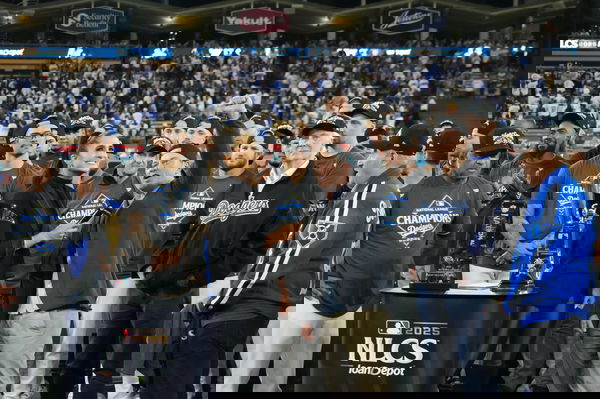
MLB, Baseball Herren, USA Playoffs-Milwaukee Brewers at Los Angeles Dodgers Oct 17, 2025 Los Angeles, California, USA Los Angeles Dodgers president of baseball operations Andrew Friedman is interviewed by TBS reporter Lauren Shehadi as owner Mark Walter and president Stan Kasten watch after game four of the NLCS round for the 2025 MLB playoffs against the Milwaukee Brewers at Dodger Stadium. Los Angeles Dodger Stadium California USA, EDITORIAL USE ONLY PUBLICATIONxINxGERxSUIxAUTxONLY Copyright: xKirbyxLeex 20251018_kdl_al2_006
The Dodgers’ projected 2026 payroll is around $386 M, and a competitive balance tax payroll near $414 M, roughly $170 M above the CBT threshold.
Their spending far outpaces other teams, with the second‑highest projected payroll nearly $96 M less.
Fans and rival executives have cited this gap, calling for a cap during the upcoming collective bargaining talks. A salary cap could limit how teams build and maintain star‑heavy rosters. This might push the Dodgers to rely more on homegrown talent.
This looming rule change could reshape how the team approaches future free agencies and payroll strategy.
If a cap restricts Los Angeles’ spending, their ability to add impact players like Edwin Díaz and Kyle Tucker could diminish, potentially changing their competitive edge.
With less financial flexibility, filling gaps left by aging stars such as Betts or Freeman will become harder. This will increase reliance on Ohtani’s elite two‑way production. That pressure could weigh on him as the centerpiece of a still‑powerful but narrower lineup.
Without the same depth and spending power, the Dodgers might shift from perennial favorites to just solid contenders as contracts age out. Changes to payroll rules and an aging core could slow the dynasty the team has built, even if no single moment defines its end.
The Dodgers could add more insurance for aging Max Muncy
The Dodgers aren’t exactly shy about spending, but even they can’t ignore the ticking clock on Max Muncy’s durability. Every plate appearance he misses leaves a hole in a lineup built to intimidate. With the looming salary cap pressuring every move, Friedman’s decisions carry extra weight. If Muncy falters again, the Dodgers need a plan that keeps their dominance intact without breaking the bank.
The Los Angeles Dodgers have to think about life beyond Max Muncy at third base. Because his body hasn’t stayed healthy all season. Muncy, now 34, spent time on the injured list three times in 2025. It included a knee bruise and oblique strain that cost him long stretches of action. Over 81 games before one IL stint, he still hit 13 home runs with 55 RBIs, showing value at the plate when available.
The Dodgers do have internal backups, but none have shown Muncy’s blend of power and experience at the hot corner.
Muncy has long provided middle-of-the-lineup pop, tying for 7th in franchise home runs with 203 while wearing Dodger blue.
With a salary structure tightening under a looming cap, the team’s options beyond Muncy take on extra importance.
One intriguing free agent who could fill that depth role is Eugenio Suárez, fresh off a big 2025 campaign.
Suárez hit 49 home runs and drove in 118 runs across 159 games while batting .228, finishing fifth in MLB homers last season. His power profile gives Los Angeles a proven bat in reserve that mirrors Muncy’s offense without demanding superstar money.
Teams around baseball are still sizing up Suárez this winter, and a deal in the $20 million a year range seems realistic given his age and production. If signed, Suárez would offer the Dodgers simple insurance at third base and help them remain competitive while working within financial limits.
Written by

Edited by

Ahana Chatterjee