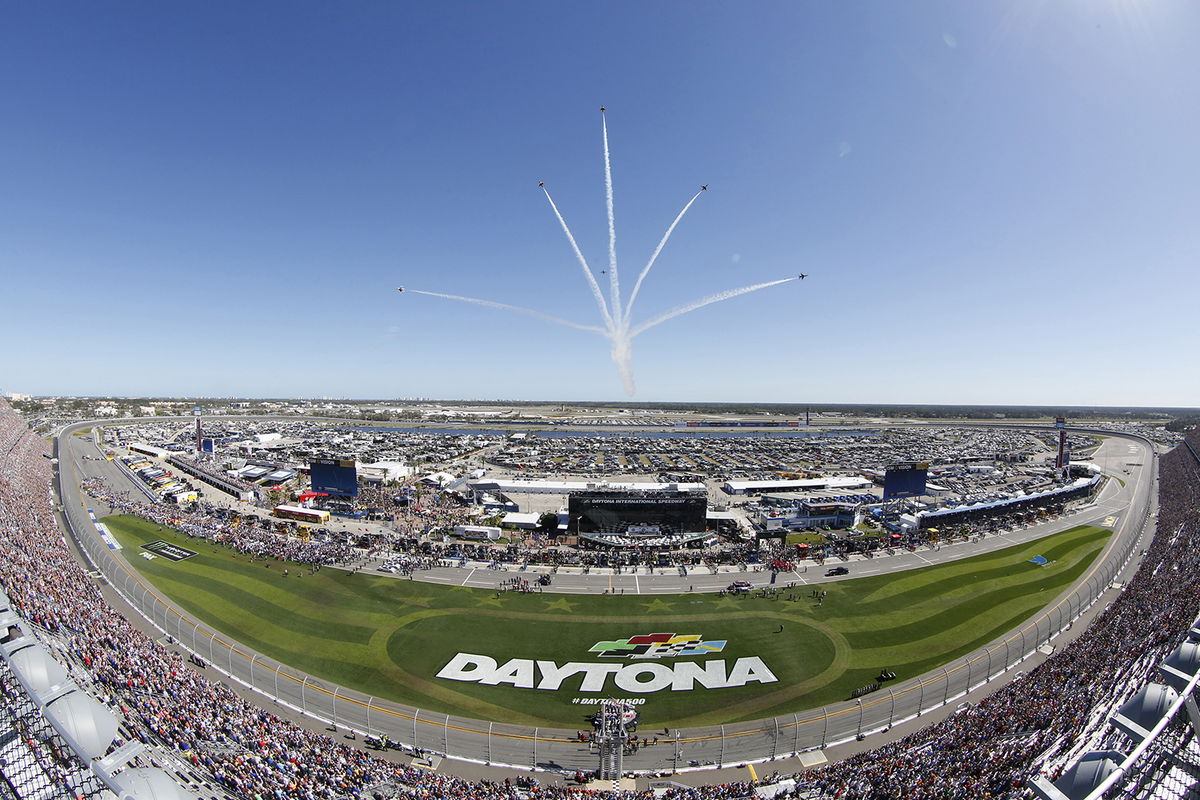
For decades, the Daytona 500 has been a flex for NASCAR. A sellout streak that symbolized the sport’s health, relevance, and unmatched spectacle. Daytona International Speedway proudly announced that the 2025 Daytona 500 was sold out for a 10th straight year, filling all 101,500 seats and premium suites with ease. That kind of consistency made the Great American Race feel untouchable.


But heading into 2026, cracks are starting to show. A recently shared email from NASCAR suggests the unthinkable: Daytona 500 tickets are still available with less than a month to go. And that quiet outreach may signal a growing concern behind the scenes that NASCAR can’t afford to ignore.
Watch What’s Trending Now!
A quiet email that set off the alarm in Daytona
The concern began with something surprisingly ordinary: an email. A NASCAR fan shared a message they received from the sanctioning body encouraging them to “return to the Daytona 500” and offering to personally help secure tickets for the February 12–15, 2026, race weekend.
It looks friendly on the surface, but the subtext was impossible to ignore. With the Daytona 500 scheduled for February 15, the fact that NASCAR was still actively reaching out on January 27 raised eyebrows across the fanbase. Historically, that timing is unthinkable.
The Daytona 500 — the crown jewel, the Great American Race, the soul of NASCAR — usually sells out by the first week of January, sometimes even earlier. NASCAR proudly announced that the 2025 running marked the 10th consecutive sellout, reinforcing the event’s untouchable status. So why the sudden nudge this year?
Daytona still not sold out (via u/R33L0) https://t.co/GhOCGhBqCb #NASCAR pic.twitter.com/FeoTtxjDRX
— r/NASCAR on Reddit (@NASCARonReddit) January 26, 2026
Money appears to be the biggest culprit. While entry-level tickets at many NASCAR races still hover between $40–$60, those are increasingly limited and often come with compromised views. Average grandstand seats at most tracks now sit closer to $80–$100, a noticeable jump from the mid-2010s, when fans could attend a full race weekend comfortably for under $70.
The Daytona 500, however, exists in its own pricing universe. For 2026, ticket prices reportedly range from $192 to a staggering $683. Just the tickets! Add the commute, parking, food, beverages, and other expenses, and you’re looking at several more dollars. That puts America’s most iconic stock car race firmly in premium-event territory, even for longtime, loyal fans.
As costs rise, many fans are being forced to make tough choices. Instead of attending multiple races, they’re narrowing their calendars (rightly so). And even the Daytona 500 is no longer immune to that reality. This led the organizers to take their promotion a step forward in hopes of filling up the stands.
From the Coliseum to the Madhouse, the price tag still hurts
If Daytona 500’s unsold tickets feel alarming, the Cook Out Clash situation only adds fuel to the fire. In recent years, NASCAR justified premium pricing for the Clash by staging it at the Los Angeles Memorial Coliseum, a massive venue with a seating capacity of around 77,500.
Even then, fans had options. Resale tickets regularly dipped to $61, the average hovered near $210, and discounted tickets were available for $40 for students and as low as $10 for kids. Fast forward to Bowman Gray Stadium, and that justification starts to fall apart.
The iconic “Madhouse” seats just 17,000 fans, yet ticket prices have somehow gone in the opposite direction. In 2025, Clash tickets ranged from $125 all the way up to a jaw-dropping $1,844, depending on seating and packages. For a short-track exhibition race (not even a points-paying event), that pricing stunned even longtime NASCAR loyalists.
What’s worse is that 2026 hasn’t brought much relief. The starting price remains around $120, and that’s before factoring in parking. Fans attending both days are reportedly paying $130–$140 just for parking, pushing the total weekend cost to roughly $250 before food, merchandise, or travel are even considered.
That sticker shock is starting to wear thin. Bowman Gray’s appeal has always been its grit, accessibility, and blue-collar roots. It was a place where fans felt close to the action and closer to the drivers. Sky-high prices clash directly with that identity. When fans are being asked to pay premium-event money for exhibition races at smaller venues, frustration is inevitable.
Combined with the Daytona 500 no longer selling out instantly, a clear pattern is emerging: NASCAR’s pricing strategy may finally be testing the limits of fan loyalty.