Imago
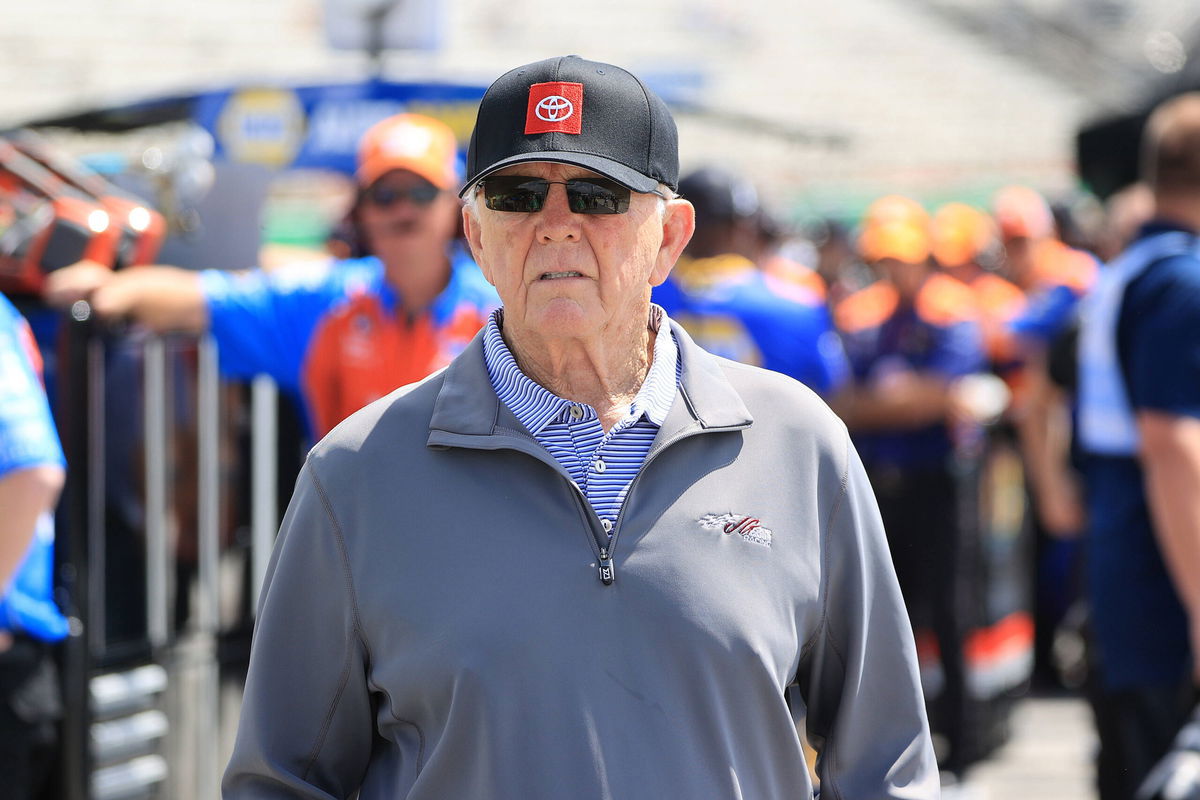
HAMPTON, GA – SEPTEMBER 07: Team Owner Joe Gibbs during qualifications for the Quaker State 400 NASCAR, Motorsport, USA Cup Series race on September 7, 2024 at the Atlanta Motor Speedway in Hampton, Georgia. Photo by David J. Griffin/Icon Sportswire AUTO: SEP 07 NASCAR Cup Series Quaker State 400 available at Walmart EDITORIAL USE ONLY Icon953240907074
Imago
HAMPTON, GA – SEPTEMBER 07: Team Owner Joe Gibbs during qualifications for the Quaker State 400 NASCAR, Motorsport, USA Cup Series race on September 7, 2024 at the Atlanta Motor Speedway in Hampton, Georgia. Photo by David J. Griffin/Icon Sportswire AUTO: SEP 07 NASCAR Cup Series Quaker State 400 available at Walmart EDITORIAL USE ONLY Icon953240907074
NASCAR’s unprecedented snow-out at Bowman Gray has already forced the Clash to be pushed to Monday, but the delay isn’t the only concern drivers are talking about. As temperatures plunge and the track sits under layers of winter weather, teams now face a far more technical challenge: getting their cars up to proper operating temperature. From brakes to tires to engines, the extreme cold is creating conditions drastically different from a normal short-track weekend. And according to Joe Gibbs Racing star Christopher Bell, this “problematic” issue could define how drivers approach the opening laps.


Bell warns of major challenges at Bowman Gray NASCAR race
Watch What’s Trending Now!
As the Clash at Bowman Gray shifts to Monday under a blanket of snow and freezing temperatures, drivers are preparing for an entirely different kind of battle. This one is happening beneath their feet. Christopher Bell, speaking candidly about the risks, emphasized just how delicate the opening laps will be in these unusually cold conditions.
“Certainly you’ll want to make sure that you get the temperature in them slowly, and that can be really problematic. Even when we go to a normal temperature short track, you have to be careful of just hammering the brakes right whenever you get out there. So that’s certainly going to be a factor at least whenever we first get on track.”
On a tight, aggressive short track like Bowman Gray, brakes matter even more than horsepower. Drivers spend far more time on the pedal than the throttle, relying on rapid deceleration to set up passes and survive corner-to-corner traffic. But for that system to work, brakes must reach (and stay within) a precise operating temperature.
About a half-inch of snow has fallen here in Winston-Salem and expected to resume later this morning with 4-to-9 inches predicted. Christopher Bell, speaking yesterday, on how the cold could impact brakes and on any impact on Daytona preparations if the race gets delayed. pic.twitter.com/ubp89FeBnB
— Bob Pockrass (@bobpockrass) January 31, 2026
It’s a delicate balance: too cool and they lack friction; too hot and the components risk glazing, fade, or outright failure. While street-car brakes operate in the low hundreds of degrees, NASCAR systems are engineered for a significantly hotter “working window” that unlocks peak performance.
Cold weather threatens that balance immediately. Subfreezing air pulls heat out of rotors, pads, and calipers faster than drivers can build it. That drops the system outside its engineered range, reducing efficiency and grip. And unlike consumer brake materials, which function across broad temperatures, racing compounds require extreme heat to perform safely.
And it’s not just the brakes feeling the chill. Nearly every critical component of the race car is affected by the Arctic conditions ahead, setting the stage for even more challenges.
Why cold weather complicates everything
Bell didn’t sugarcoat the challenge ahead: the first laps on a frozen Bowman Gray surface will demand patience, precision, and restraint. “So certainly that first practice session whenever you get on track for the first time, you’re going to have to take it slow. Take it easy build temperature and you know, the brakes, the tires and stuff like that. But you know once we get rolling. I think it’ll be fine.”
His message is clear. Surviving those opening moments is half the battle. Tires are one of the biggest concerns. In motorsports, every compound is engineered to perform within a specific working window, often between 180°F and 215°F (82°C–102°C). The sweet spot is 98°C.
Below that range, the rubber becomes stiff and brittle, producing dramatically reduced grip. On a bullring as tight as Bowman Gray, where contact is already common, cold tires can transform a controlled short-track fight into a slip-and-slide demolition derby.
Unlike Formula 1, NASCAR teams cannot rely on tire warmers or blankets. There are no heated garages, no electric insulation, no pre-warmed compounds. Getting the Goodyears to temperature is purely mechanical. Drivers must weave, brake, accelerate, and use track friction to “fire off” the tires. In freezing weather, that process becomes slower and riskier, especially during restarts when grip levels change corner to corner.
Engines pose another challenge. NASCAR power units are built to operate at high temperatures, and running them too cold can affect horsepower delivery, oil viscosity, fuel burn, and long-term durability. Metal components expand and seal properly only once warmed; until then, drivers risk reduced output or even mechanical issues.
With brakes, tires, and engines all fighting the cold, Monday’s Clash won’t just test skill. In fact, it will test mechanical discipline from the moment drivers roll onto the track.
