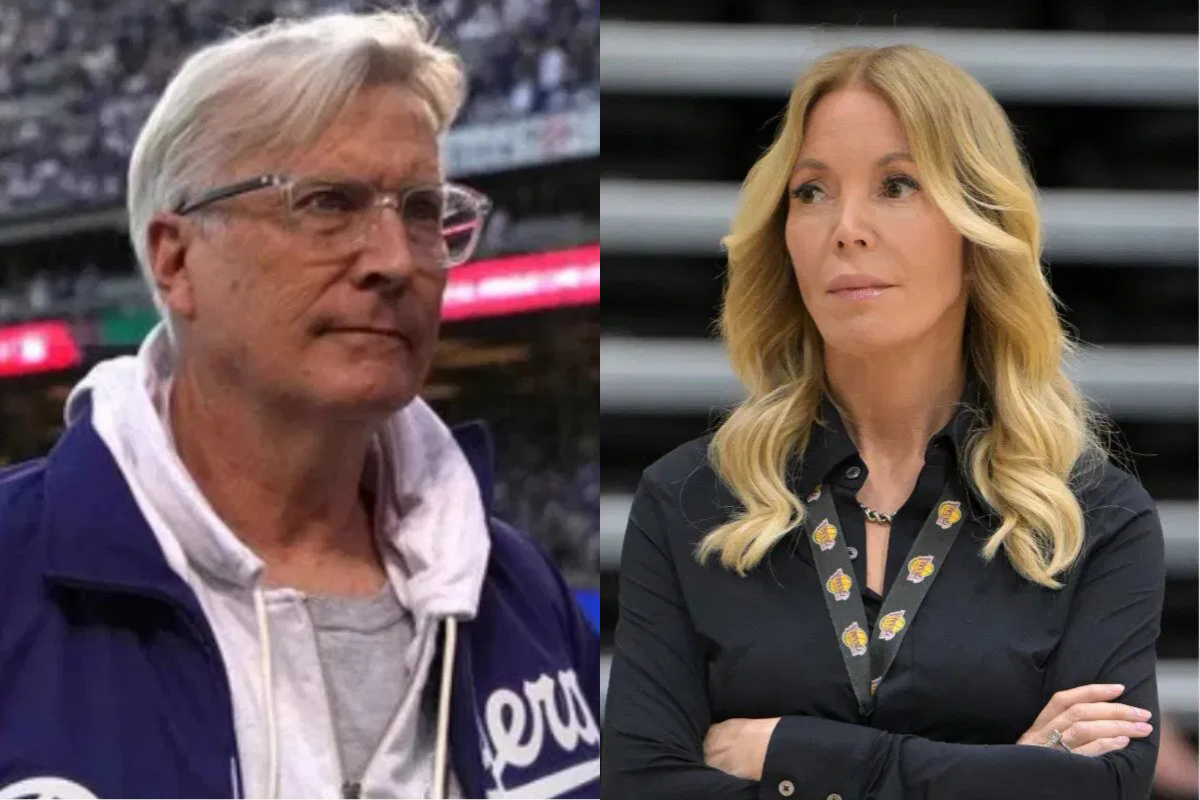
Lakeshow comes at a price, and the Lakers fans got another reminder. Mark Walter’s first postseason as the Los Angeles Lakers’ majority owner has already come with a price tag. Less than six months after he completed the record $10 billion acquisition that ended 46 years of Buss family control, the Guggenheim Partners CEO is now opening up a section of the Crypto.com Arena that has been untouchable for nearly half a century, and fans are not amused.
Watch What’s Trending Now!
The Lakers announced on Thursday that they will introduce a “Courtside Reserve.” They described it as second-row courtside seating that will be made available this postseason. Also, it will mark the first time the organization has expanded its floor section in close to 50 years.
The Lakers announce they are adding a second row of courtside seating for the playoffs pic.twitter.com/nv8aNfv6WP
— Dave McMenamin (@mcten) April 9, 2026
The premium package includes in-seat food and beverage service, VIP club access, and a seamless arrival experience, but inventory is limited and tickets cannot be resold. The franchise framed it as a rare opportunity to experience the game from “its most coveted vantage point,” citing courtside’s decades-long cultural association with Hollywood and exclusivity.
Top Stories





With the team making the playoffs directly for the second consecutive season, fans expected more and better.
From Ticket Hikes to Courtside Expansions, Lakers Fans Say Enough
The announcement landed hard among the fanbase. “These new owners greedier than Jeanie,” one fan tweeted. “This is an immense amount of greed Jeanie didn’t even have,” echoed another. A third cut straight to the basketball reality: “Wow, you can watch them lose from closer and for more money.”
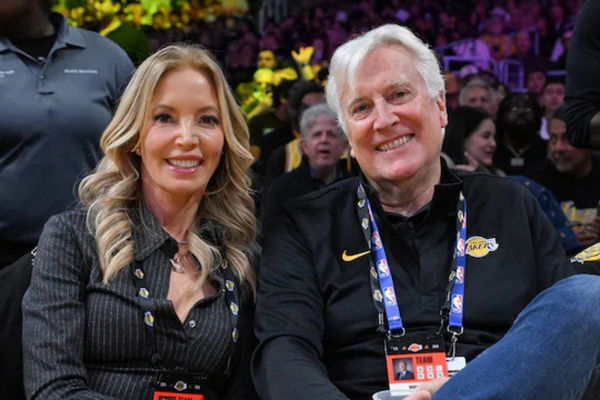
Furthermore, the commentary wasn’t unfounded. The Lakers are navigating an injury-plagued postseason push, with Luka Doncic and Austin Reaves ruled out for the rest of the regular season, making the timing of a premium seating launch feel tone-deaf to a portion of the base.
The backlash has followed a pattern that has been building since Walter took the reins. Season ticket holders were already facing a minimum 14% price increase for the 2026-27 season, with some fans in the 300 level seeing hikes as steep as 45.9%. That’s a jump from $6,192 to $9,035 for a single section. One longtime 300-level holder with five seats saw their package balloon from roughly $15,000 to $22,000 overnight.
The team’s response at the time cited “current market landscape and demand.” That language did little to soften the blow.
Walter’s Dodgers Blueprint Has Arrived at Crypto.com Arena
None of this is disconnected from how Walter has operated over the years. Since he took over the Dodgers in 2012, the cost of attending a game at Dodger Stadium rose 58% over nine years. Now, that’s nearly double the 31% increase Lakers fans experienced over the same period.
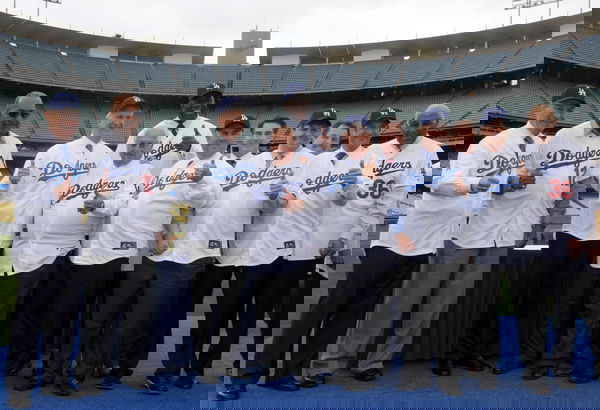
Imago
MLB, Baseball Herren, USA Los Angeles Dodgers press conference, PK, Pressekonferenz May 2, 2012 Los Angeles, CA, USA Members of the Guggenheim baseball management team pose with former Los Angeles Dodgers players at a press conference to announce their sale of the Dodgers at Dodger Stadium. From left: Stan Kasten and Tommy Davis and Mark Walter and Tommy Lasorda and Magic Johnson and Bobby Patton and Steve Garvey and Todd Boehly and Ron Cey and Peter Guber and Don Newcombe. Los Angeles California United States, EDITORIAL USE ONLY PUBLICATIONxINxGERxSUIxAUTxONLY Copyright: xKirbyxLee-USAxTODAYxSportsx 6223156
When the sale was announced, the track record was widely recognised. Then, industry analysts pointed out that the Lakers’ Fan Cost Index was already $771.76 (16th in the NBA), significantly higher than the league average of $448.61. Walter’s philosophy, as previously stated, is to treat franchises like luxury brands, which, unfortunately, do not offer discounts. The business case is straightforward: winning costs money, and Walter spent heavily with the Dodgers before raising prices to match the trophies.
The Courtside Reserve move is an ideal fit for that model. Walter is essentially monetising the Showtime era, which the Buss family spent generations creating, by releasing floor-level inventory that has been off the market for decades and packaging it as a premium hospitality product.
Walter paid around $6 billion for the majority stake, including his pre-existing 27% minority share. With a $10 billion franchise valuation to justify, every untapped revenue stream becomes relevant, and fans who labelled him “a money-making machine” may not be mistaken.
To summarise, the question is whether the purple and gold faithful are willing to continue paying what it takes to watch from inside the machine. That depends on Luka Doncic and his teammates. Bringing home the 18th title.
Written by

Edited by

Ved Vaze