Imago
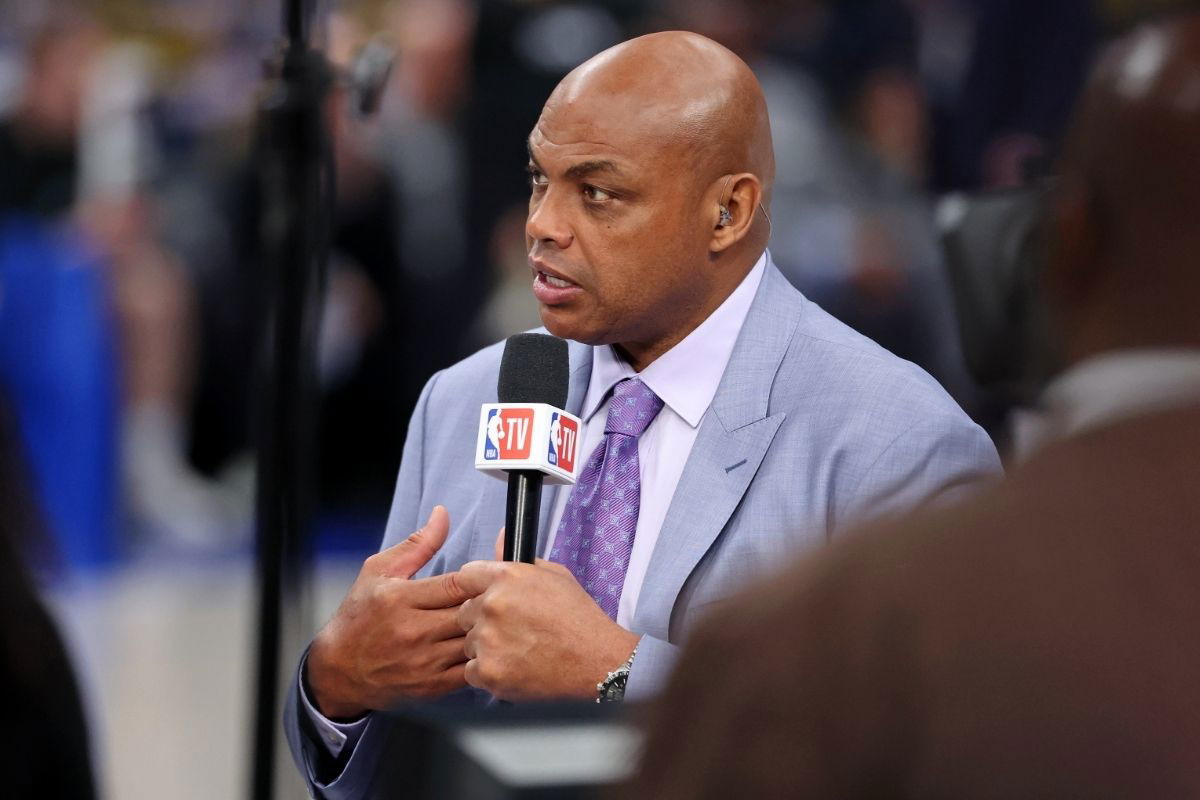
Jun 12, 2024; Dallas, Texas, USA; NBA TV analyst Charles Barkley talks on set before game three of the 2024 NBA Finals between the Boston Celtics and the Dallas Mavericks at American Airlines Center. Mandatory Credit: Kevin Jairaj-Imagn Images
Imago
Jun 12, 2024; Dallas, Texas, USA; NBA TV analyst Charles Barkley talks on set before game three of the 2024 NBA Finals between the Boston Celtics and the Dallas Mavericks at American Airlines Center. Mandatory Credit: Kevin Jairaj-Imagn Images
Charles Barkley and Shaquille O’Neal, despite being good friends, don’t see eye to eye on one matter. Guess what it is? Chuck strongly disagrees with Shaq’s belief that coaches don’t hold much significance in the NBA. He once dismissed the Big Aristotle’s opinion, saying, “Every time Shaq says that, it sounds stupid or every time. Coaching is important and it might not be important to a superstar which first of all I believe it’s important but I think it’s really important for your role players and guys like that.” While some see coaching as secondary to player talent, others believe the right coach can make or break a team.
Watch What’s Trending Now!
Recent NBA seasons have highlighted the challenges teams face in securing the right coaching fit. The Los Angeles Lakers, for instance, dismissed Darvin Ham after just two seasons, despite initial high expectations. Similarly, the Phoenix Suns parted ways with Monty Williams after four seasons, and Frank Vogel’s tenure lasted merely one season. This trend of rapid coaching turnovers raises questions about organizational patience and the complexities of finding coaches who align seamlessly with team dynamics.
In an interview on NBA on TNT, General Martin Dempsey discussed leadership, emphasizing that influence is more effective than authority. His words align with Barkley’s own experience of leadership within a team. Chuck revealed how he learned about the importance of maintaining balance with praises and scoldings based on the different personalities and skills of the players through his experiences on the court.
Top Stories





Imago
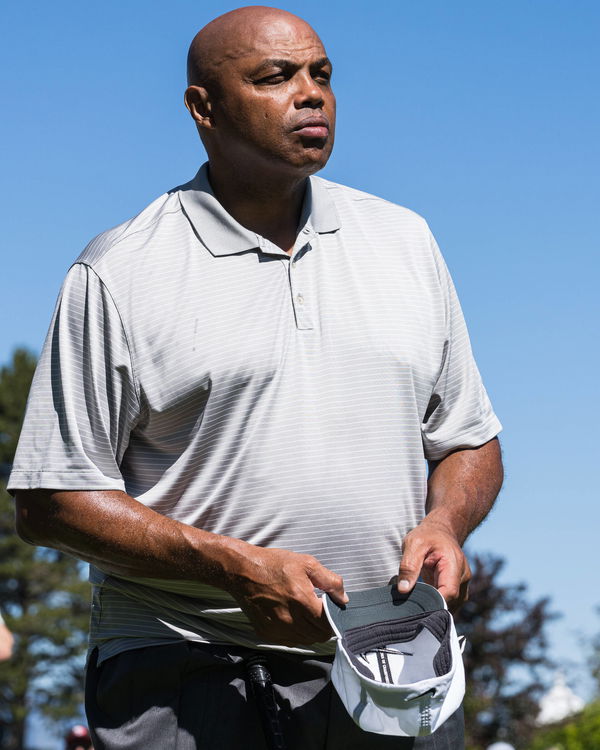
July 8, 2022, Stateline, Nevada, U.S: NBA, Basketball Herren, USA Hall of Fame CHARLES BARKLEY at the first tee during the American Century Championship at the Edgewood Tahoe Golf Course in Stateline, Nevada, on Friday, July 8, 2022. Stateline U.S. – ZUMAb130 20220708_zap_b130_111 Copyright: xTracyxBarbutesx
“The hardest part for me was realizing that you can’t yell at everybody,” he pointed out. According to Barkley, unlike him, who uses tough love to further push himself, not everyone can do the same. He concluded, “On an NBA team, you have to figure out who you can yell at. And same thing with a coach, I think that’s the hardest job for an NBA coach — trying to figure out who he can yell at and who he has to pat on the back, who has massage his back all the time and there’s a talent to that.” Overall, he shed light on the nuanced art of coaching, where understanding and influencing players can lead to collective success. Well, Charles Barkley has never been shy about sharing his opinions, especially when it comes to college basketball.
How Alabama proves Charles Barkley wrong
As March Madness heats up, the former Auburn star took a shot at Alabama and its head coach, Nate Oats. “Let me tell you something about that guy, Coach Oats. Hate it when he came to the SEC,” Barkley remarked during Auburn’s game against Ole Miss. However, his words carried no malice—just frustration over how good Oats is at his job.
Barkley had already seen the coach’s talent during his time at Buffalo. When Alabama hired him, Chuck knew they were getting a game-changer. He predicted that Oats would turn the team into championship contenders—and he wasn’t wrong.
Before Alabama faced UNC, Barkley criticized them, calling them a “very frail team.” But Oats and his squad took that personally. They secured a thrilling 89-87 win, proving their resilience.
After the victory, Oats responded, “You know, Charles Barkley called us frail. I don’t think (Grant) was frail tonight.” His team had outplayed UNC, and forward Grant Nelson shined with 24 points and 12 rebounds.
In the locker room, Oats fired back again, shouting, “We ain’t frail! And we’re in the Elite Eight!” His team’s confidence was soaring. Barkley, always quick to acknowledge greatness, gave Alabama their due praise after the team advanced to the Final Four. “I want to congratulate the University of Alabama… ROLLLL TIIIIIIDE!” he said. From doubt to dominance, Alabama proved Barkley wrong—at least for now.
Written by

Edited by

Wairakpam Chinglembi Chanu