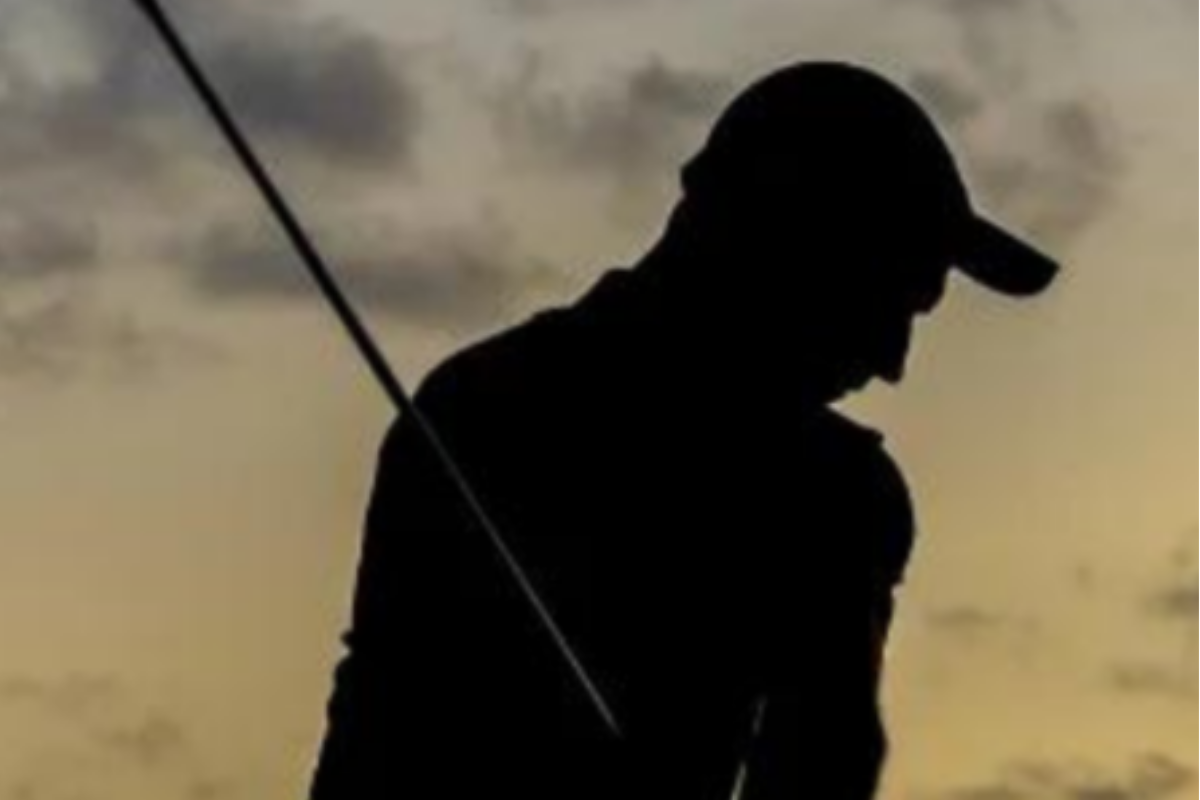
Marcus Armitage sat down for the Life on Tour podcast and admitted something most pros won’t: he was 100 grand in debt, facing bankruptcy, and one missed cut away from losing everything.
Watch What’s Trending Now!
The year was 2019. Armitage walked into the tour school carrying £100,000 in debt and the weight of a mortgage he and partner Lucy had just taken on. If he failed to secure his card, bankruptcy wasn’t a possibility — it was a certainty.
“Me and Lucy just got our first house, and I went to tour school, and if I would have missed you know my card, I would have been bankrupt,” Armitage said on the December 9 podcast. “She would have been, you know, her business would have been a big thing, we would have lost the house, we would have lost everything.”
ADVERTISEMENT
The stakes weren’t abstract. They were concrete, immediate, and crushing.
“I got a tour card,” Armitage said. “A lot of people helped me along the way there but got a tour card and then come back out and I’ve been on tour since.”
He tied for 13th at Q School. The card was secured. The house was saved. Lucy’s business survived. Fellow pro Robert Rock loaned Armitage £5,000 to cover expenses for the first tournaments of the 2020 season. That loan was repaid weeks later when Armitage finished third at the South African Open, earning over £82,000 and securing his spot at The Open Championship.
ADVERTISEMENT
Five years later, Armitage is still on tour. He’s 38 now, an active, fully exempt DP World Tour member. He won his first and only tour title at the 2021 Porsche European Open, an emotional victory he dedicated to his late mother, Jean, who died of cancer when he was 13.
View this post on Instagram
ADVERTISEMENT
But survival mode has its limits. Armitage now works with a psychologist focused on pushing him past what he calls the “glass ceiling”—the mental barrier between maintaining status and achieving more.
“So you go from that to now surviving enough like you want to, I want to smash through the glass ceiling, strive for more,” Armitage explained. “And that’s my new psychologist, that’s what he’s, you know, trying to get me to tap into is that just surviving isn’t enough and there is more out there.”
The shift is deliberate. For years, Armitage played to keep his card, avoid financial collapse, and protect the life he’d built with Lucy. Now, he’s playing to win.
ADVERTISEMENT
“And you know that that glass ceiling you can go through it if you really focus on it,” he said.
Top Stories
Bryson DeChambeau Visits PGA of America as LIV Golf’s Future Looks Bleak

Patrick Reed Cuts Ties With LIV Golf as He Commits to PGA Tour With Public Message
LIV Golf Issues Calculated Message as Patrick Reed Walks Away
DP World Tour Pro Punished for Failing Doping Test With Lengthy Suspension Verdict
Charley Hull Stands Her Ground After Nelly Korda Disapproved of Her Involvement in New Women’s League
The financial reality most pros won’t discuss
Armitage’s admission pulls back the curtain on a reality many tour professionals face but rarely acknowledge publicly. Playing professional golf isn’t just about talent—it’s about survival economics that can bury careers before they start.
ADVERTISEMENT
A DP World Tour season costs between €120,000 and €200,000. Caddies alone run $75,000 to $120,000 annually. Travel, accommodations, coaching, and equipment compound quickly. The tour’s Earnings Assurance Programme guarantees exempt players a minimum of $150,000 if they compete in at least 15 events, but that barely covers expenses before factoring in tax and support staff.

Imago
Mandatory Credits: Trump National Golf Club Hudson Valley
Armitage previously revealed that he and his father slept in tents during early developmental tour events. A friend once left £40 stuffed in his rangefinder box, which he used to buy quilts. Those weren’t romantic hardship stories—they were survival tactics.
ADVERTISEMENT
By 2019, after a brutal Challenge Tour season where he earned less than €15,000, the debt had ballooned to £100,000. Debt is common among players on developmental tours like the Challenge Tour, where annual costs can reach €90,000 while earnings hover around €10,000 to €20,000. Many rely on family support, side jobs, or sponsors just to stay in the game.
The DP World Tour’s reduced card allocation—now awarding only the top 20 and ties at Q School—means the margin for error is shrinking. Players who finish outside the Race to Dubai rankings lose their full privileges and must return to Q School or survive on limited exemptions.
Armitage knows that landscape intimately. He’s lived it. He’s survived it. Now, he’s trying to transcend it. At 38, his window is narrowing. But his story isn’t over. It’s simply shifting from one chapter—survival—to the next: ambition.
ADVERTISEMENT
ADVERTISEMENT
ADVERTISEMENT
ADVERTISEMENT
Related Newsletters