More on NFL DRAFT 2026
Iowa State DT Dom Orange Works Out for 10 NFL Teams After Quad Injury Kept Him Out of Predraft Process
Iowa State's Dom Orange is back after an injury sidelined him during the predraft. Find out which 12 NFL teams attended his recent workout.
3 Underrated Draft Targets the Chiefs Can’t Afford to Miss
Take a look at top 3 underrated draft prospects that general manager Brett Veach could target for the Kansas City Chiefs.
Where the Top 2027 NFL Draft Prospects Would Go If Eligible in 2026: Arch Manning, Dante Moore and More
If the 2026 and 2027 draft classes merged into one, where would some of the top 2027 prospects go in this draft?
$5.7B NFL Team Moves First on Diego Pavia While Jets Urged to Take Action
Diego Pavia’s draft buzz heats up as a $5.7B NFL team makes its first move to evaluate the polarizing QB prospect.
Fernando Mendoza Makes Trevor Lawrence-Inspired Move Ahead of NFL Draft
Fernando Mendoza is taking a leaf out of the veterans before him, and he's also carving out a fortune for himself on the side.
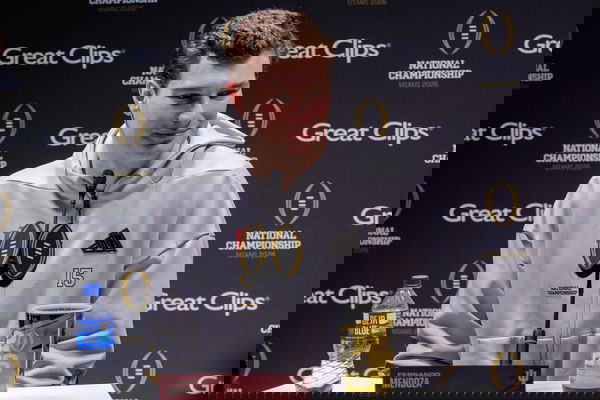
Which NFL Teams Should Trade for the Giants’ Dexter Lawrence II
NFL writer Daniel Rios breaks down the NFL teams who should trade for Dexter Lawrence following his trade request
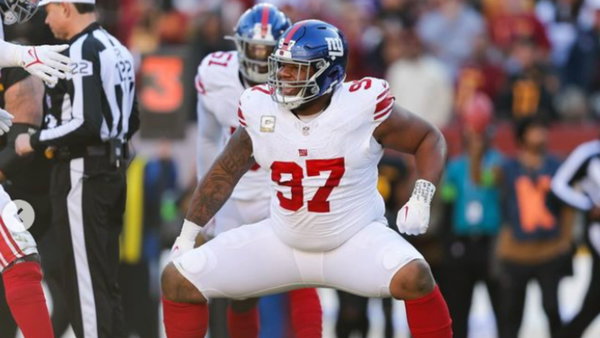
Rams 7-Round Mock Draft: Spencer Fano Picked First as Rams Give Matthew Stafford Another Weapon
The Rams don't make the interesting pick, but the right pick at 14 before filling out some of their other needs in my latest 7-round mock.
Daniel Rios’ NFL Mock Draft 1.0: Love in Top 5 and Lemon to the Vikings
In his first NFL Mock Draft, Daniel Rios has Jeremiyah Love going in the top 5 and two safeties going in the top 10.
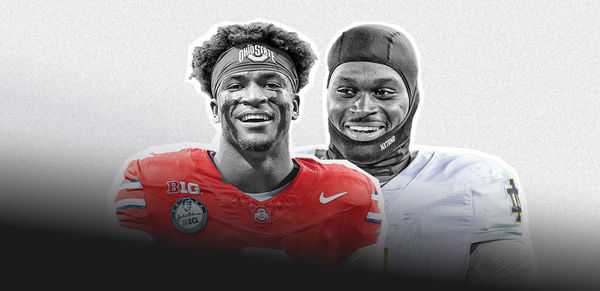
Cowboys HC Brian Schottenheimer’s “Draft Pure” Strategy Could Be Dallas’ Undoing in 2026
Has Brian Schottenheimer's draft plans already thrown a wrench in Dallas' rebuild? History suggests a grim fate for 2026 if nothing changes.
2026 NFL Draft vs 2025: How the Classes Compare at QB, RB, LB, DT, TE, and Safety
With just weeks until the draft, it's a good time to compare where this draft is strong and where it's weak, using the 2025 draft as a comparison
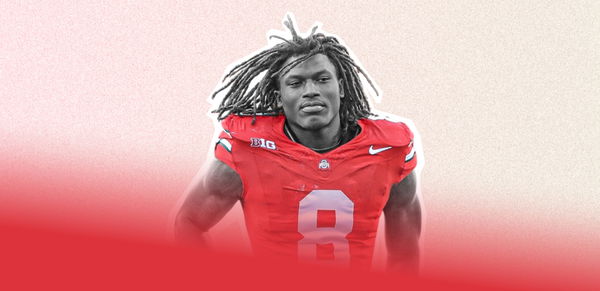
Why Rueben Bain Jr.’s Arm Length Is a Non-Issue in the NFL
Rueben Bain Jr's arm length has been a major discussion in the draft process. Daniel Rios breaks it down why it may not matter that much
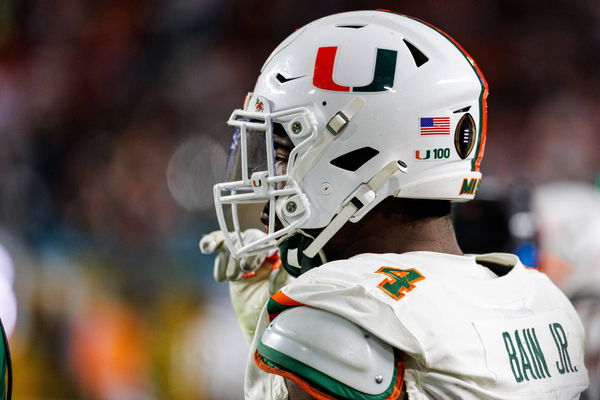
Ranking the Best Draft Prospects for the Chiefs’ Two First-Round Picks
Kansas City has two first-round picks this year and NFL writer Daniel Rios ranks their options for both selections
About NFL DRAFT 2026
What is the NFL Draft?
Bruce Smith, Orlando Pace, John Elway, Earl Campbell, Tom Brady, Jerry Rice, Joe Montana, and Walter Payton share a legacy as Hall of Famers and champions in NFL history. Yet Bruce, Pace, and Elway stand out further as first-round NFL draft picks.
So, what is this NFL draft? Let's dive into the details. The annual NFL Draft lets teams add new college talent to their rosters. Some rookies spark instant wins and titles; others develop gradually. Early picks carry higher odds of elevating teams, regardless of round. The system has evolved over the years, becoming increasingly complex as teams compete for top players.
Competition for stars, external against rival leagues, and internal among clubs, has prompted ongoing rule changes for fairness. The NFL sets clear rules on pick order, total picks, and trade negotiations. So, first, let’s start with the NFL draft of 2026. Where and when will it take place?
NFL Draft 2026 Location and Dates?
Pittsburgh will host the 2026 NFL Draft! The Steel City steps up for this year's showcase, here are the key details on dates, locations, and times.
The event runs April 23-25, 2026, centered on Pittsburgh’s North Shore and Point State Park, plus Acrisure Stadium, with nearby venues activated for full immersion.
“As we near the 2026 NFL Draft, we’re partnering closely with VisitPITTSBURGH, the Pittsburgh Steelers, and local teams to deliver an unforgettable experience for fans near and far,” said Peter O’Reilly, NFL executive vice president of club business, league events, and international. “We can’t wait to highlight the city across Draft festivities and showcase Pittsburgh’s passion and energy to the world.”
What time does the NFL Draft start?
Exact start times for the 2026 NFL Draft remain unconfirmed, but expect Round 1 to kick off around 8 p.m. ET on Thursday, April 23. Rounds 2 and 3 follow Friday, April 24, with Rounds 4-7 wrapping up Saturday, April 25.
Several trades have reshuffled the first-round order already. The Atlanta Falcons, Green Bay Packers, Jacksonville Jaguars, and Indianapolis Colts sit out Round 1: Los Angeles Rams hold Atlanta's pick, Dallas Cowboys take Green Bay's, New York Jets get Indianapolis's, and Cleveland Browns claim Jacksonville's.
Typically, the draft clock begins at 8 p.m. ET, giving each team 10 minutes per first-round selection.
The History of the NFL Draft
When did the National Football League start in America? 50 years ago? 20 years ago? Nope, it began in 1920! The NFL launched as the American Professional Football Association (APFA) in Canton, Ohio, on September 17, 1920. Its first teams included the Bears and Cardinals, and it officially became the National Football League (NFL) in 1922, growing from 14 teams into America's top professional football league.
Then came the NFL waiver system, established in 1934. This lets teams pick players. Philadelphia Eagles co-owner Bert Bell feared his team couldn't sign top talent without the cash edge that bigger clubs held.
Without that financial muscle, the Eagles and similar teams struggled for impact players. At the 1935 league meeting, Bell proposed an annual player draft to level the field and ensure every franchise's viability. Owners unanimously approved, kicking off the first in 1936.
Today, we link the NFL to dazzling stadium lights, roaring crowds, and glamorous drafts that thrill fans. Back then? Nothing like the spectacle fans expect now.
Feb. 8, 1936, marked the day of the first NFL Draft at Philadelphia’s Ritz-Carlton Hotel, with clubs choosing from just 90 players. No glamour, no media frenzy. No scouting departments, agents, or round-the-clock coverage, the player list came from newspaper clips, college visits by execs, and front-office recommendations.
Why Pittsburgh Was Chosen to Host the NFL Draft 2026?
This year, the NFL draft is coming to Pittsburgh. But what’s so special about the Steel City? Of course, the NFL wouldn’t hold it here without football in its DNA. Pittsburgh’s football pedigree? Second to none. Home to the Pittsburgh Steelers, one of the NFL’s most successful and historic franchises.
The fan base symbolizes loyalty and pride. Back in 1974, the Steelers’ draft class featured future Hall of Famers and sparked a dynasty, winning four Super Bowls in six seasons. This city breathes football—its legacy intertwined with working-class grit, hustle, neighborhoods, and skylines where Terrible Towels wave from office windows during playoff runs.
Hosting the NFL Draft honors Pittsburgh’s football legacy while charting a bold future. This event belongs to the city, where producing elite talent and passion for the game define its identity.
How does the NFL draft work? The Rules of the Draft
The NFL draft is a pretty lengthy business! It’s a seven-round annual event where teams select eligible college football players, and sometimes even interchange veteran players among the teams as well. This is also determined by the previous season’s reverse standings. Basically, the teams that performed not so well in the previous season get the first chance to pick the best players so that they can boost their gameplay.
Rules involve player eligibility (three years out of high school), trading picks, and slotted rookie contracts, all while aiming for competitive balance and team building. OK, so now to understand this significant process a bit more, let’s get into the details of the rules.
- Assigning draft picks- the order of the draft pick is decided by the reverse order of finish in the previous season. The round starts with the team that finished with the worst record. Now this sounds bad on the surface, but it’s actually helping these teams. This is because they get the first chance to select the best of the best to improve their teamwork.
- Under the collective agreement of the NFL bargaining agreements, the league can assign as many as 32 additional compensated free agent picks, which allow clubs that have lost free agents to another team to use the draft to try to fill the void.
- The NFL draft takes place over three days. Among these three days, only the first round takes place on Thursday and starts at 8 PM Eastern time.
- Each team has only 10 minutes to pick the players in the first round of the NFL draft. The second and third rounds are on Friday; rounds 4-7 are on Saturday. Teams get seven minutes to make picks in the second round, five minutes for regular or compensatory picks in rounds 3-6, and four minutes in round 7.
- If a team lets this particular time expire without making any choices, they do have leverage to make another choice later. But the risk that it has is that the next team can take away the player that the other team was expecting to choose.
- Every team has a table set up for them at the draft area, where the team representative is always in constant contact with executives at each club’s headquarters. When a team decides on a player, they communicate their choice from the draft room to the executives sitting at the headquarters through a selection square. The team representative then has to write the player's name, position, and school on a card and submit it to the NFL staff member, who is known as the runner.
- As soon as the runner gets the guard, the draft pick becomes official. This means that the time set in the clock will start again from scratch for the next pick. A second runner goes to the representatives of the team up next and lets them know who was chosen.
- Once teams are assigned their draft positions, each pick is an asset: It’s up to the club’s executives to either select a player or trade the pick to another team to improve their position in the current or future drafts.
- To be eligible for the draft, the players have to be out of high school for at least three years and must have used their college eligibility before the start of the next college football season. Underclassmen and players who have graduated before using all their college eligibility may request the league’s approval to enter the draft early. Players are eligible for the draft only at the end of their college eligibility. This means that the staff at the NFL has to research 3000 college going individuals to see who is eligible and who is not.
Iconic Moments from Past NFL Drafts
The NFL stands iconic, delivering frame-worthy draft moments yearly! Listing everyone proves tough, so here are the top highlights from the modern era.
Eli Manning refused to play for the San Diego Chargers, who held the No. 1 pick. They drafted him anyway, but traded him to the New York Giants for quarterback Philip Rivers (No. 4 overall) plus extra picks. Both thrived long-term with their teams.
Quarterback John Elway rejected the Baltimore Colts at No. 1. Drafted there, he traded to the Denver Broncos a week later, winning two Super Bowls.
Ricky Williams' Historic Trade: The New Orleans Saints sent all their 1999 picks plus two from 2000 to the Washington Redskins to jump to No. 5 for the running back.
Aaron Rodgers slid to No. 24, where the Green Bay Packers grabbed him despite his elite talent.
Hall of Fame quarterback Dan Marino tumbled in the 1983 draft after a weak senior year—five QBs went before him—yet he built a legendary career.
Tom Brady ranks as the ultimate draft steal: six quarterbacks preceded the New England Patriots' sixth-round choice at No. 199 in 2000.
Philadelphia Eagles fans booed the No. 2 pick of Donovan McNabb in 1999, craving Ricky Williams instead. McNabb later drove five NFC Championship runs and a Super Bowl trip.
In the 2020 virtual draft, Patriots coach Bill Belichick let his dog Nike steal the webcam spotlight, making it look like the pup picked for New England.
During the 2003 draft, the Minnesota Vikings' trade talks timed out in Round 1. The Jacksonville Jaguars pounced, forcing Minnesota to wait past the Carolina Panthers' selection.
Top Draft Trades in NFL
The NFL draft blends entertainment and drama—no script needed. Its unpredictability fuels the excitement and iconic status. Here are some top draft trades!
The Atlanta Falcons traded up to select Julio Jones.
New England Patriots traded for Randy Moss.
Pittsburgh Steelers traded to select Troy Polamalu.
Pittsburgh Steelers also traded for Jerome Bettis.
Kansas City Chiefs traded up to select Tony Gonzalez.
Seattle Seahawks traded to select Walter Jones.
Chargers and Giants swapped quarterbacks.
Tampa Bay Buccaneers traded up to select Derrick Brooks.
Dallas Cowboys traded to select Emmitt Smith.
San Francisco 49ers traded up to select Jerry Rice.
NFL Draft 2026 Picks by Round
Here are the draft picks of 2026 by Round:The top 24 picks are official.- Las Vegas
- New York Jets
- Arizona
- Tennessee
- New York Giants
- Cleveland
- Washington
- New Orleans
- Kansas City
- Cincinnati
- Miami
- Dallas
- Los Angeles Rams (via Atlanta)
- Baltimore
- Tampa Bay
- New York Jets (via Indianapolis)
- Detroit
- Minnesota
- Carolina
- Dallas (via Green Bay)
- Pittsburgh
- Los Angeles Chargers
- Philadelphia
- Cleveland (via Jacksonville)
- Chicago
- Buffalo
- San Francisco
- Houston
- Los Angeles Rams
- New England
- Denver
- Seattle
NFL 2026 Draft Prospect Rankings
There are probabilities and high chances of some players being drafted before others. So let’s see the 2026 Draft Prospect Rankings as per ESPN:| PROSPECT | KIPER | REID | MILLER | MUENCH | AVG | |
| T-1 | Jeremiyah Love, RB, Notre Dame | 3 | 3 | 1 | 2 | 2.3 |
| T-1 | Arvell Reese, LB, Ohio State | 4 | 1 | 3 | 1 | 2.3 |
| 3 | Caleb Downs, S, Ohio State | 7 | 2 | 2 | 3 | 3.5 |
| 4 | Dante Moore, QB, Oregon | 2 | 5 | 6 | 4 | 4.3 |
| 5 | Fernando Mendoza, QB, Indiana | 1 | 7 | 5 | 5 | 4.5 |
| 6 | Francis Mauigoa, OT, Miami | 5 | 9 | 8 | 7 | 7.3 |
| 7 | Rueben Bain Jr., Edge, Miami | 14 | 8 | 4 | 8 | 8.5 |
| T-8 | Peter Woods, DT, Clemson | 21 | 4 | 7 | 9 | 10.3 |
| T-9 | Carnell Tate, WR, Ohio State | 9 | 10 | 9 | 13 | 10.3 |
| 10 | Jordyn Tyson, WR, Arizona State | 11 | 11 | 14 | 12 | 12.0 |
How Much Will 2026 NFL Draft Picks Make?
With the top 2026 draft picks shortlisted, we can project earnings for their skills!
Here are probable rookie salary scales for the 2026 NFL Draft. The No. 1 overall pick should sign a four-year deal near $55 million, including a massive signing bonus. Total values follow the rookie wage scale from the collective bargaining agreement, dropping for later picks.
| Pick | Total Value | Year 1 | Signing Bonus (Estimated) |
| 1 | $55,077,000 | $10,014,000 | $36,516,000 |
| 2 | $52,589,790 | $9,561,780 | $34,707,120 |
| 3 | $51,007,048 | $9,274,009 | $33,556,036 |
| 4 | $49,198,152 | $8,945,118 | - |
| 5 | $46,032,602 | $8,369,564 | - |
| 10 | $29,865,740 | $5,430,134 | - |
| 20 | $20,143,016 | $3,662,366 | - |
| 32 | $16,284,928 | $2,960,896 | - |
| 33 | $13,020,542 | $2,367,371 | $1,574,335 |
NFL Draft 2026 Best Remaining Players
The 2026 remaining best players rankings are already in, even before the April drafting is scheduled. So here are the top 10:| RK | Prospect | Position | School |
| T-1 | Jeremiyah Love | RB | Notre Dame |
| T-1 | Arvell Reese | LB | Ohio State |
| 3 | Caleb Downs | S | Ohio State |
| 4 | Dante Moore | QB | Oregon |
| 5 | Fernando Mendoza | QB | Indiana |
| 6 | Francis Mauigoa | OT | Miami |
| 7 | Rueben Bain Jr. | Edge | Miami |
| T-8 | Peter Woods | DT | Clemson |
| T-9 | Carnell Tate | WR | Ohio State |
| 10 | Jordyn Tyson | WR | Arizona State |
How Are Draft Picks Traded Between Teams?
Teams negotiate trades anytime before or during the NFL Draft, swapping draft picks, players, or future assets to gain strategic edges, like jumping up for a star quarterback or sliding back for multiple selections and roster depth.
Deals can spark instantly via phone calls between front offices. Once agreed mid-draft, both teams alert the draft command center immediately. Officials, including overseers like Mike Fiore and league staff, man centralized phones to confirm details, prevent errors, and announce trades league-wide.
Approved swaps update the digital draft clock in real time, shifting pick order seamlessly. This fluid system adds drama, as teams balance risk, trading future picks might haunt later, but landing elite talent often pays off big. Successful trades, like the Giants' Eli Manning swap, reshape franchises for years.
NFL Draft Order After Wild Card Weekend
Draft positions hinge on season-ending games, too. The Pittsburgh Steelers' loss to the Houston Texans locked the top 24 picks for the 2026 NFL Draft order. Pittsburgh lands at 21st overall in April as the wild-card loser with the third-worst record.
The Steelers join four wild-card losers keeping their own first-round picks. The Green Bay Packers and Jacksonville Jaguars traded theirs away.
Wild Card games set Divisional playoff matchups: the lowest seed in each conference visits the top seed, while the second-lowest faces the second-highest.
How do trades affect the NFL draft order?
A trade of a player can directly alter the NFL draft order and allows teams to swap assigned selection slots or acquire additional picks in exchange for players or future picks.
The original draft order is based on the reverse order of the previous season's rankings. But this order can change when team executives deal to improve their position.
A team can swap its current pick with another to move up or down the draft board. Teams can also trade current NFL players or prospective college players to gain more selections for the current draft.
Another benefit trades provide is flexibility. A team targeting a specific player can trade up to secure them. Meanwhile, a team building depth can trade down for more picks.
What positions are strong in the 2026 NFL Draft?
The 2026 NFL Draft class features standout depth at several positions. Linebackers top the list, followed closely by wide receivers, safeties, offensive guards, and cornerbacks.
Strongest Positions
Linebackers lead with high-end talents like Harold Perkins Jr., CJ Allen, and Sonny Styles, offering versatile playmakers across schemes. Wide receivers shine via prospects such as Denzel Boston, Jordyn Tyson, and Evan Stewart, providing speed and size for every offense.
Safeties bring elite options, including Caleb Downs and Xavier Watts, ideal for modern defenses. Offensive guards and interior linemen, like Olaivavega Ioane, add trench depth, while cornerbacks like Jermod McCoy and Mansoor Delane bolster secondary talent.
Weaker Areas
Expect thinner high-end groups at quarterback (Dante Moore, Fernando Mendoza), edge rushers, and offensive tackles, though overall depth varies.
What Happens After the NFL Draft Ends?
Once the NFL Draft wraps up, undrafted rookies can sign as free agents with any team. They pursue contracts but earn less than drafted players.
These signees secure rookie minimum salaries plus modest signing bonuses. Drafted players, meanwhile, dive straight into rookie minicamps.
From there, draftees face intense pressure, with the world's expectations riding on their shoulders.