Latest On Winter Olympics

Latest News
Jack Hughes’ Agent Clears the Air Around PuckGate
6 days ago

Canada Hall of Fame Refuses Jack Hughes’ Demand for Olympics Gold Medal Puck
1 week ago

Jack Hughes to Request IIHF to Give Up Olympics Memorabilia
1 week ago
“She Was Shaking”: Ukrainian Olympian Details IOC President’s Behavior Over Milan Controversy
1 week ago
Emotional Shaun White Recounts Heartwarming Moment for Mother’s Day
1 week ago
Most Loved Stories
More on Winter Olympics
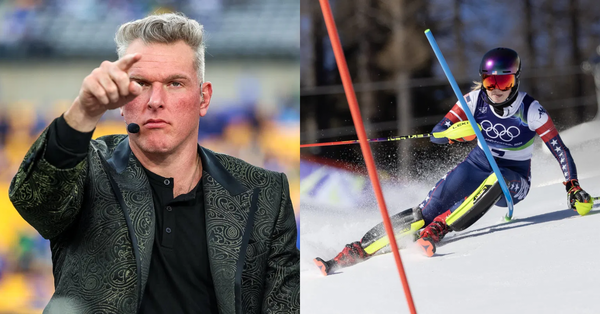
Sports Legend Pat McAfee Gives Huge Praise as Mikaela Shiffrin Scores 109th Win
Sports legend Pat McAfee heaps praise on Mikaela Shiffrin after her record-extending 109th World Cup win, calling her an absolute legend.
Alysa Liu Shuts Down Rumors Around ABC Show After Olympics Gold Medal Win
Alysa Liu shuts down rumors about a TV appearance after Olympic gold as her popularity surges with fans speculating about her next move.

IPC President Echoes IOC Issues With Ukrainian Athletes After Opening and Closing Ceremony Boycott
IPC President echoes IOC concerns as Ukraine boycotts Winter Paralympics opening and closing ceremonies, showing tensions in sport.

European Medalist Makes Clear Statement on Russian Athlete Ban
Italian skating champion defends Russian athletes’ return to the Paralympics, addressing controversy and global reactions to the decision.
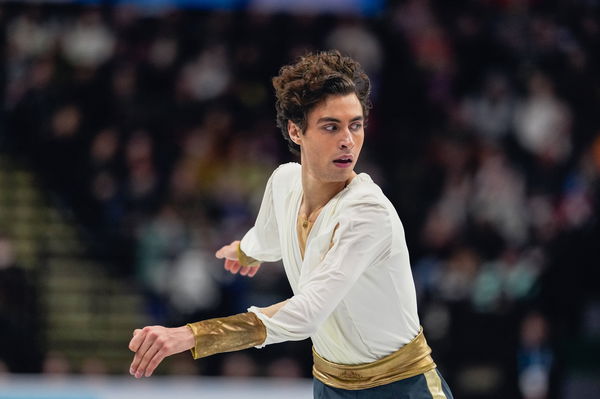
Silver Medalist Changes Olympics Mindset to Align With Alysa Liu’s Way to Win Gold Medal
Alysa Liu redefined success by skating with joy, inspiring a silver medalist’s Olympic journey and reshaping how athletes view competition.
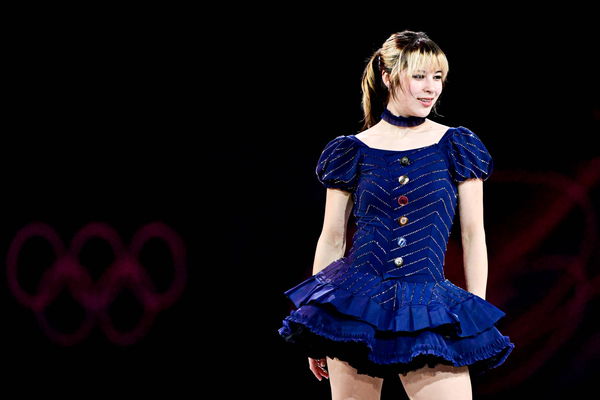
Olympian Chloe Kim Reveals Massive Personal Achievement After First Gold Medal at 15
Olympian Chloe Kim reveals she retired her parents at 15 after landing a life-changing sponsorship soon after winning her first gold medal.
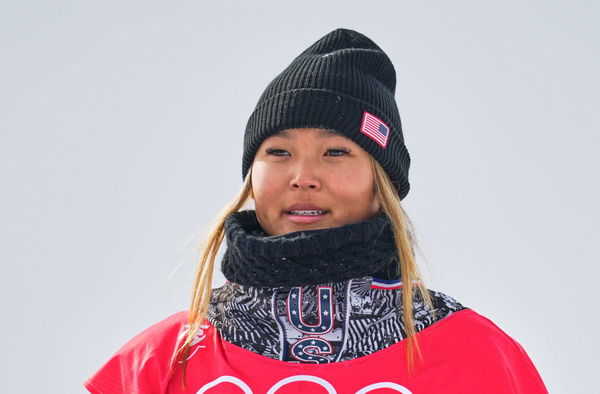
Mikaela Shiffrin Makes Clear Statement on Repeating Olympic Skiing Loss
Mikaela Shiffrin shrugs off costly GS mistake after Olympic setback, saying pushing the limits is part of racing despite another slip in Åre.
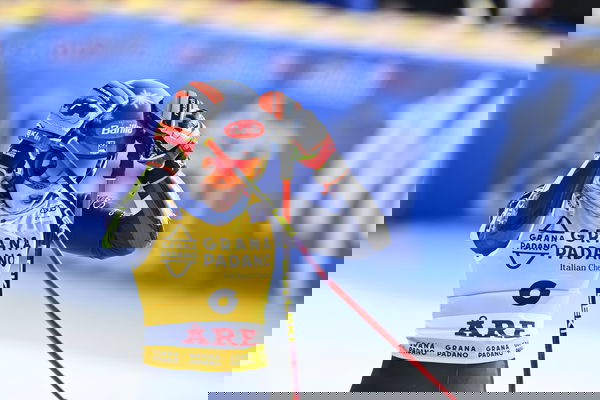
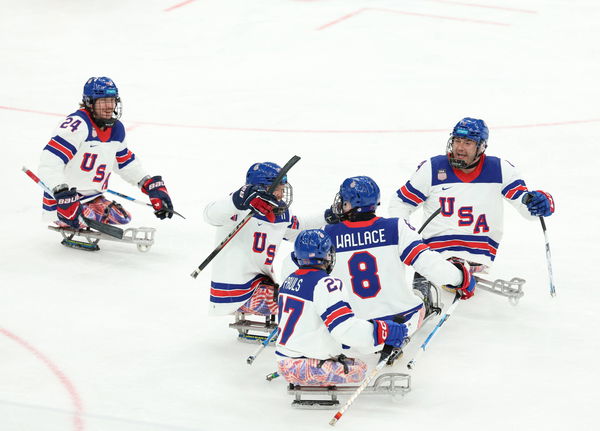
Team USA Scores Another Gold Medal to Crush Canada in Third Gold Medal Finals
Team USA secured another gold medal in the hockey finals, but this time the glory came during the Milan Paralympics.
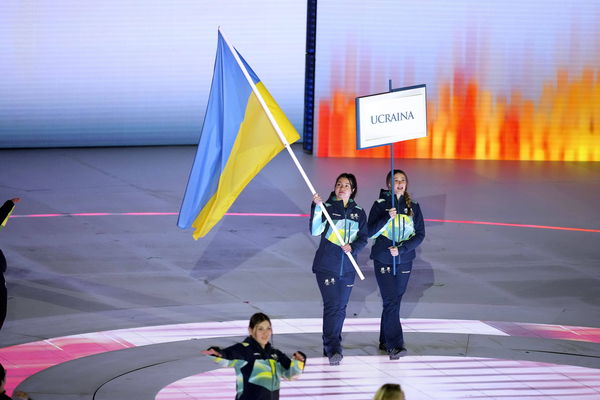
Ukraine Confirms Decision for Milan Paralympics Closing Ceremony
Controversy erupts at the Milan Paralympics following Ukraine's National Paralympic Committee decision regarding the closing ceremony.
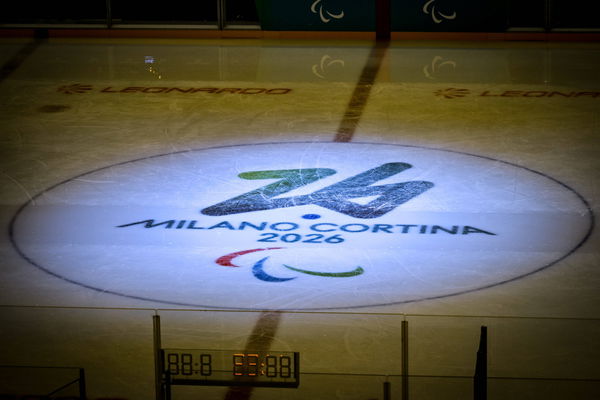
World Medalist Raises Awareness on Sidelined Women Amid Paralympics Ice Hockey Gold Medal
World Silver Medalist highlights the exclusion of women in Paralympic ice hockey, calling for equality as USA and Canada reach gold final.
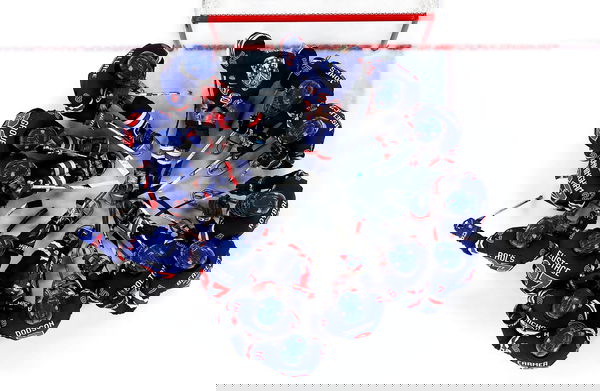
USA Close to Making Ice Hockey History as Canada Stands in the Way
Team USA closes in on Para ice hockey history with Canada standing in the way as rivals meet again in the gold medal final.
Alysa Liu Receives Special Oakland Honor After Praise From Two Golden State Warriors Members
Following praise from two Golden State Warriors stars, Alysa Liu basks in all the glory in her hometown with her people.
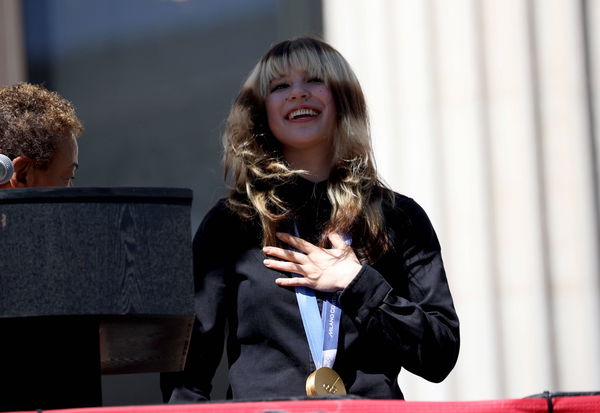
Alysa Liu’s Olympic Fame Creates Unexpected Challenges, Says San Francisco Native
San Francisco woman shares how Alysa Liu’s Olympic fame led to unexpected trouble, including a sudden Instagram suspension.
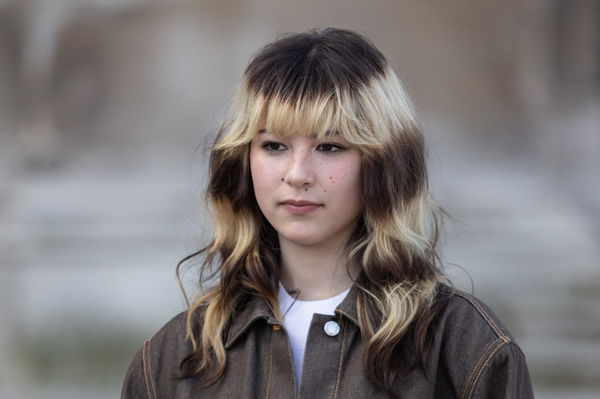
Gender Controversy Raise Concerns at Milan Paralympics Thanks to Mixed Events
Milan Paralympics 2026 mixed events show the gender imbalance, sparking debate over equality in Winter sports
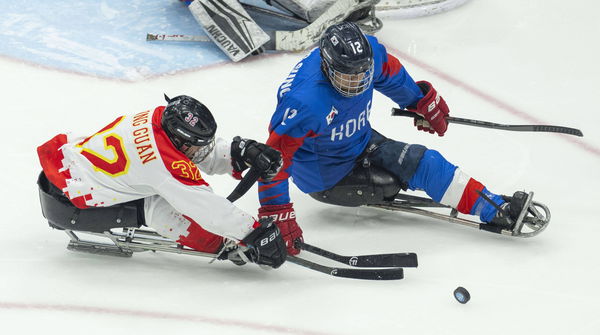
Alysa Liu Battles Scary Public Moment With Ease During Gold Medal Media Run
Alysa Liu navigates post-Olympic fame with poise, highlighting the challenges athletes face from invasive fans and stalking incidents.
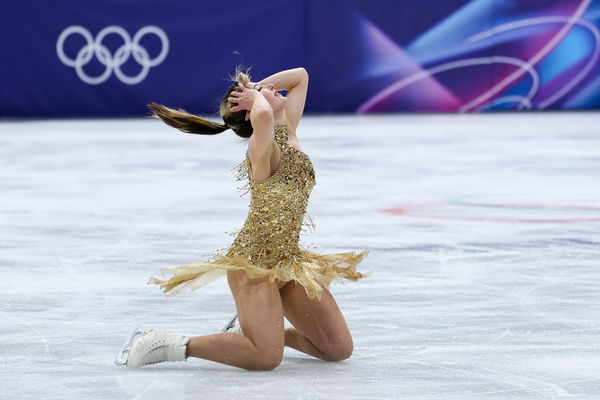
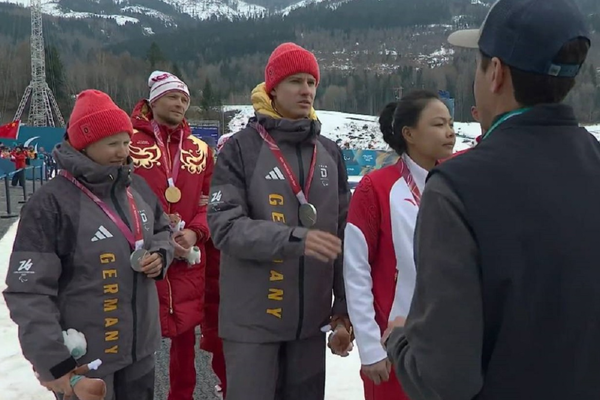
Olympians Snub Russian Athletes Over Gold Medal Loss at Milan Paralympics
At the Milan Paralympics, controversy erupted following German athletes' gesture towards the Russians' gold medal win.
Alysa Liu Chooses International Event Over World Championships Absence
Alysa Liu turns heads in Paris after skipping the World Championships, attending a major fashion event during her post-Olympic break.
Lindsey Vonn Shares Updates on Olympics Injury After Escaping Worse Fate
Lindsey Vonn comes with a brand new update on her injury from the Milan Olympics, as she avoided the worst of fates during surgery.

IPC Follows IOC in Threatening Ukrainian Athlete’s Chances for Gold Medal Over Accessory
Weeks after the IOC's controversy, the IPC issues a warning for the Ukrainian biathlete at the Paralympics over this particular reason.
Alysa Liu Speaks on Eileen Gu USA-China Comparisons During Winter Olympics
Alysa Liu defends Eileen Gu amid USA-China criticism, calling the backlash hypocritical while opening up about their long friendship.
Alysa Liu Responds to Millions Questioning World Championship Decision
After withdrawing from what could've been a chance to defend her world title, Alysa Liu comes up with an official statement.
Mikaela Shiffrin’s Words on Late Father Brings Olympics Journey Full Circle for Reporter
After Mikaela Shiffrin spoke about her late father following Olympic gold, one reporter revealed how the moment resonated with her own loss.
“Cry After Falling”: Alysa Liu Reveals Troubling Times Before Olympic Gold Medal
Before the Olympic medals, figure skater Alysa Liu recalls a part of her life that she wants to erase from her memories.
Eileen Gu Gets Shocking Response from San Francisco Amid ‘Traitor’ Olympics Headlines
Eileen Gu receives a warm welcome in San Francisco as fans cheer the Olympic star despite criticism over her decision to represent China.
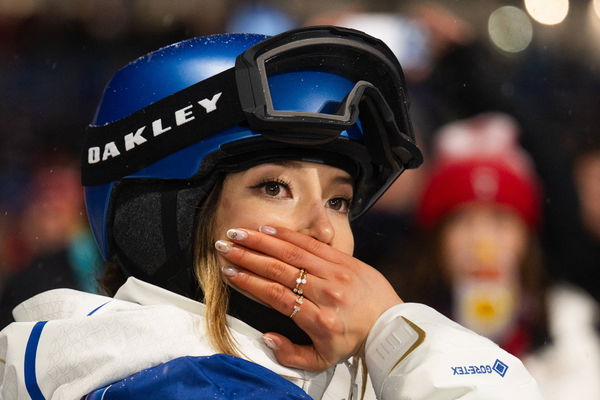
Ilia Malinin Rival Talks About Fair Play Award Winning Moment
Ilia Malinin’s Olympic rival recalls the moment the American congratulated him after defeat, a gesture that later earned the Fair Play Award.
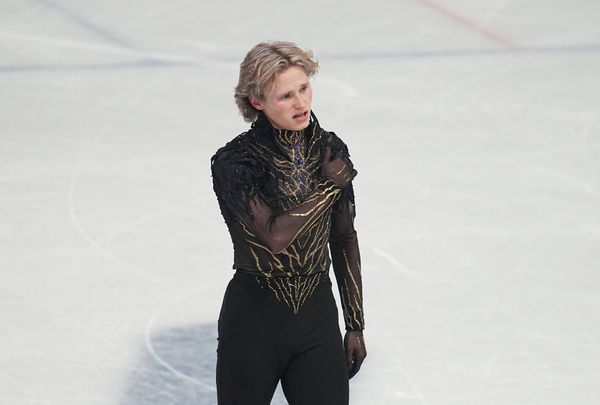
Ilia Malinin Confirms Olympics Redemption With Third World Title Hopes
Ilia Malinin eyes redemption after Olympics as the American star targets a third straight world title at the 2026 World Championships.
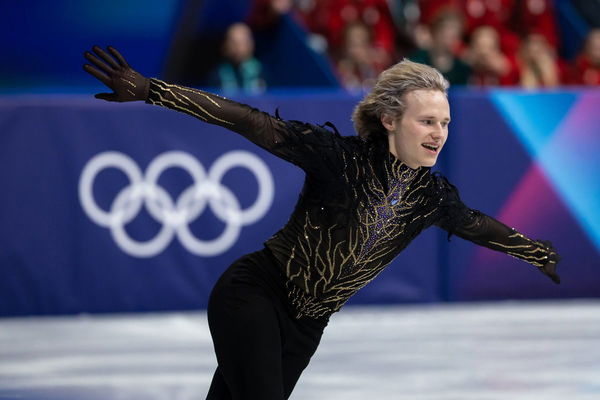
About Winter Olympics
Games in winter? Yes, the experience of playing in the winter is defined by cold air, roaring crowds, and blades cutting ice, which captures the essence of the Winter Olympics. Every four years, the world pauses to watch athletes challenge snow, gravity, and fear. These games are modern, yet their roots stretch deep into early twentieth-century Europe. What began as a modest winter sports week became a lasting international tradition. So, come, let's peek into what, why, and how these games are played and hosted.
How Often Are the Winter Olympics Held and Why?
The answer is very simple: every four years. Yes, they take place every four years, where pace athletes build entire careers around. Originally, the Winter and Summer Games happened during the same year. That sounded efficient, but reality proved otherwise. Athletes struggled with scheduling, cities felt financial pressure, and attention was split. By the 1980s, the strain was impossible to ignore. So the International Olympic Committee made a bold call. They separated the Games, giving winter its own spotlight.
Albertville hosted in 1992, then Lillehammer followed just two years later. That shift reset the calendar permanently. Since then, the Winter Games have arrived during even-numbered years. February became the sweet spot, cold enough for snow reliability. Broadcaster benefited, sponsors leaned in, and fans focused fully. The four-year cycle now feels natural, almost sacred. It gives athletes time to recover, rebuild, and dare again.
How Many Sports and Disciplines Are in the Winter Olympics?
The Winter Olympics didn’t always look like today’s packed schedule. In 1924, the program felt small and practical. Just five sports filled the snowy calendar. Skating, Nordic skiing, ice hockey, curling, and bobsleigh ruled early editions. Over time, the Games listened to athletes and audiences alike. Some sports faded quietly into history. Others returned stronger, reshaped by technology and training.
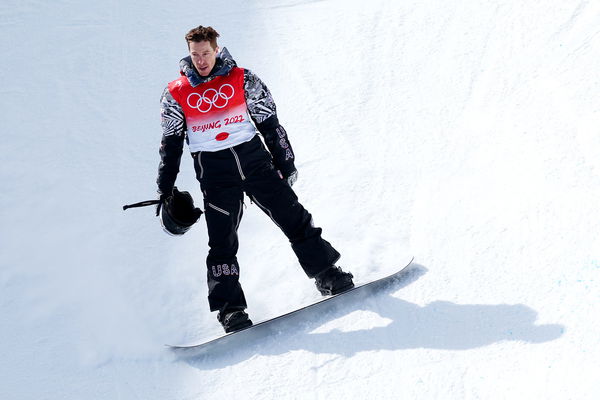
Alpine skiing added speed and danger to the slopes. Freestyle skiing brought personality, flips, and fearless creativity. Snowboarding changed everything, especially for younger viewers. Skeleton returned, terrifying and mesmerizing in equal measure. Short track speed skating introduced chaos, tactics, and heartbreak. Today, more than fifteen sports compete across ice and snow. Each discipline reflects changing cultures and evolving definitions of athleticism. The program keeps growing because winter sports never stand still.
What Are the Qualifications and the Athletes’ Selection Process?
Making the Winter Olympics is never a single breakthrough moment. It’s a long grind filled with early mornings and lonely training sessions. Athletes must first meet rules set by their sport’s International Federation. These organizations control rankings, qualifying events, and performance standards. Nothing is guaranteed, even for champions. National Olympic Committees then step in with strict quotas. Countries can only send a limited number of athletes per event.
That means rivals often wear the same flag. Some qualify through world championships. Others chase points across multiple seasons. One bad race can undo years of preparation. Injuries, form slumps, or missed standards end dreams quickly. Even after qualification, athletes must remain eligible until the opening ceremonies. Behind every Olympic bib number stands years of quiet persistence. Few moments feel heavier than finally earning that selection call.
How Many Cities and Countries Have Hosted the Winter Olympics?
Image hosting a set of games in freezing temperatures. That makes hosting the Winter Olympics prestigious but also very risky. Cities don’t just volunteer; they campaign, negotiate, and promise legacies. Mountains, snow, ice rinks, and transport systems are non-negotiable. That reality limits who can realistically host. So far, only Northern Hemisphere countries have taken on the task. The Games have visited thirteen countries across three continents. The United States leads, hosting more than any other nation. France follows closely, blending Alpine culture with Olympic tradition. Switzerland, Norway, Austria, Italy, Japan, and Canada appear repeatedly. Cold climates and existing resorts make bids more believable.
February remains the preferred window for reliable winter conditions. Southern Hemisphere cities face seasonal and logistical barriers. Modern hosts now emphasize sustainability and shared venues. Future Games aim to leave memories, not empty stadiums. The host city becomes a character in Olympic history forever.
Who Were the Mascots of the Winter Olympics Through the Years?
Mascots started as an afterthought, not a grand marketing idea. In 1968, Grenoble needed something friendly, fast. Shuss appeared overnight, smiling on skis, slightly imperfect, instantly loved. That small character proved the Games needed a human face. Soon, hosts leaned into local culture and shared memory. Innsbruck chose Schneemandl, a snowman wearing a familiar regional hat. Lake Placid let children decide, giving the world Roni the raccoon. Sarajevo softened fear with Vučko, a smiling wolf. Calgary’s polar bears promised warmth where temperatures dropped hard.
Albertville’s Magique abandoned animals, chasing imagination instead. Lillehammer looked backward, honoring medieval siblings Haakon and Kristin. Later mascots reflected deeper storytelling and national identity. Selection became careful, collaborative, and sometimes emotional. Designers, communities, and organizers all weighed in. The aim stayed simple: comfort, recognition, and connection. Mascots work because they feel like someone waiting in the cold with you.
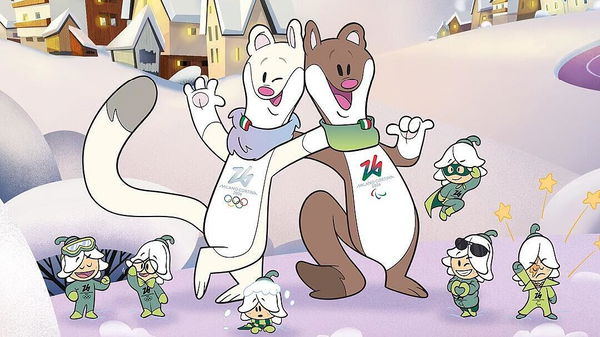
Milano Cortina 2026 mascots are Tina and Milo, lively stoat siblings from Italy's Alps, who embody perseverance, creativity, and Gen Z energy as agile weasels of the Dolomites.
Tina, lighter-furred Paralympics face from Cortina d'Ampezzo, inspires with "Dream big!"—evoking Renaissance genius like da Vinci amid alpine artistry. Milo, a darker-furred Olympic's face from Milan, overcame a missing paw using his tail; his motto, "Obstacles are trampolines!" champions diversity and grit.
What Are the Iconic and Legendary Moments in the Winter Olympics?
Some moments freeze time better than any photograph. Sarajevo, 1984, Valentine’s Day, silence before Boléro begins. Torvill and Dean glide, and the arena stops breathing. Perfect scores follow, but the feeling mattered more. Lake Placid brought chaos, yet Eric Heiden skated quietly into history. Five races, five gold medals, no drama needed. Nagano watched Hermann Maier crash, bodies tensing everywhere. Minutes later, he stood, brushed snow off, and nodded. Days later, he won twice.
Vancouver’s golden goal felt louder than winter itself. Crosby scored, and Canada erupted as one voice. Beijing finally released Lindsey Jacobellis from sixteen years of regret. She crossed the line clean, no tricks, no mistakes. Eve Muirhead cried on the podium, curling stone finally heavy with gold. These moments last because they feel painfully human.
What Are the Controversies and the Challenges in the Winter Olympics?
The Winter Olympics carry beauty, but never without weight. Innsbruck 1964 revealed danger when snow vanished, and risks remained. Young athletes died, leaving grief no medal could soften. Lake Placid tried efficiency and ended up housing athletes like inmates. Some called it practical; others called it dehumanizing. Figure skating’s 1994 scandal blurred sport into spectacle and shame. Sochi arrived promising pride, left surrounded by political questions. Human rights concerns followed athletes onto the ice. Later, d****g revelations cracked faith in fair competition.
Medals were stripped, trust harder to recover. Climate change now threatens the Games themselves. Snow must be manufactured where winters grow unreliable. Judging disputes still haunts subjective events. Politics, protest, and pressure remain constant companions. The Olympics endure, but innocence faded long ago.
In conclusion, the Winter Olympics aren’t perfect, and never really were. They’re built from ambition, mistakes, courage, and compromise. Mascots offer warmth, moments offer meaning, and controversies demand honesty. Athletes show up carrying years nobody sees. Hosts gamble on memory, sometimes winning, sometimes regretting. Still, the Games matter because people care deeply. They reveal how humans respond under cold, pressure, and expectation. They remind the world that effort doesn’t promise victory. But it does promise truth. And truth, on ice, is hard to forget.